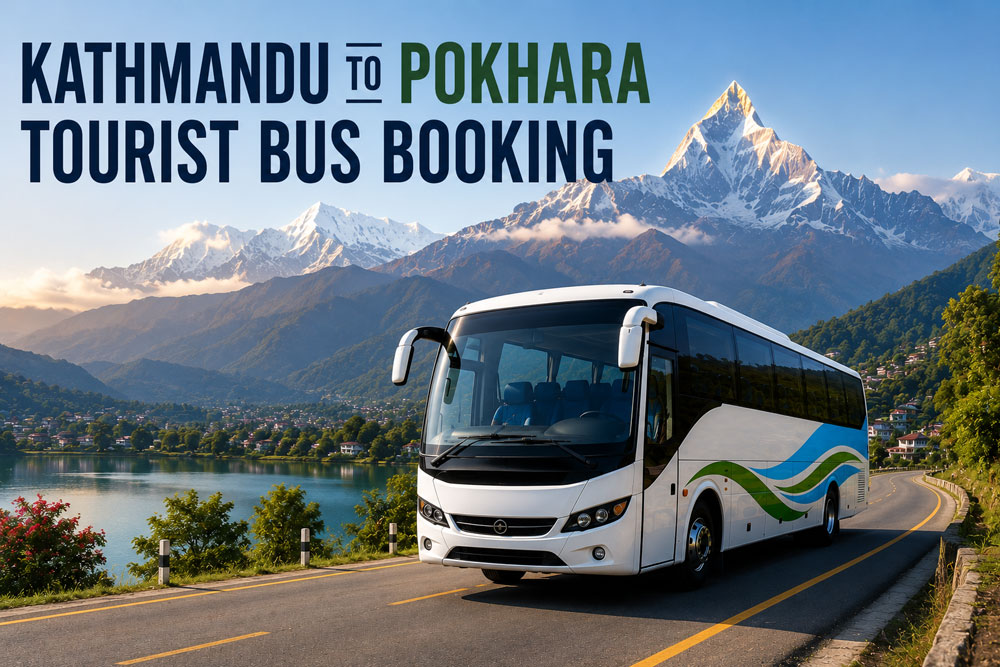
Few overland journeys in Nepal feel as iconic as the ride between its two most visited cities. The Kathmandu to Pokhara tourist bus route carries thousands of travelers every week, connecting the bustling capital with the laid-back lakeside charm of Pokhara. For trekkers heading toward the Annapurna region, for families on a relaxed holiday, and for backpackers counting every rupee, this bus journey is often the first real taste of Nepal’s countryside.
Unlike a quick domestic flight, the tourist bus turns transportation into part of the experience. Terraced hillsides, the Trishuli River, roadside tea stalls, and glimpses of snow-capped peaks unfold along the Prithvi Highway. Whether you’re a first-time visitor or a seasoned Himalayan traveler, understanding ticket prices, departure times, bus categories, and what to expect on board will help you plan a smoother trip.
This guide breaks down everything you need before booking, from cost comparisons between deluxe and VIP buses to practical tips on avoiding common scams. By the end, you’ll know exactly which bus suits your budget, schedule, and comfort expectations.
Traveling overland gives visitors a genuine sense of Nepal beyond the airport terminals. The Kathmandu to Pokhara tourist bus route remains the most popular choice for budget-conscious and adventure-minded travelers alike. It’s affordable, scenic, and surprisingly efficient when you choose the right operator.
For trekkers, this bus ride often marks the beginning or end of an Annapurna adventure. Pokhara serves as the gateway to treks like the Annapurna Base Camp, Poon Hill, and Mardi Himal trails. Arriving by bus also gives your body time to acclimatize gradually to changes in altitude and climate, unlike the abrupt shift of a 25-minute flight.
Families appreciate the predictability of fixed departure schedules, while solo travelers often find the social atmosphere on tourist buses a great way to meet fellow adventurers. Furthermore, choosing a bus over a flight significantly reduces your travel cost, leaving more budget for accommodation, food, or guided treks once you arrive.
Many travelers also combine this journey with a stop at Nepal tour packages that include Pokhara sightseeing, making the bus ride a seamless part of a larger itinerary rather than a standalone errand.
The road distance between Kathmandu and Pokhara is approximately 200 kilometers (124 miles), following the Prithvi Highway through river valleys and hillside terrain. This highway was Nepal’s first major road link connecting the two cities and remains the primary overland route today.
Travel time varies depending on traffic, road conditions, and ongoing construction projects. The average travel time ranges between 6 to 8 hours under normal conditions. However, due to ongoing road works causing traffic jams entering and exiting Kathmandu, the journey can sometimes take up to 10-12 hours in 2026.
Several operators advertise faster timings for their premium services. Some comfortable sofa-seated tourist buses complete the route in approximately 7 hours. Regardless of the bus category you choose, it’s wise to budget extra time, especially during monsoon season or major festivals when road traffic increases significantly.
Most schedules build in stops for rest and refreshments, including lunch breaks at restaurants in towns like Mugling, Kurintar, or Malekhu. These stops add roughly 30-45 minutes to the overall journey but offer welcome breaks for stretching and meals.
Pricing on this route depends heavily on bus category, seating configuration, and whether you’re booking as a domestic or international traveler. Below is a practical breakdown to help you compare options realistically.
Entry-level tourist buses remain the most economical choice. Ticket prices for standard tourist buses start from approximately NPR 700 and can go above NPR 2,000 depending on the operator and seasonal demand. These buses typically use older 32-seater vehicles with padded seating and basic air conditioning.
Deluxe buses offer improved seating comfort and slightly better amenities. Deluxe bus fares generally range between $12 to $15 per person, making them a popular middle-ground choice for travelers who want a step up without paying premium rates.
For travelers seeking extra legroom and a smoother ride, Super Deluxe buses cost around $15 to $20 per person and often include onboard restrooms. VIP tourist buses sit at the top end of the comfort scale, with overall route prices ranging between $15 to $25 depending on the company.
International visitors should note that VIP and Super VIP deluxe fares for foreign tourists are typically priced around USD 25 to USD 27, slightly higher than rates quoted to domestic passengers.
Night buses with reclining sofa-style seats cater to travelers who prefer sleeping through the journey. These overnight services generally charge between NPR 1,600 and NPR 2,500, with night sofa bus tickets for international travelers often starting around $20 per person. Night buses typically depart around 8 PM and arrive at their destination by around 4 AM.
A newer category gaining popularity is the premium 2×1 sofa seat configuration. Some operators offer premium 2×1 sofa seat tourist buses priced around NPR 1,300, with seating capacity reduced to roughly 28 comfortable seats instead of the standard 32, giving each passenger noticeably more space.
| Bus Category | Approximate Price (Per Person) |
|---|---|
| Standard Tourist Bus | NPR 700 – NPR 2,000 |
| Deluxe Bus | USD 12 – USD 15 |
| Super Deluxe Bus | USD 15 – USD 20 |
| VIP Tourist Bus | USD 15 – USD 27 |
| Night Sofa Bus | NPR 1,600 – NPR 2,500 (USD 20+) |
| Premium 2×1 Sofa Bus | Around NPR 1,300 |
Prices fluctuate based on season, fuel costs, and individual operator policies. Always confirm the current rate when booking, since rates can change without prior notice during peak trekking seasons.
Understanding the different bus categories helps you match your budget with your comfort expectations. Each type offers a distinct experience, and choosing wisely can make a real difference over a 7-8 hour journey.
These are typically second-hand 32-seater vehicles imported from India, featuring padded seats and sometimes functional air conditioning during summer months. They’re reliable, widely available, and the cheapest option for travelers prioritizing cost over plush seating.
Deluxe buses generally offer wider seats, better suspension, and improved legroom compared to standard models. Super Deluxe variants often add onboard toilets, charging ports, and sometimes Wi-Fi, though connectivity can be unreliable along mountainous stretches.
VIP buses represent the highest comfort tier on this route. They typically feature reclining seats, larger windows for scenic views, individual entertainment screens on some services, and dedicated staff for snacks and water distribution.
Newer buses use a different seat layout with two seats on one side and a single seat on the other, mimicking a sofa-style arrangement. This configuration reduces overall passenger count but significantly increases personal space, making it ideal for travelers who want to relax or doze off during the ride.
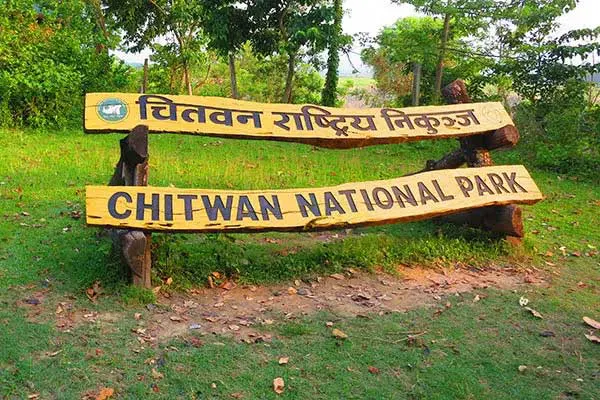
For travelers planning longer overland routes, similar comfort categories apply on connections toward Chitwan National Park and other popular destinations beyond Pokhara.
Knowing exactly where and when to board can save you considerable confusion, especially on your first morning in Kathmandu.
The primary tourist bus station is located at Nayabazar, approximately 900 meters from Thamel, the main tourist hub. This area, known as Sorhakhutte, is roughly a 12-15 minute walk from central Thamel. Historically, buses departed from Kantipath Bus Stop until 2018, but all tourist buses now operate from Sorhakhutte.
Most tourist buses depart at 7:00 AM every day from the Sorhakhutte tourist bus park. This early start allows passengers to enjoy daylight views throughout the journey and arrive in Pokhara during the afternoon, leaving time to settle into accommodation before evening.
A limited number of operators run evening services departing around 7:00 PM, typically from near Balaju Bhatbhateni Supermarket at Balaju Chowk. These evening buses cater to travelers who prefer overnight travel, arriving in Pokhara during the early morning hours.
Passengers are generally advised to arrive at the bus park about 60 minutes before departure. This buffer allows time for luggage loading, seat confirmation, and resolving any last-minute ticketing issues before the bus leaves.
Booking has become significantly easier in recent years, with multiple channels now available to international and domestic travelers alike.
Travel agents and hotels remain among the best places to purchase tickets, as they often receive discounted rates from bus operators acting as ticket agents. This method also provides an added layer of trust, since reputable agencies typically only partner with reliable bus companies.
Several online platforms now allow travelers to book seats remotely before arriving in Nepal. Booking processes typically involve visiting the platform, searching for the Kathmandu to Pokhara route, selecting a travel date, comparing available buses by departure time and price, choosing a seat from the layout, and completing payment. Payment methods commonly include eSewa, Khalti, IME Pay, mobile banking, and Visa or Mastercard.
Many bus companies also accept direct reservations via phone, email, or messaging apps like WhatsApp and Viber. This can be particularly useful for premium or VIP services where seat availability is limited and demand runs high during peak trekking months.
Booking early is recommended during busy seasons, particularly around October-November and March-April when trekking traffic peaks. Last-minute bookings are sometimes possible for standard buses but rarely guarantee preferred seating positions.
Comfort levels vary considerably depending on the bus category, but certain expectations apply across most tourist services on this route.
Standard buses provide basic padded seating, while deluxe and VIP categories offer reclining options with greater legroom. Sofa-style buses, with their 2×1 layout, give passengers noticeably more shoulder room and reduce the cramped feeling common on fully-loaded 32-seaters.
Higher-tier buses often include charging ports, bottled water service, and sometimes blankets for early morning departures. Restroom facilities are typically only available on Super Deluxe and VIP categories, so passengers on standard buses should plan around scheduled rest stops.
Most buses make several stops for rest and refreshments, including lunch breaks at restaurants in towns such as Mugling, Kurintar, or Malekhu. These stops offer local food options, clean restrooms, and small shops selling snacks and water.
The journey passes through river valleys and hillside landscapes along the Prithvi Highway, with passengers able to enjoy views of green valleys, rivers, hills, villages, and occasionally distant mountain peaks on clear days. Window seats on the right-hand side (heading toward Pokhara) often offer the best mountain glimpses during morning departures.
For travelers wanting guided cultural stops along this corridor, exploring cultural tour packages in Nepal before booking can help integrate sightseeing into the overland journey itself.
Timing your journey thoughtfully can dramatically affect both comfort and visual experience.
Morning departures around 7 AM remain the most popular choice, primarily because they allow passengers to view the scenery during daylight hours. Arriving in Pokhara by mid-afternoon also gives travelers time to enjoy lakeside views before sunset, often considered one of the best moments to experience Phewa Lake.
Night buses suit travelers prioritizing efficiency over scenery, effectively turning travel time into sleep time and freeing up a full day for activities upon arrival.
October through November and March through April offer the clearest skies and most comfortable temperatures for this route. Monsoon months, roughly June through September, bring higher risks of landslides and road delays, which can extend journey times considerably.
Winter travel, December through February, is generally smooth on lower elevations but may involve cooler mornings, so packing a light jacket is worthwhile even for a daytime bus ride.
Choosing the right mode of transport depends on your priorities: budget, time, comfort, or experience.
The most economical option, tourist buses offer a genuinely scenic journey at a fraction of the flight cost. The trade-off is travel time, typically 6-8 hours under normal conditions, occasionally longer due to road conditions.
Flights between Kathmandu and Pokhara take approximately 25 minutes, making them ideal for travelers with limited time or those wanting to avoid long road journeys altogether. However, flight prices are substantially higher, and flights are sometimes subject to weather-related delays or cancellations.
Private vehicles offer flexibility, allowing stops at viewpoints or attractions along the way. This option costs more than a shared tourist bus but less than chartering a flight, and suits families or small groups wanting a customized pace.
Budget travelers and backpackers generally favor the tourist bus. Time-constrained visitors or those connecting onward flights often choose air travel. Groups wanting flexibility and privacy frequently opt for private vehicles, particularly when combined with multi-day Nepal tour itineraries.
While the tourist bus route is generally safe, a few precautions help avoid common pitfalls experienced by first-time travelers.
Avoid purchasing tickets from the main bus ticket offices directly, as they are often located far from tourist areas and may charge inflated prices. Booking through established travel agencies or hotels generally results in fairer pricing.
Some operators have been known to oversell seats or assign different seats than originally booked. To avoid disappointment, confirm your exact seat number at booking and arrive early enough to verify your assigned spot before boarding.
Before booking, especially for night buses, research the operator’s reputation through reviews or recommendations from your accommodation. Reputable companies maintain better-maintained vehicles and more reliable schedules.
As with any public transport, keep your passport, cash, and electronics in a daypack you carry with you rather than in checked luggage stored beneath the bus. Pickpocketing incidents are rare but not unheard of during crowded boarding moments.
The Prithvi Highway has been undergoing major upgrades between 2024 and 2026, occasionally causing unexpected delays. Checking with your operator on the morning of departure can help you anticipate any disruptions before setting off.
A little preparation goes a long way toward making this journey enjoyable rather than exhausting.