1 night 2 days Nepal tour is the perfect introduction to one of Asia’s most culturally rich destinations. This short but carefully curated itinerary focuses on Kathmandu, Nepal’s vibrant capital city, which sits at 1,350 metres above sea level. Within just 48 hours, travelers explore UNESCO World Heritage Sites, ancient Hindu and Buddhist temples, traditional bazaars, and historic royal squares.
This tour suits first-time visitors, weekend travelers from India, transit tourists, and anyone short on time but eager to experience Nepal’s essence. The itinerary balances cultural depth, comfortable logistics, and genuine local immersion. Whether you arrive from Delhi, Mumbai, Kolkata, or Bangkok, this package delivers a meaningful Nepal experience without rushing you through the highlights.
Nepal holds an incredible density of historical, spiritual, and natural attractions. Kathmandu alone contains seven UNESCO World Heritage Sites within a single valley. A 1 night 2 days Nepal tour allows travelers to experience this richness without committing to a multi-week journey.
This package is especially designed for travelers who value efficiency without sacrificing experience. You will cover the most iconic landmarks in Kathmandu, walk through living heritage sites, interact with local communities, and return home with a genuine sense of Nepal’s culture and character.
Beyond logistics, this tour builds genuine cultural awareness. Your guide does not simply list facts about temples. Instead, they explain living traditions, active rituals, and the social significance of each site. That human layer is what makes this 2-day Nepal itinerary memorable.
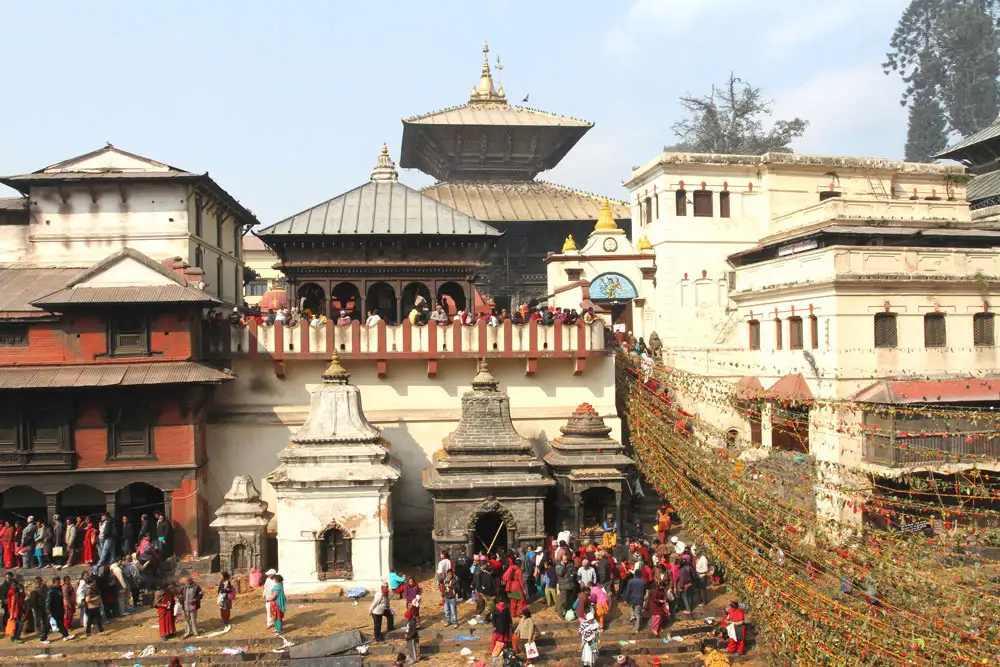
Pashupatinath Temple is one of the holiest Hindu shrines in South Asia, dedicated to Lord Shiva in his manifestation as Pashupati, the Lord of Animals. Located on the banks of the sacred Bagmati River, it serves as both a active temple complex and a pilgrimage destination for millions of Hindus annually. Non-Hindus cannot enter the inner sanctum but can observe the rituals from across the river.
The temple complex contains over 518 individual shrines, ghats used for cremation ceremonies, monasteries, and sacred bathing areas. The spiritual atmosphere here is unlike anywhere else in Nepal. Sadhus draped in ochre robes meditate along the ghats, devotees offer marigold garlands, and the smell of incense fills the air. A visit here provides deep insight into the Hindu relationship with death, devotion, and the sacred river.
Boudhanath Stupa ranks among the largest stupas in the world and serves as the spiritual heart of Tibetan Buddhism in Nepal. The stupa’s base forms a mandala shape when viewed from above, and the surrounding area is home to over 50 Tibetan monasteries (gompas). The famous painted eyes of the Buddha watch over the valley from all four compass directions.
The circular kora (circumambulation path) around the stupa is always active with monks, nuns, and devotees spinning prayer wheels and chanting mantras. The evening atmosphere, when butter lamps are lit and monks perform prayers, is particularly atmospheric. Several excellent Tibetan and Nepali restaurants encircle the stupa, making this a great area to experience Himalayan cuisine.
Swayambhunath, the self-arising stupa, is one of the oldest religious monuments in Nepal, estimated to be over 2,500 years old. Perched on a forested hillock in western Kathmandu, it serves both Hindu and Buddhist communities and exemplifies Nepal’s long tradition of religious syncretism. The site is named for the rhesus monkeys that inhabit the hill and are considered sacred.
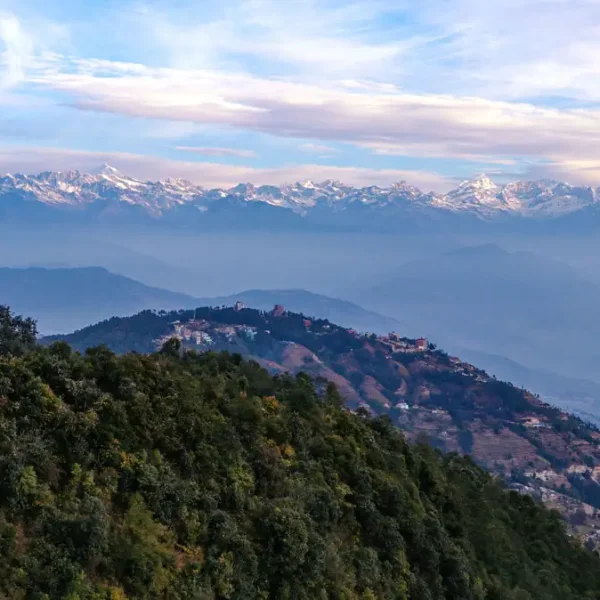
The climb to the top rewards visitors with sweeping views across the Kathmandu Valley, particularly beautiful in early morning when mist hangs in the lower valleys. The stupa complex includes smaller shrines, a Vajrayana Buddhist monastery, the Shantipur temple, and dozens of votive objects. On clear days, Himalayan peaks are visible on the northern horizon.
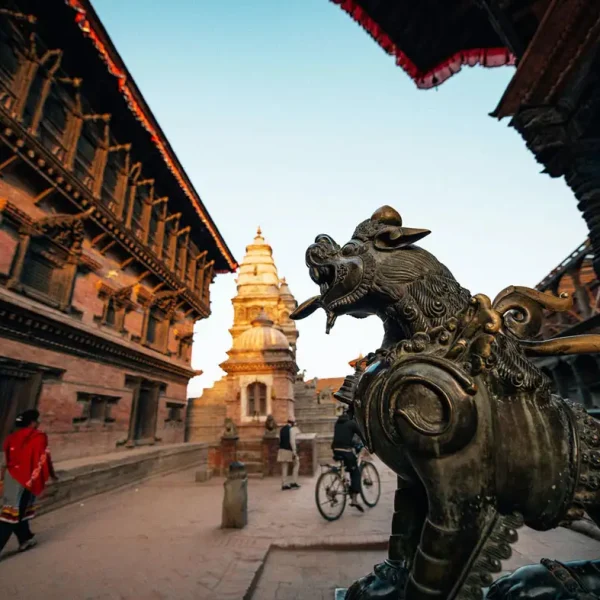
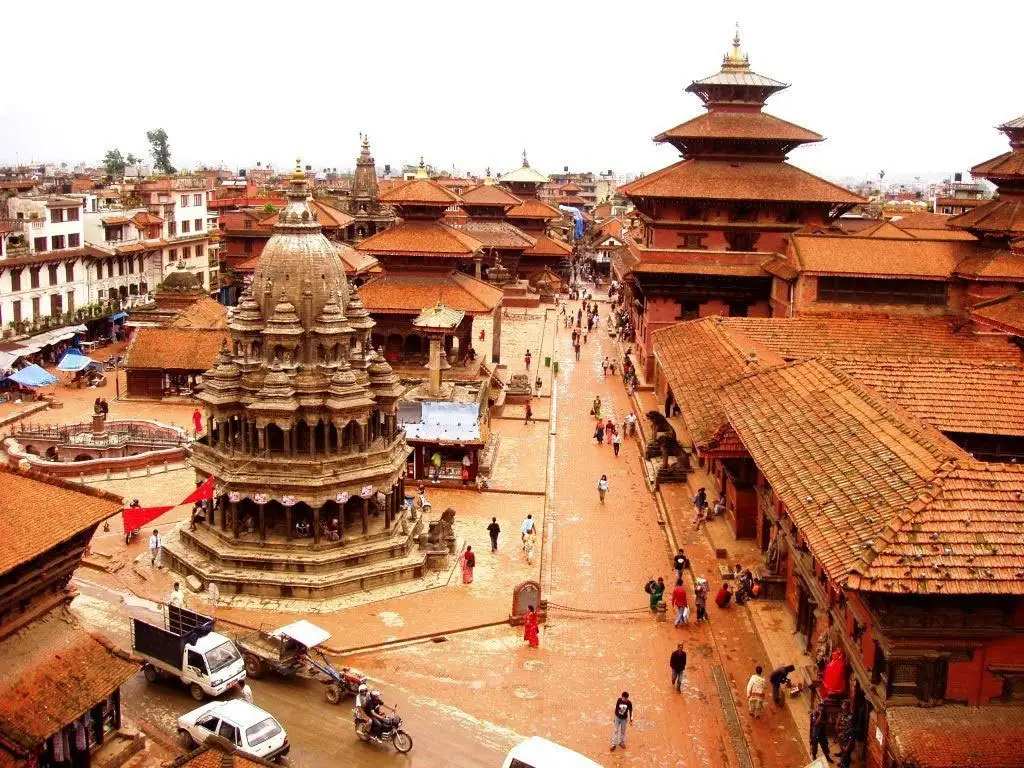
Patan, also called Lalitpur (City of Beauty), is the second-largest city in the Kathmandu Valley and arguably the most artistically rich. Patan Durbar Square served as the royal court of the Malla kings from the 12th to 18th centuries and contains an extraordinary density of temples, palaces, and courtyards built in the distinctive Newari architectural style.
The Patan Museum, housed within the restored royal palace, is widely regarded as South Asia’s finest museum of religious art. Its collections of bronze statues, stone sculptures, woodcarvings, and gilt metalwork represent the height of Newari artistic achievement. The museum’s gardens, courtyard fountains, and architectural detailing alone justify the entrance fee.
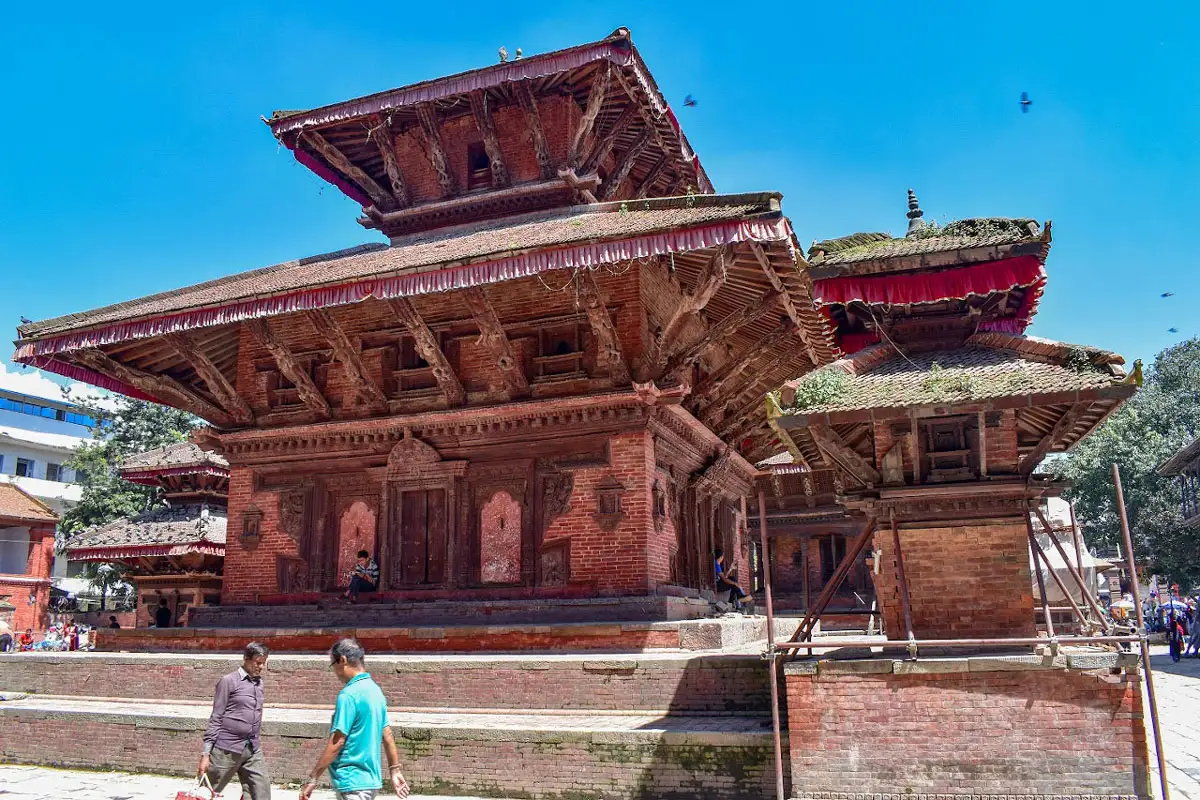
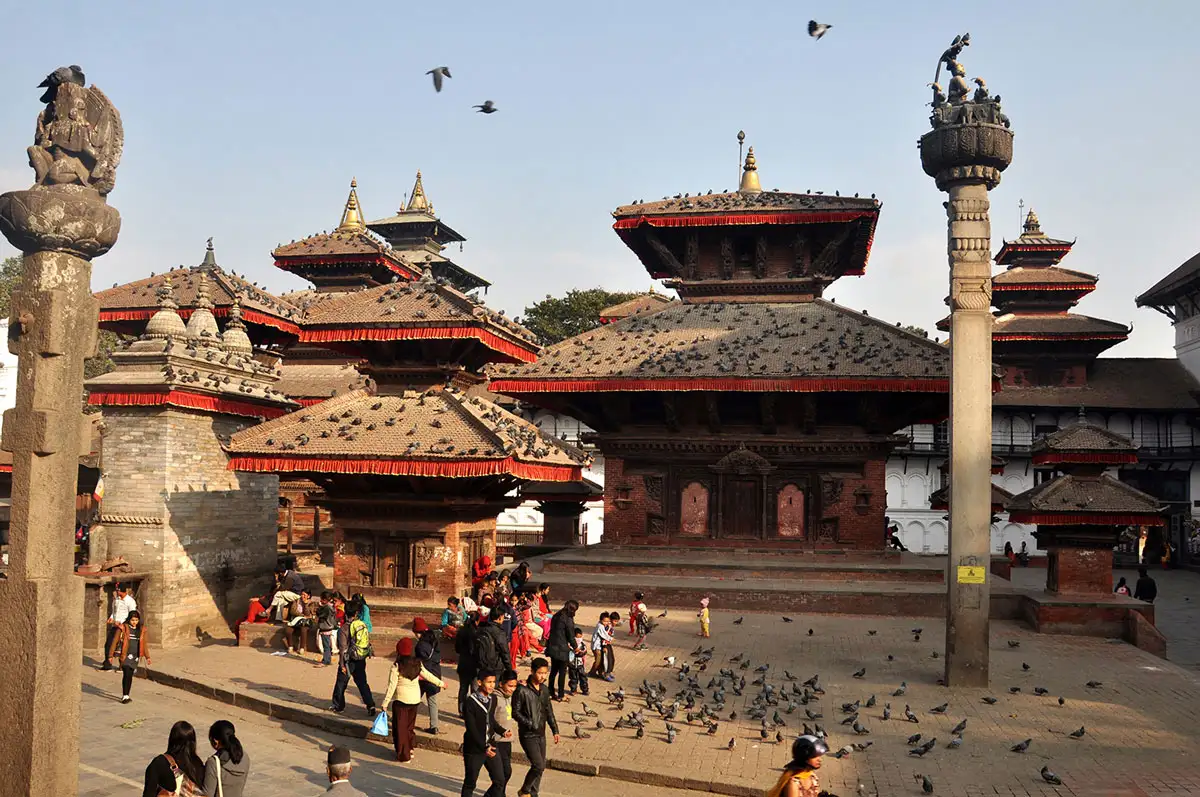
Kathmandu Durbar Square (Hanuman Dhoka) was the seat of the ancient Kathmandu kingdom and remains one of Nepal’s most historically layered sites. The complex includes the old royal Hanuman Dhoka palace, the Kumari Ghar (residence of the living goddess), Taleju Temple, Kasthamandap (one of Nepal’s oldest buildings), and numerous other temples and plazas.
The square suffered significant damage in the 2015 earthquake but restoration work continues actively. Several structures have been fully repaired, and the site remains rich in cultural energy. Local festivals including Indra Jatra, Bisket Jatra, and Kumari chariot processions all take place here, making the square the ceremonial heart of Kathmandu city.
Thamel is Kathmandu’s most famous tourist neighborhood, a labyrinthine quarter of narrow streets packed with hotels, restaurants, shops, and rooftop cafes. Though commercialized, Thamel retains genuine character and offers excellent shopping for quality pashmina shawls, handmade paper products, thangka paintings, singing bowls, Tibetan jewelry, and trekking equipment.
For dining, Thamel’s restaurants range from authentic Newari local eateries to excellent international options including Italian, Japanese, Israeli, and Indian cuisines. The area is most atmospheric in the evening when street vendors operate and the neighborhood buzzes with travelers from around the world.
Begins with your arrival at Tribhuvan International Airport (KTM). A private vehicle transfers you directly to your hotel. After check-in and a short rest, the afternoon exploration begins with Pashupatinath Temple, one of the holiest Hindu shrines in the world. Situated along the Bagmati River, this site is an active pilgrimage center with cremation ghats, wandering sadhus, and deeply spiritual energy.
From Pashupatinath, the tour continues to Boudhanath Stupa, the largest stupa in Nepal and one of the largest Buddhist monuments on earth. Circumambulate the stupa as Tibetan monks and devotees perform their evening prayers. The peaceful, meditative atmosphere here contrasts beautifully with the spiritual intensity of Pashupatinath.
Your first evening in Kathmandu ends with a stroll through Thamel, the city’s most vibrant neighborhood. Explore its narrow lanes filled with handicraft shops, thangka galleries, bookshops, and restaurants serving everything from authentic dal bhat to Himalayan cuisine.
Day 2 is action-packed but never rushed. Start early with breakfast at the hotel, then proceed to Swayambhunath Stupa, popularly known as the Monkey Temple. Perched atop a hill west of Kathmandu, this site offers sweeping panoramic views of the city and the surrounding Himalayan foothills. Climbing the 365 stone steps to the summit is part of the experience.
Mid-morning takes you across the Bagmati River to Patan (Lalitpur), one of the three ancient Kathmandu Valley kingdoms. Patan Durbar Square contains an extraordinary concentration of Newari temples, courtyards, and the excellent Patan Museum, which houses some of Nepal’s finest religious art and metalwork. This is one of the most photogenic and culturally dense areas in the entire valley.
After lunch, visit Kathmandu Durbar Square, the historic heart of the old city. This UNESCO site contains Hanuman Dhoka palace, the living goddess Kumari’s residence, and dozens of ancient temples from the Malla and Shah royal eras. Your guide explains the complex layering of history here, making sense of what would otherwise feel overwhelming.
Late afternoon allows time for last-minute shopping in Thamel or New Road before your private vehicle transfers you to the airport for departure.
Kathmandu is a year-round destination, but certain seasons offer significantly better conditions for sightseeing and photography. The following table summarizes each season to help you plan effectively.
Season | Months | Weather | Suitability | Travel Experience |
Autumn | Oct–Dec | Clear, cool, dry | Excellent ★★★★★ | Best visibility, ideal temperatures 10–25°C, festivals including Dashain & Tihar |
Spring | Mar–May | Warm, mostly clear | Excellent ★★★★★ | Warm days 15–28°C, rhododendrons bloom, pre-monsoon clarity, busy season |
Winter | Dec–Feb | Cold, very clear | Good ★★★★ | Cold nights (0–5°C), fewest crowds, best air quality, dramatic mountain views |
Monsoon | Jun–Sep | Rainy, humid | Moderate ★★★ | Heavy rainfall, lush green valley, lower prices, some site closures possible |
For a 1 night 2 days Nepal tour, October through December is the absolute prime window. The air is clear, temperatures are pleasant during the day, and the atmosphere at heritage sites feels particularly vibrant during Nepal’s biggest festival season.
All airport pickups and drop-offs use a private vehicle — typically a Toyota Hiace van for groups or a Toyota Corolla/Yeti for smaller parties. The drive from Tribhuvan International Airport to most Thamel hotels takes 20–40 minutes, depending on traffic. Kathmandu traffic can be heavy during peak hours (8–10 AM and 5–8 PM), so factor this into flight timing.
All sightseeing on both days is conducted in the same private vehicle. This means no waiting for shared transport, no detours, and the flexibility to adjust the pace of your tour. The vehicle comes with a professional driver separate from your guide.
Several heritage sites require short walks. Swayambhunath involves climbing 365 steps to the hilltop stupa — this takes about 10–15 minutes and is manageable for all fitness levels. Patan Durbar Square and Kathmandu Durbar Square both require walking through temple courtyards and narrow lanes. Comfortable footwear is essential.
Kathmandu’s roads are generally well-maintained in major tourist corridors, though some inner lanes near old bazaars and heritage areas can be narrow and uneven. Certain roads experience congestion during peak hours. Your driver will know the best routes to avoid delays.
Nepal Tour Package offers four accommodation tiers for this 1 night 2 days tour. All hotels are located in or near Thamel, Lazimpat, or Jhamsikhel for easy access to sightseeing areas.
Tier | Example Properties | What to Expect |
Budget | Guest house or Budget hotel | Clean twin/double rooms, shared or private bath, Wi-Fi, hot shower, basic breakfast available |
| Standard | 3 star hotel | Private ensuite, air conditioning, room service, restaurant, 24-hr reception, daily housekeeping |
Deluxe | 4 star hotel | Superior rooms, quality furnishings, multiple dining options, gym, business facilities, concierge |
Luxury | 5 star Hotel | 5-star rooms, mountain views, pool, spa, fine dining, butler service, premium linens |
All properties are vetted by Nepal Tour Package for cleanliness, safety, and value. Budget and standard options in Thamel deliver excellent value given their central location, and most properties are walking distance from restaurants, shops, and nightlife.
Meals are not included in this package, which gives you complete freedom to explore Kathmandu’s diverse food scene at your own pace and budget. Your guide will recommend the best options near each sightseeing location.
Thamel offers the widest variety for dinner, with excellent options for every budget. Near Boudhanath, several Tibetan-run restaurants serve authentic Himalayan food. Patan has some of the best traditional Newari restaurants, many located in restored heritage courtyard buildings.
Vegetarian and vegan food is readily available throughout Kathmandu. Hindu and Buddhist culinary traditions have kept vegetarian cooking central to Nepali food culture for centuries. Halal options are available in certain areas, and gluten-free dining is increasingly common in tourist areas.
Nepal uses the Nepalese Rupee (NPR). As of 2024, 1 USD equals approximately NPR 133. ATMs are widely available in Thamel and major tourist areas. Most hotels, restaurants, and larger shops accept Visa and Mastercard. Small vendors and street markets operate on cash only.
Nepal Telecom and Ncell both offer tourist SIM cards available at the airport. A tourist data SIM with 10–15 GB typically costs NPR 500–800 and is highly recommended. Free Wi-Fi is standard in most hotels and many restaurants.
Kathmandu’s atmospheric temple districts, rooftop restaurants, and intimate boutique hotels create a genuinely romantic setting. Boudhanath at sunset and candlelit Newari courtyards in Patan are particularly evocative. Couples with limited holiday time who want a meaningful international experience will find this package ideal.
Solo travelers benefit most from a private guided tour that removes all logistical friction. Your guide handles navigation, explains context, and keeps the experience focused. Solo female travelers should note that Kathmandu is generally considered safe and respectful, particularly within tourist areas and heritage zones.
The Monkey Temple (Swayambhunath) delights children with its resident monkey population. Boudhanath’s open plaza and colorful prayer wheels captivate younger visitors, and Patan Museum has English-language displays accessible to older children. The pace of this tour is gentle enough for families with children aged 8 and above.
Indian nationals do not require a visa to enter Nepal and can use Indian rupees in most tourist areas. This makes Nepal a particularly accessible international destination for Indian travelers. The 1 night 2 days Nepal tour package from India is a popular long-weekend option for travelers from Delhi, Mumbai, Kolkata, Bengaluru, and other major cities.
The tour is fully accessible to seniors in good health. The only physical demand is the climb at Swayambhunath, which can be skipped using a vehicle road that leads closer to the hilltop. All other sites are accessible by vehicle with short, gentle walks. Your guide adapts the pace to your comfort level.
Kathmandu is one of the most photogenic cities in Asia. The visual layering of medieval architecture, religious iconography, street life, and mountain light creates extraordinary opportunities at every site. Culture seekers will find every hour of this itinerary densely packed with living history, ritual practice, and artisan craft traditions.
Many international travelers pass through Kathmandu en route to trekking regions or Bhutan. This package maximizes a 48-hour layover into a meaningful cultural experience. The tour can be tailored to fit tight departure windows.
There may be occasions when you find yourself needing to cancel your trip due to an emergency or other unforeseen circumstances. In such cases,

1-3 Person

4-6 Person

3-5 Person

7-12 Person

13-18 Person

19-30 Person

“Fantastic 1-night, 2-day tour in Nepal! Packed with cultural sites, stunning views, and delicious food. Guides were knowledgeable, and locals were welcoming. Highly recommend for a quick but memorable Nepal experience!”
“Fantastic 1-night, 2-day tour in Nepal! Packed with cultural sites, breathtaking views, and delicious cuisine. Warm hospitality and well-organized itinerary. Highly recommended for a quick but unforgettable experience.”