The 10 days Nepal tour is one of the most well-rounded ways to experience this remarkable Himalayan country. Over nine nights, you journey through four distinct regions — the ancient Kathmandu Valley, the lakeside paradise of Pokhara, the spiritual heartland of Lumbini, and the wildlife-rich lowlands of Chitwan. Moreover, the tour weaves together history, culture, spirituality, and adventure into one seamless Nepal itinerary. Consequently, it works equally well for first-time visitors and seasoned travelers who want depth, not just highlights.
This Nepal tour package for 10 days suits families, couples, solo explorers, and cultural enthusiasts alike. Furthermore, the pace is balanced — not rushed and not too relaxed. Each destination receives enough time to explore meaningfully. The 10 days Nepal tour covers UNESCO World Heritage Sites, living Hindu and Buddhist traditions, stunning Himalayan viewpoints, and authentic wildlife experiences. As a result, travelers return home with a genuinely complete picture of Nepal, from its mountain skylines to its sacred plains.
This Nepal itinerary 10 days is thoughtfully designed to cover the country’s four major travel pillars. You visit heritage temples in Kathmandu, mountain viewpoints at Nagarkot, tranquil lakeside towns in Pokhara, the sacred birthplace of Buddha in Lumbini, and Nepal’s premier jungle destination in Chitwan. Therefore, no important region is left out. Furthermore, the tour avoids wasteful back-and-forth routing, keeping travel efficient and comfortable.
This 10 days Nepal tour is ideal for:
All destinations on this route are accessible by road. Additionally, accommodations are available across budget, standard, and deluxe tiers. The itinerary is flexible — it can be upgraded to include domestic flights or private vehicle options. With experienced local guides and reliable transport, this package delivers genuine value for the investment.
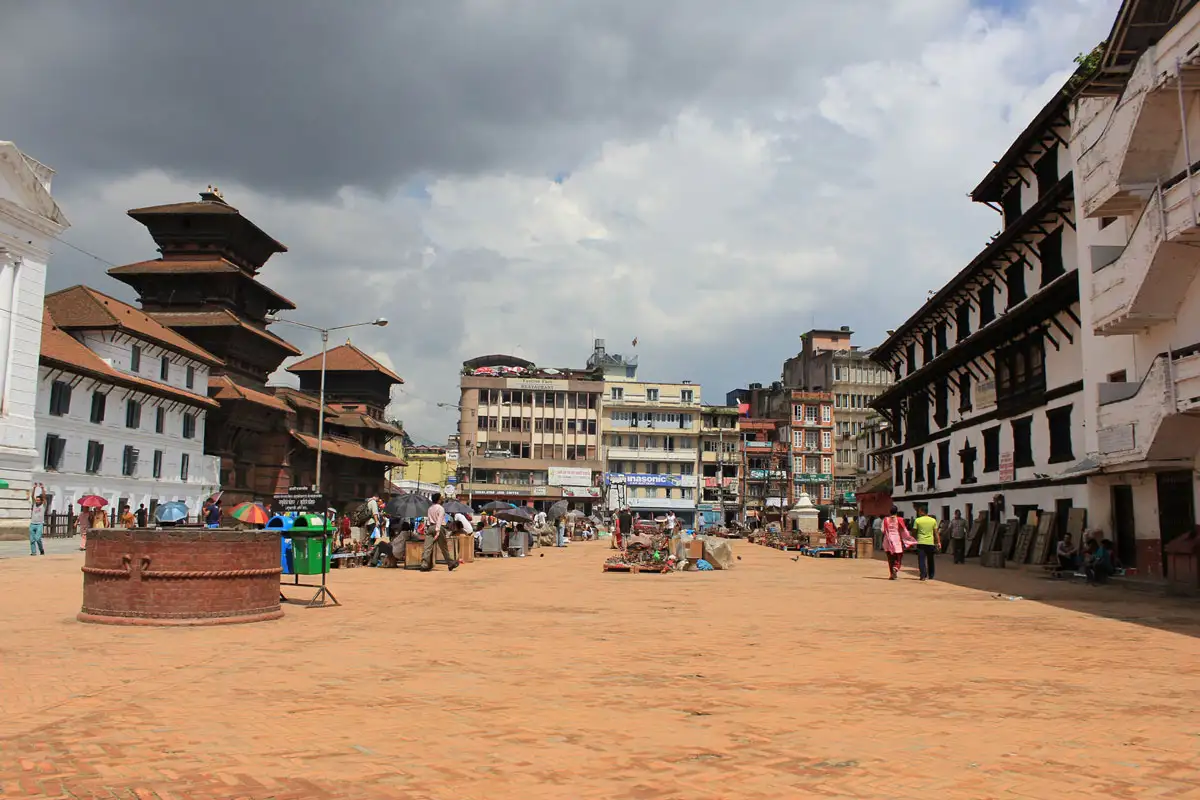
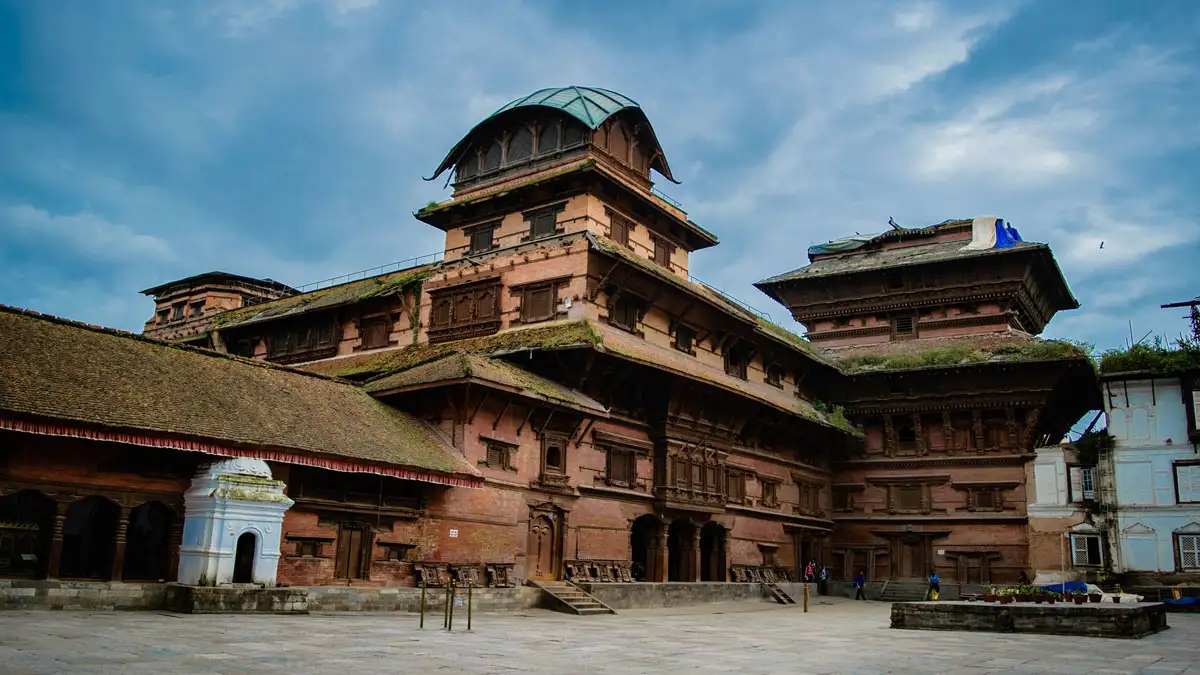
Kathmandu is Nepal’s cultural, historical, and commercial heart. The Kathmandu Valley contains seven UNESCO World Heritage Sites within a compact area. Moreover, the city blends ancient Newari architecture with vibrant street life. On this 10 days Nepal tour, you spend three nights in Kathmandu — enough time to explore its major monuments without rushing.
Key Attractions:
Kathmandu also offers excellent shopping for Pashmina, Thanka paintings, spices, and handcrafted souvenirs. Furthermore, the city’s restaurant scene caters to all tastes, from traditional dal bhat to international cuisine.
Bhaktapur is the best-preserved medieval town in the Kathmandu Valley. Indeed, it feels like stepping back five centuries in time. The city was once the capital of the Malla Kingdom and remains a living heritage town today. On Day 3, you explore its iconic 55-Window Palace, Nyatapola Temple, and the charming pottery squares.
Why Bhaktapur Stands Out:
Nagarkot sits at 2,175 metres and offers arguably the finest panoramic Himalayan views near Kathmandu. As a result, it has been a popular hill resort for decades. From the viewpoint, you can see up to eight Himalayan ranges on clear days, including Langtang, Ganesh Himal, and parts of the Everest range.
Staying overnight in Nagarkot after Bhaktapur means you wake up early to witness sunrise over snow-capped peaks — a defining memory of any Nepal itinerary 10 days.
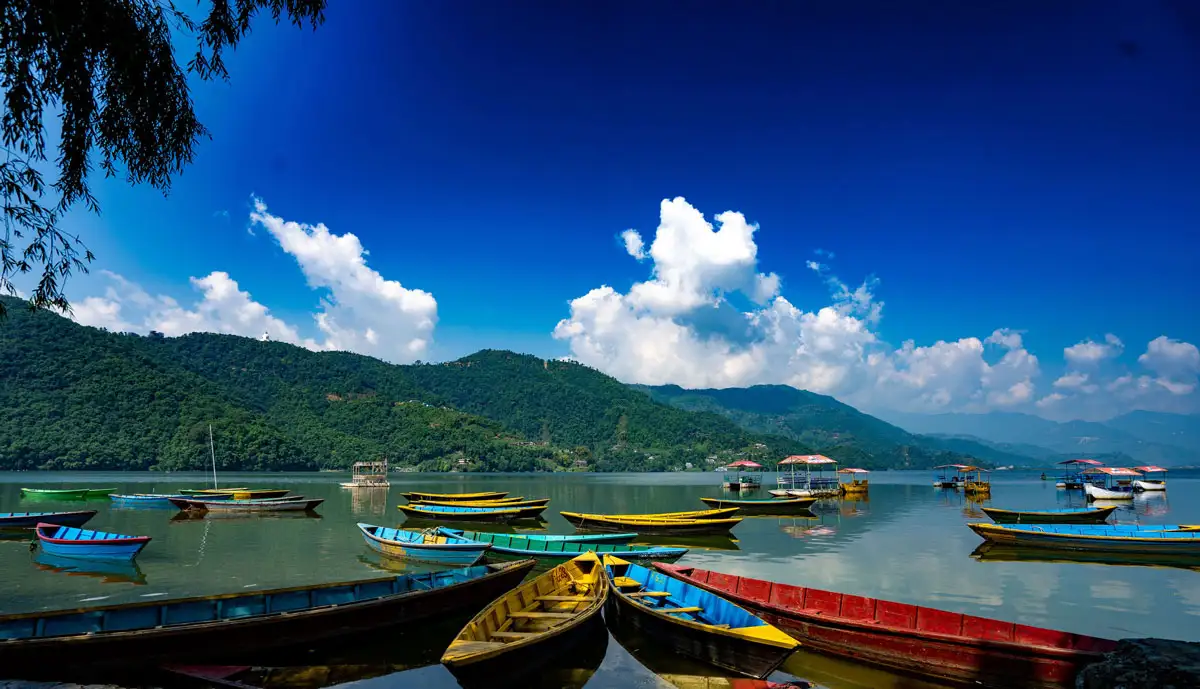
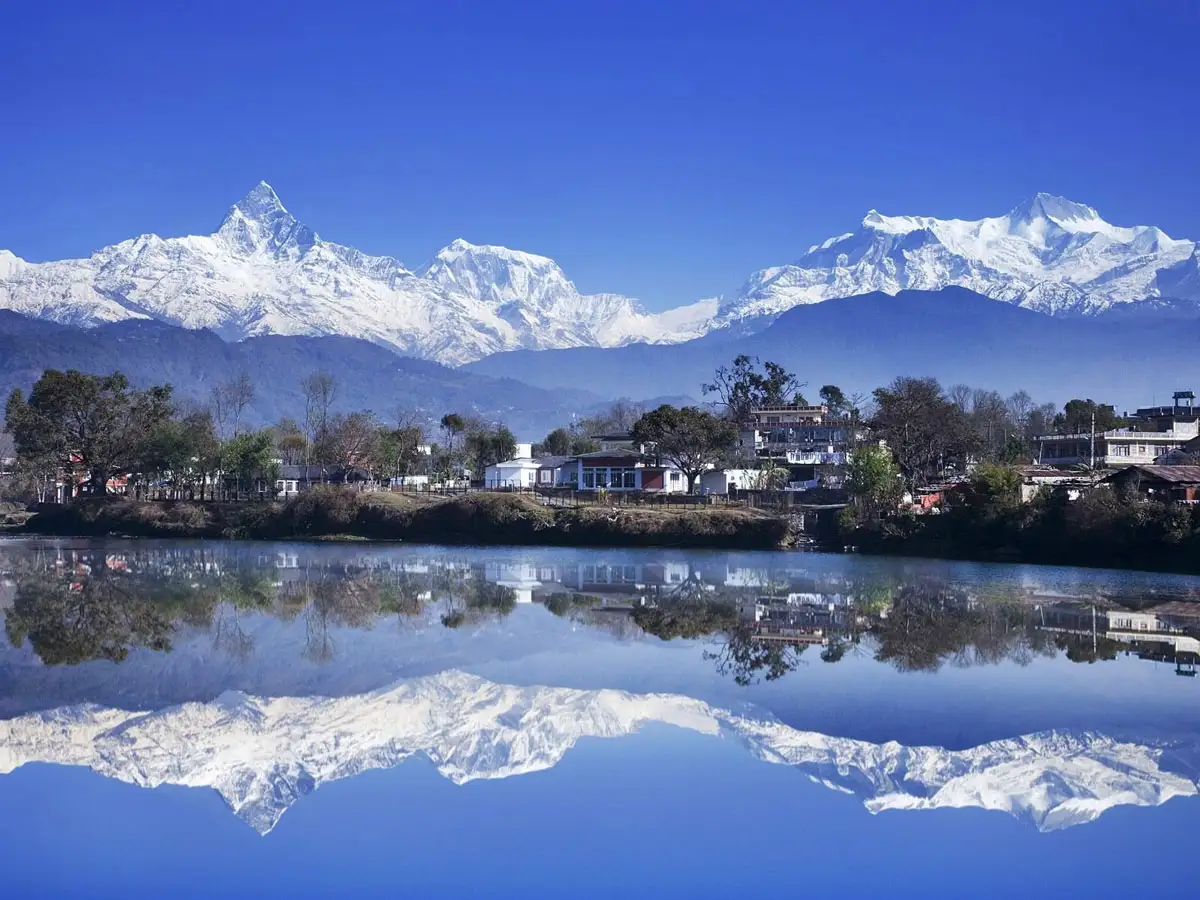
Pokhara is Nepal’s second-largest city and one of its most beloved destinations. Consequently, it appears on virtually every Nepal tour package for 10 days. The city sits beside Phewa Lake with the entire Annapurna Himalayan range rising dramatically to the north.
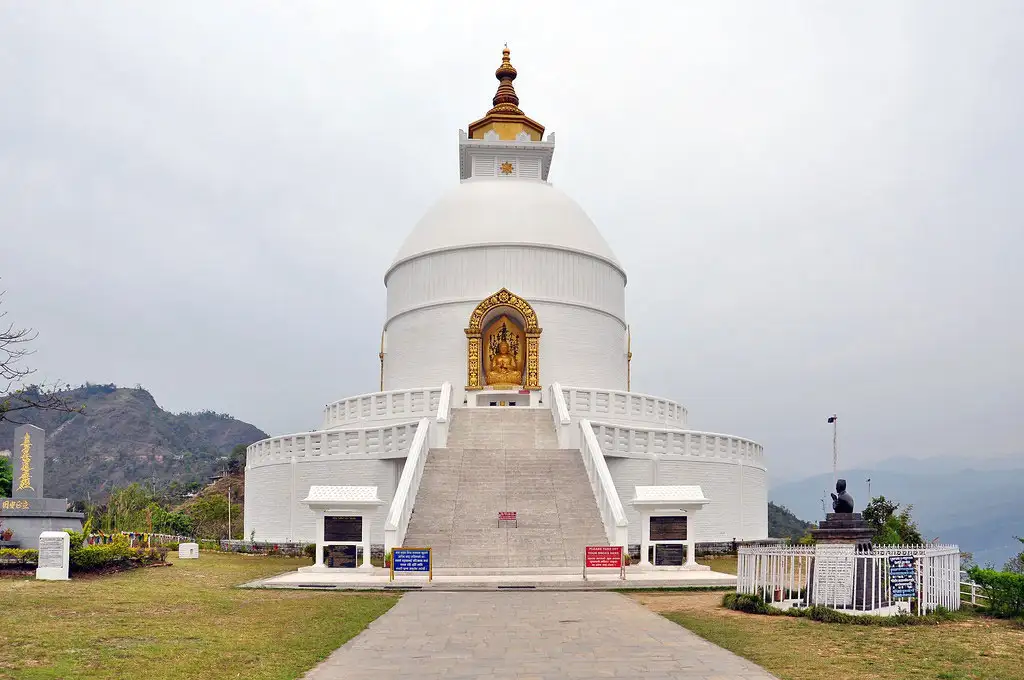
What to Experience in Pokhara:
Pokhara is also the gateway to Annapurna trekking routes, making it a natural point of extension if travelers wish to extend their Nepal trip.
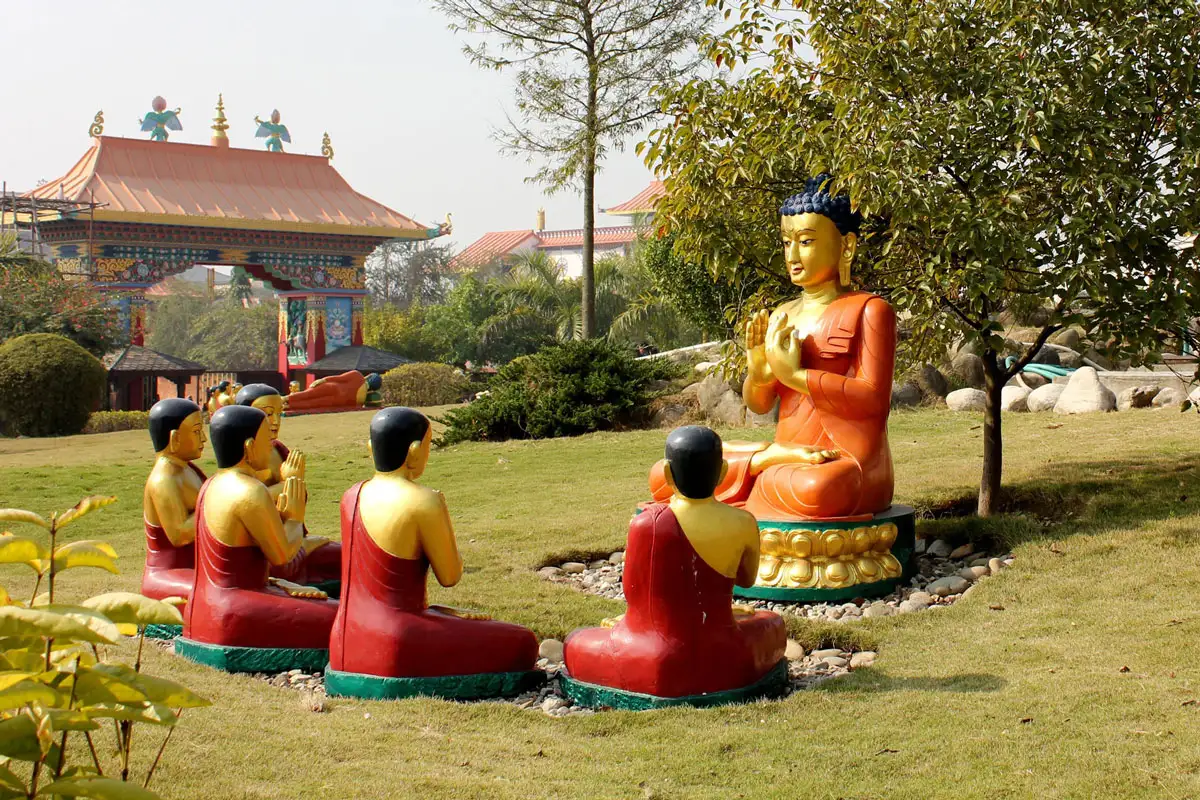
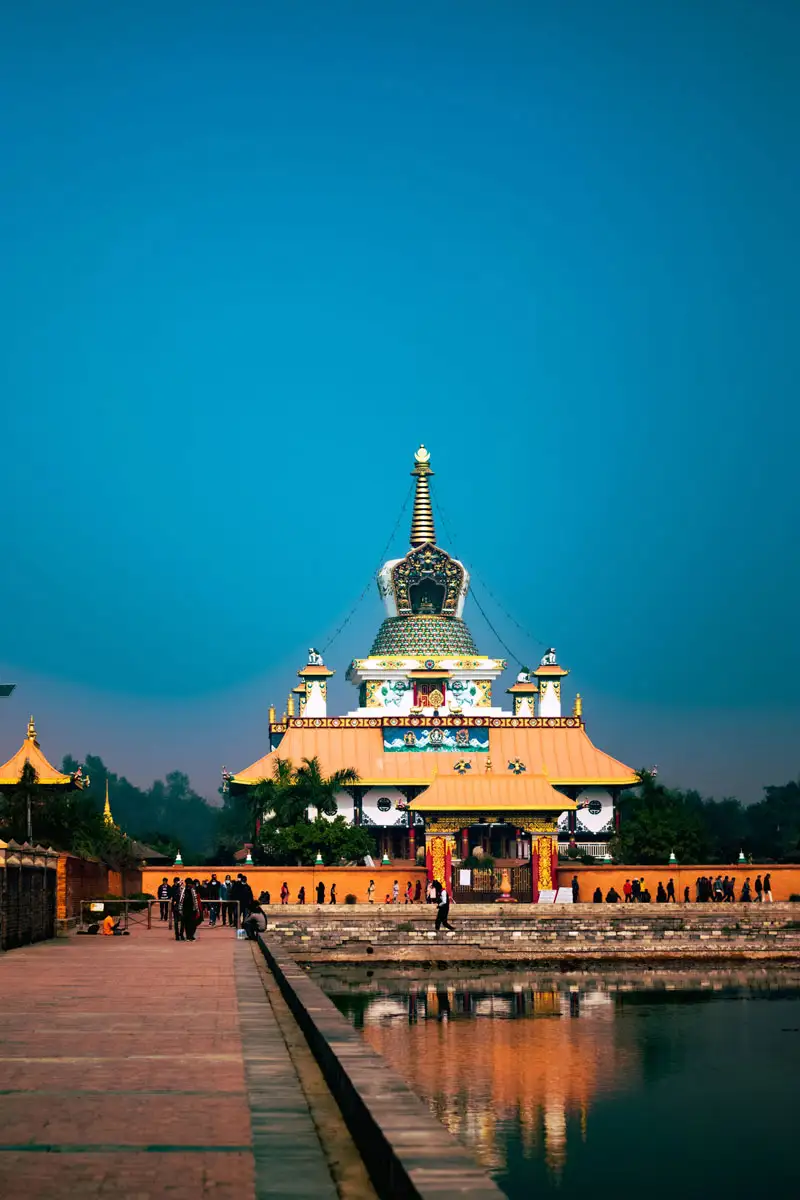
Lumbini is among the most significant Buddhist pilgrimage sites on earth. Therefore, its inclusion in this 10 days Nepal tour is both culturally and spiritually meaningful. The Maya Devi Temple marks the precise spot where Siddhartha Gautama was born in 623 BCE. Moreover, UNESCO has declared Lumbini a World Heritage Site.
Lumbini Sacred Garden includes:
Lumbini is calm, contemplative, and unlike anywhere else in Nepal. Even non-Buddhist visitors frequently describe it as profoundly moving.
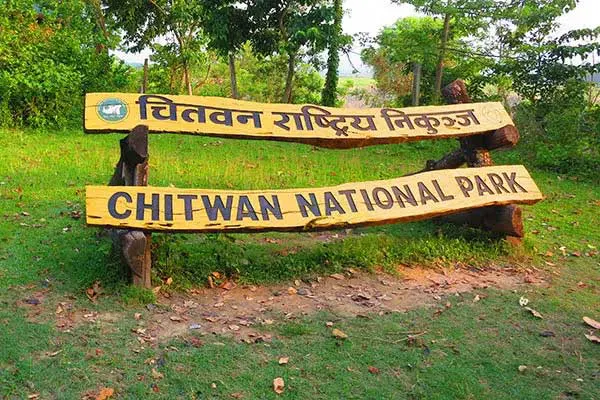
Chitwan National Park is Nepal’s most visited national park and a UNESCO World Heritage Site. Furthermore, it protects a remarkable ecosystem on the Terai lowlands. Here you encounter one-horned rhinoceroses, Bengal tigers, gharial crocodiles, and hundreds of bird species.
Chitwan Activities on This Tour:
Your Nepal journey begins at Tribhuvan International Airport (TIA), Kathmandu. Upon arrival, your guide meets you at the exit gate and transfers you to your hotel. Subsequently, the afternoon is free for rest and acclimatization. Your guide provides a welcome briefing covering the 10 days Nepal tour itinerary, cultural tips, and what to expect. If you arrive early, a short walk around the Thamel tourist district is worthwhile. Thamel is Kathmandu’s traveler hub, packed with restaurants, shops, and money exchange counters. Dinner on your own at any local or international restaurant nearby.
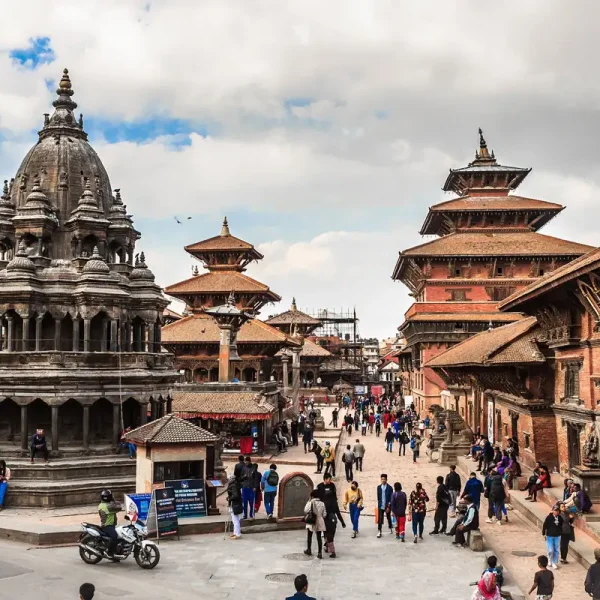
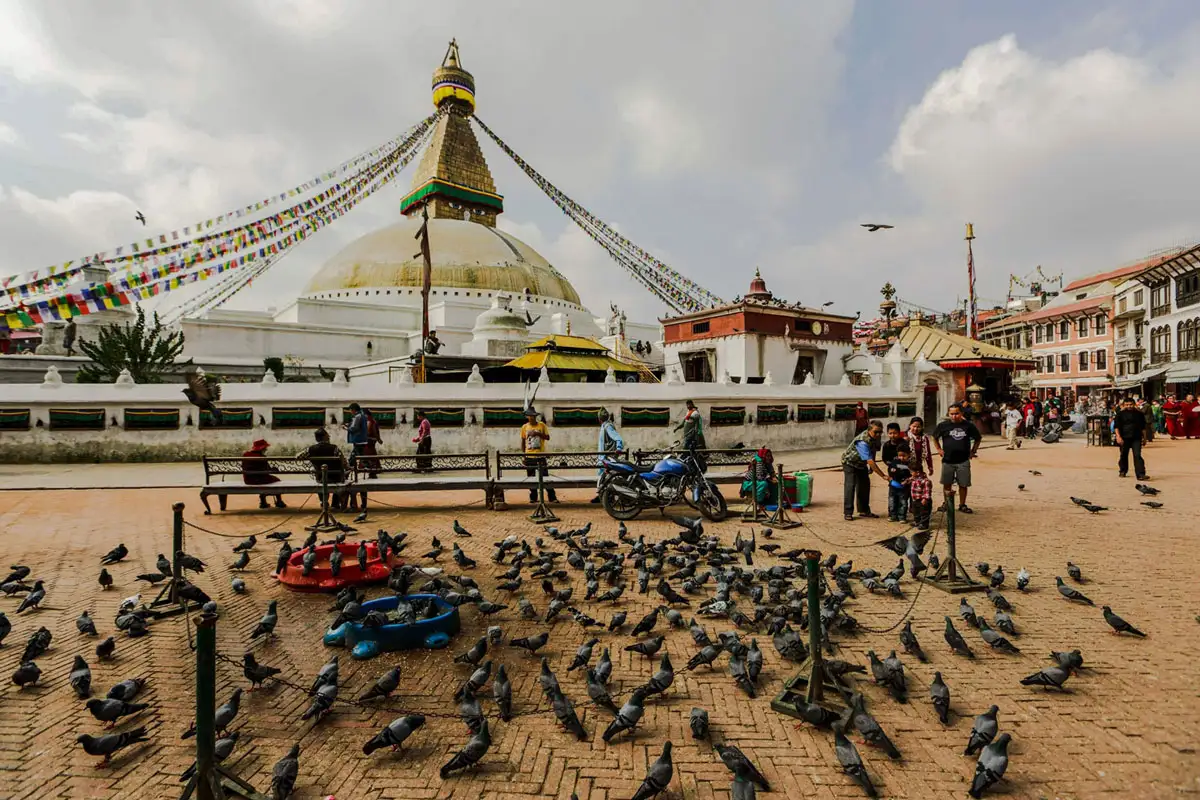
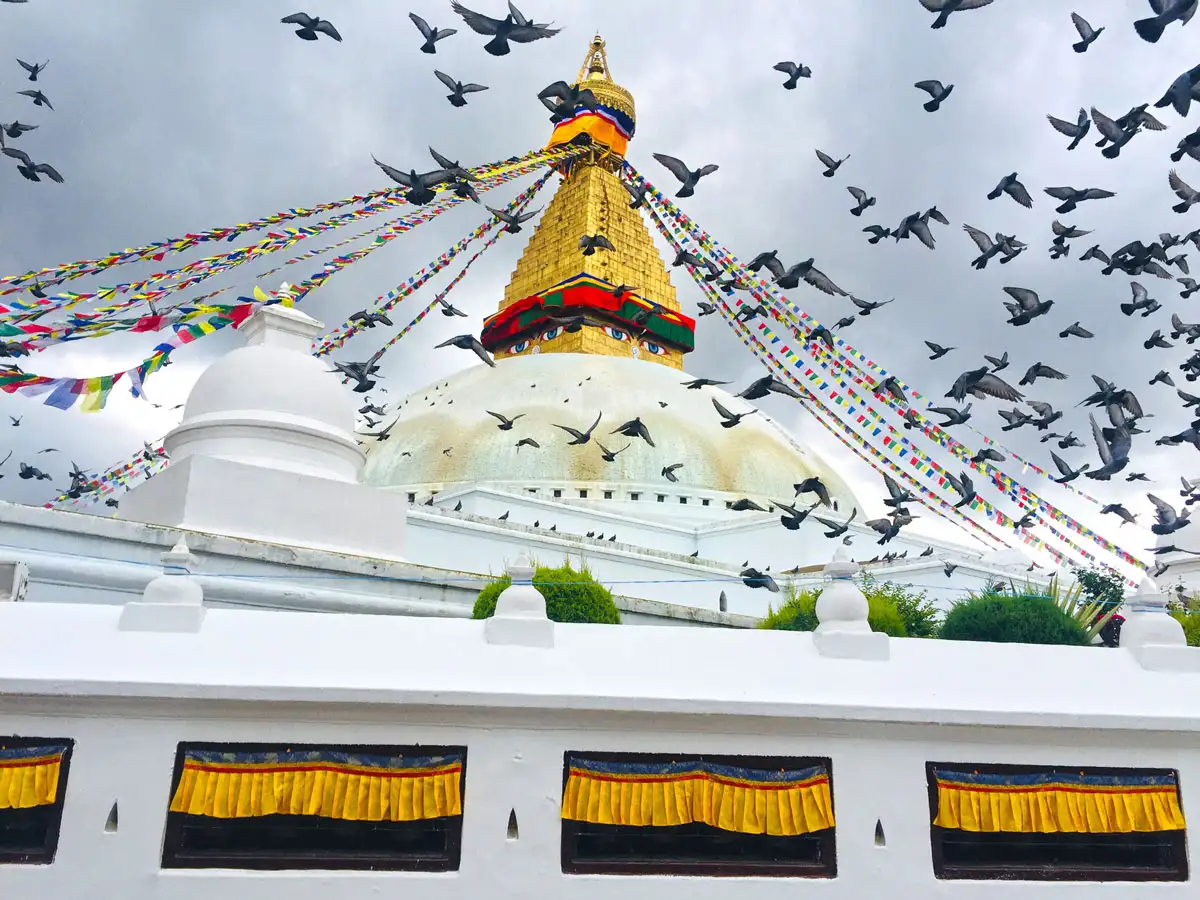
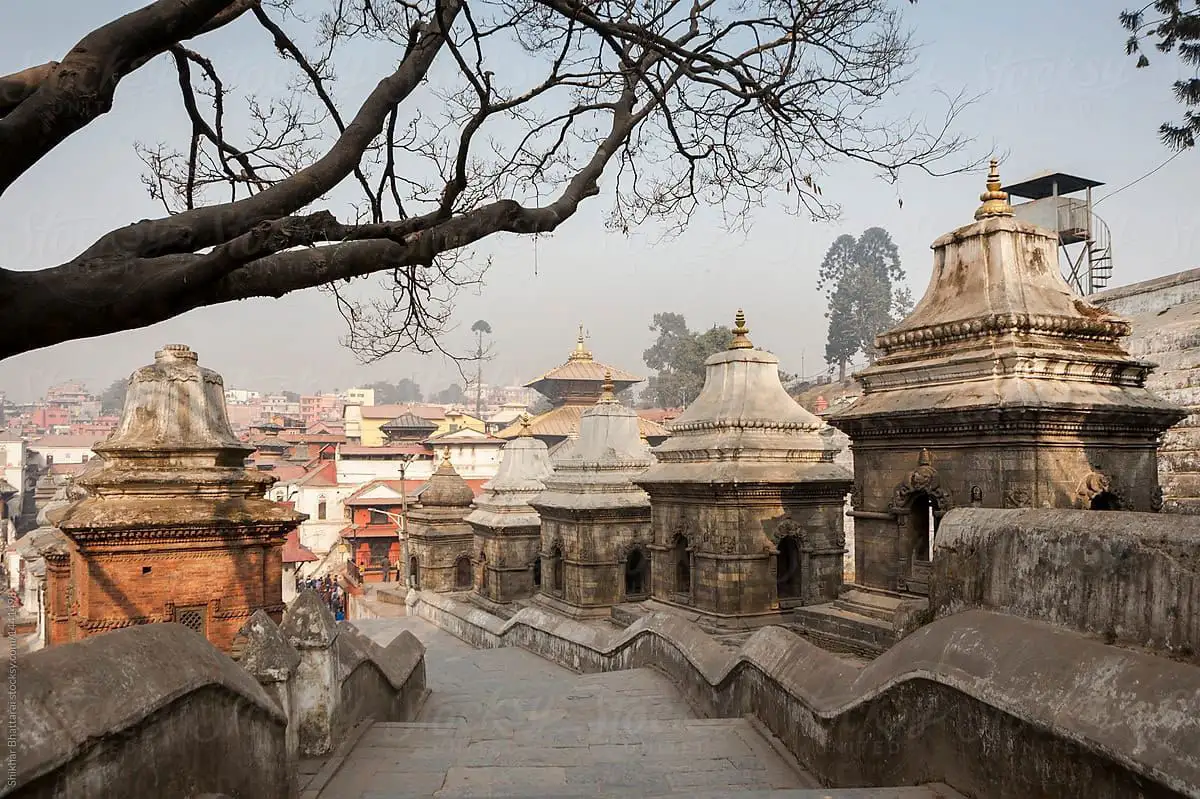
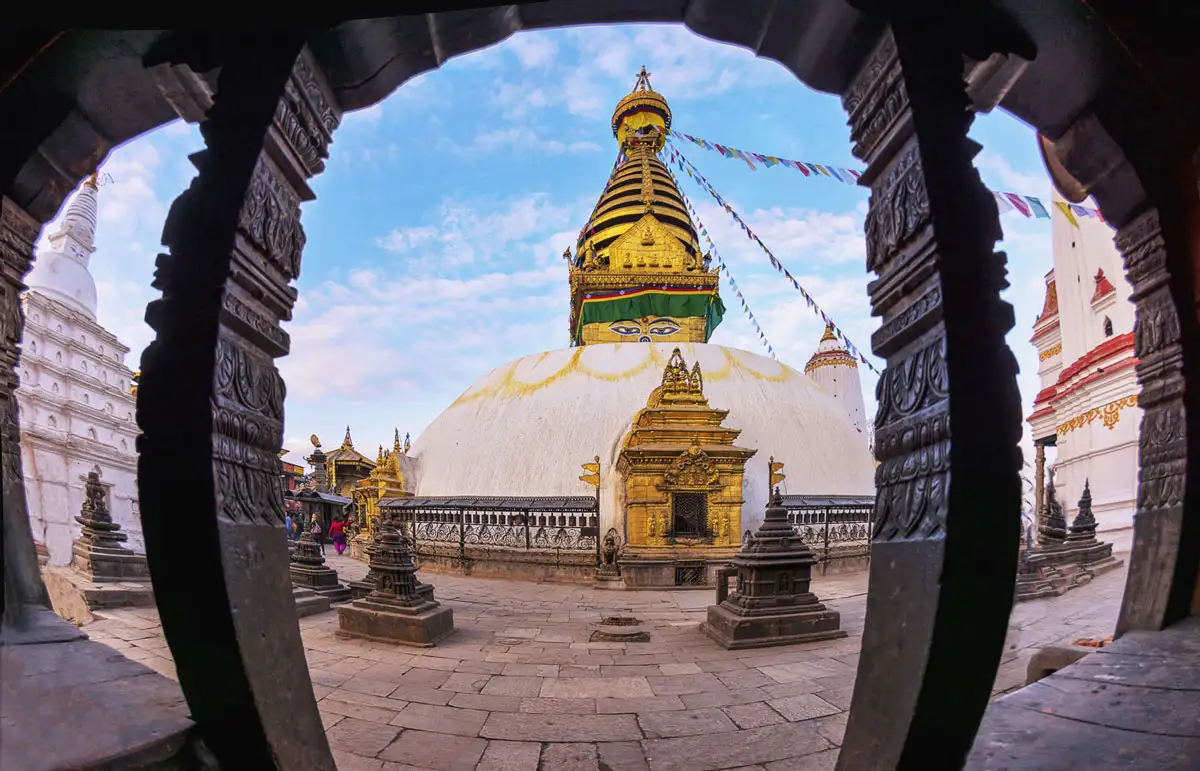
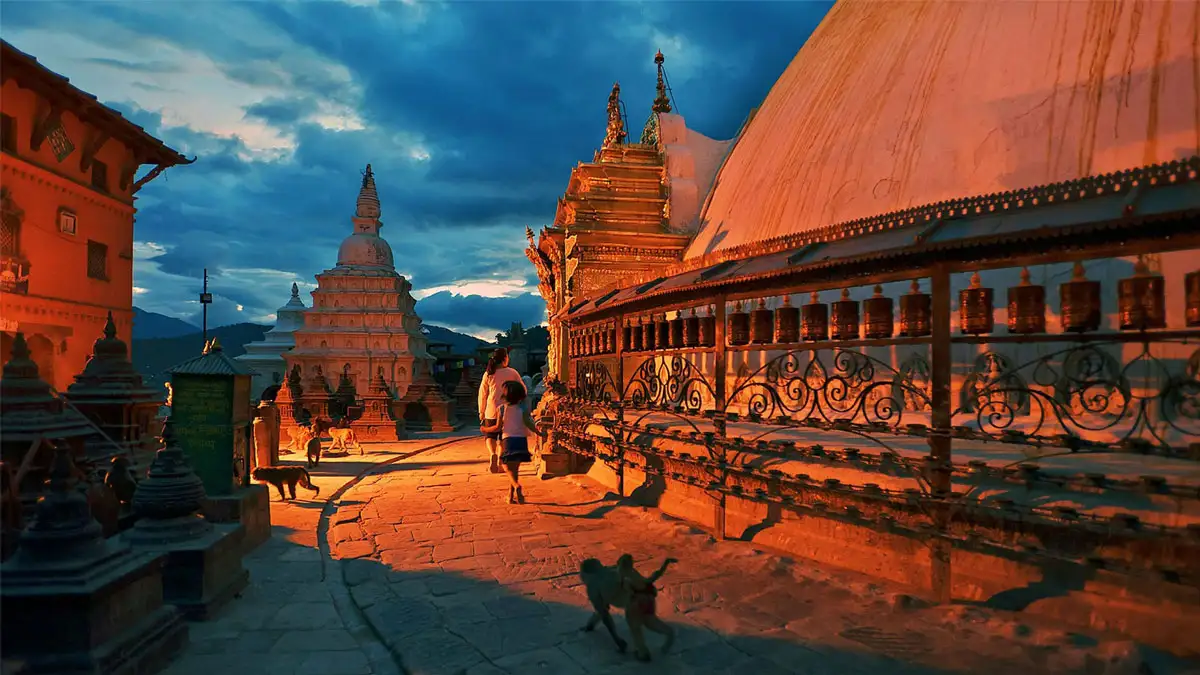
Today is a full sightseeing day in the Kathmandu Valley. First, you visit Swayambhunath Stupa, perched on a hill above the city. Next, you head to Patan Durbar Square, a masterpiece of Newari architecture packed with temples, courtyards, and the famous Krishna Mandir. After lunch, the tour continues to Pashupatinath Temple, Nepal’s most revered Hindu shrine on the Bagmati River. Finally, you end the day at Boudhanath Stupa, where you can walk the kora (circumambulation path) with monks and pilgrims. The return to the hotel brings a rich day of Kathmandu’s spiritual heritage to a close.
The morning begins with a drive to Bhaktapur, approximately 13 km east of Kathmandu. Upon entering the old city, you explore the 55-Window Palace, Nyatapola Temple, Bhairavnath Temple, and the Pottery Square. After lunch in Bhaktapur, the drive continues uphill to Nagarkot, roughly 32 km from Kathmandu at an elevation of 2,175 metres. The late afternoon viewpoint walk rewards you with sweeping Himalayan vistas on clear days. Moreover, the quieter hill atmosphere contrasts beautifully with urban Kathmandu. Overnight in Nagarkot means waking at dawn for an extraordinary Himalayan sunrise before Day 4 begins.
After an early morning sunrise at Nagarkot, you descend and drive toward Pokhara — approximately 200 km along the Prithvi Highway following the Trishuli River. The journey takes roughly 6–7 hours by private vehicle, passing terraced hillsides, river gorges, and roadside villages. Therefore, departing Nagarkot by 8:00 AM is recommended. En route, you can stop at Mugling for a tea break and fresh fruit from roadside stalls. Upon arriving in Pokhara by mid-afternoon, check in to your lakeside hotel. The evening is free to stroll along the Phewa Lake promenade and enjoy the mountain-framed sunset.
Begin Day 5 at 5:00 AM with a drive to Sarangkot Hill for one of Nepal’s most stunning sunrises. The Annapurna range, Dhaulagiri, and the iconic fishtail peak of Machhapuchhre glow in golden light at dawn. After returning for breakfast, the Pokhara sightseeing tour begins. You visit Davis Falls, where a stream plunges dramatically underground, and adjacent Gupteshwor Mahadev Cave. Next, the tour takes you to Bindabasini Temple, Pokhara’s oldest and most significant Hindu shrine. Afternoon brings a peaceful Phewa Lake boat ride to the Tal Barahi Temple. The International Mountain Museum is recommended for trekking enthusiasts.
Today’s journey takes you south from Pokhara toward the Terai plains. The drive to Lumbini covers approximately 150 km and takes about 4–5 hours. Upon arrival, after checking into your hotel, the afternoon is dedicated to exploring the Lumbini Sacred Garden. Your guide takes you to the Maya Devi Temple, the sacred pond, and the Ashoka Pillar. Furthermore, the International Monastery Zone contains beautifully diverse Buddhist temples from countries including Japan, China, Korea, Germany, and Myanmar. The evening atmosphere at Lumbini is serene and reflective. As a result, many visitors report this as the most emotionally resonant day of the entire trip.
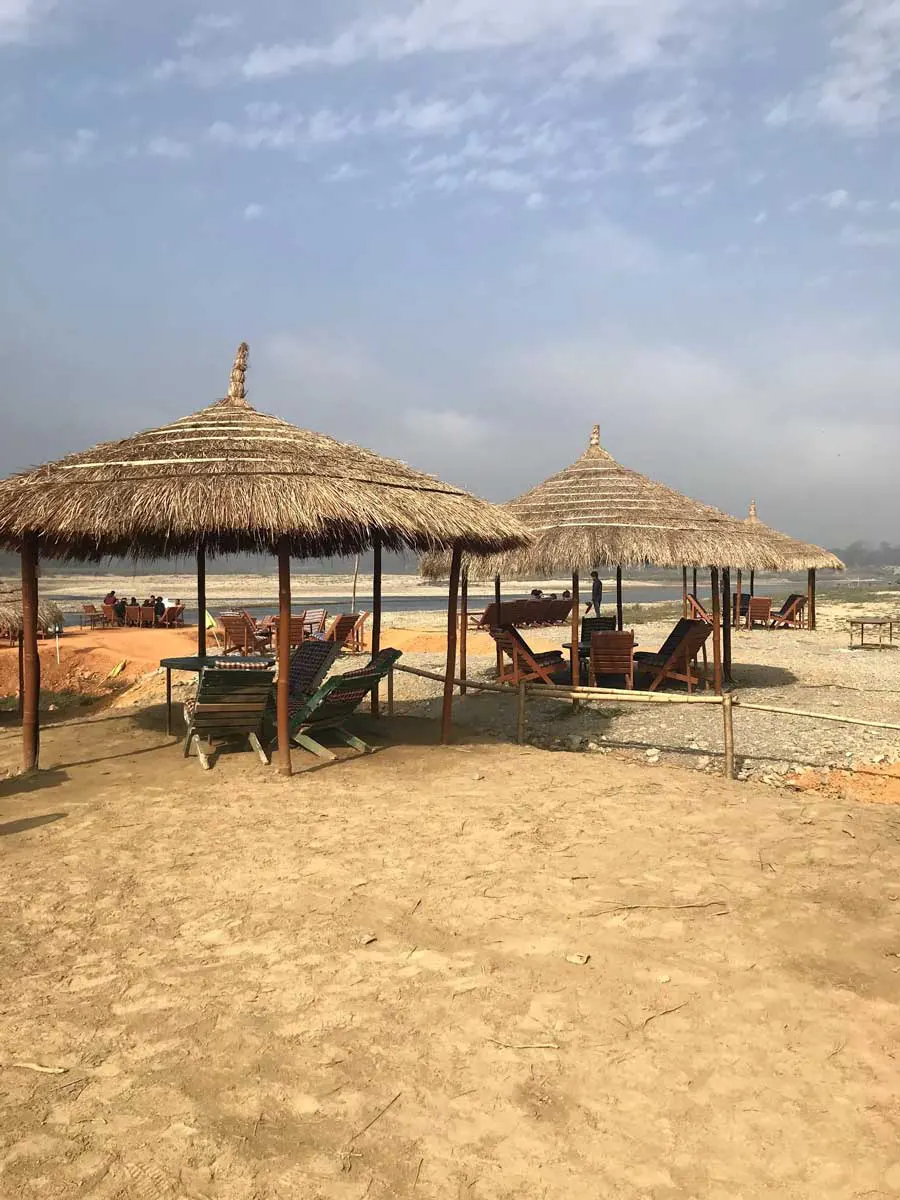
Lumbini to Chitwan covers approximately 165 km, taking around 3–4 hours via the Mahendra Highway. Upon arriving in Sauraha (the main tourist village at Chitwan), you check in to your jungle resort or hotel. In the afternoon, your guide takes you on a short orientation walk along the park boundary. Then, in the evening, you attend a Tharu Cultural Show — a vibrant performance of traditional Tharu dances including the famous stick dance (Danda Nach). This cultural immersion introduces you to the indigenous Tharu community, who have inhabited the Chitwan region for centuries.
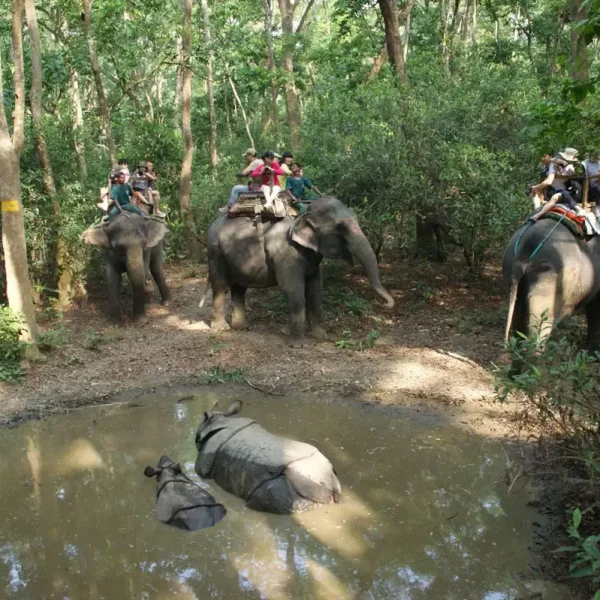
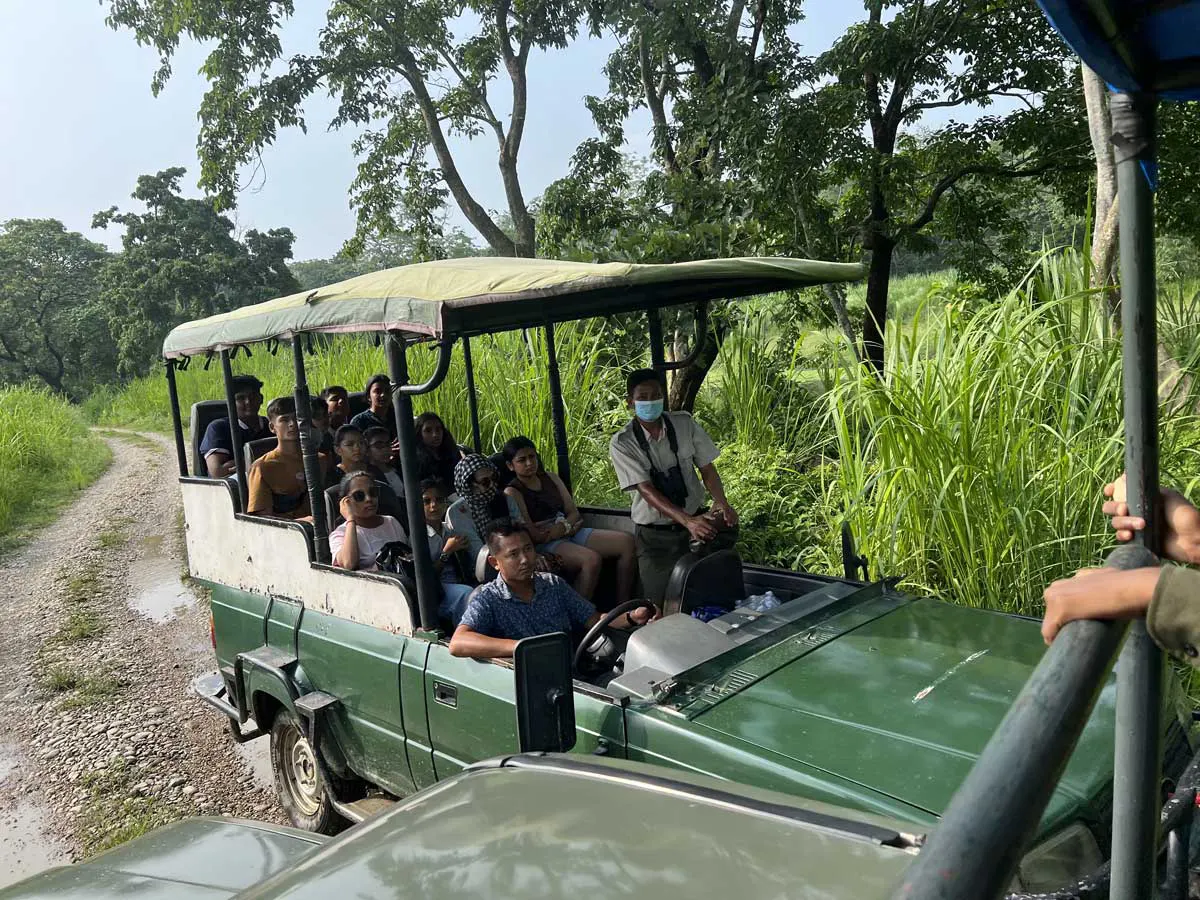
Day 8 is the most activity-packed day of the entire 10 days Nepal tour. Begin early morning with a canoe ride down the Rapti River — a tranquil experience of spotting gharial crocodiles, river birds, and marsh mugger crocodiles from a traditional dugout canoe. Afterward, visit the elephant breeding center for a responsible elephant interaction. Next, the highlight: a Jeep jungle safari deep into Chitwan National Park. With luck and a skilled naturalist guide, you encounter one-horned rhinoceroses, deer, monkeys, and possibly a Bengal tiger. The safari typically lasts 3–4 hours. Furthermore, afternoon birdwatching near the park edge is rewarding for bird enthusiasts.
Today’s drive returns north toward Kathmandu — approximately 150 km and 4–5 hours. Midway, the tour stops at Manokamana, accessible by the famous Manokamana Cable Car in Gorkha district. The cable car ride takes about 10 minutes each way, rising to 1,302 metres above sea level. Consequently, the views over the Trishuli River gorge are spectacular. The Manokamana Temple is dedicated to Goddess Manokamana, a manifestation of Parvati, and is deeply revered by Nepalis. After the visit, continue driving to Kathmandu, arriving by evening. This final Kathmandu night is ideal for souvenir shopping or a farewell dinner.
Today concludes your 9 night 10 days Nepal tour. After breakfast, check out from your hotel. Based on your departure time, your guide arranges timely airport transfer to Tribhuvan International Airport. Therefore, plan your international flight for mid-morning or later to allow comfortable checkout. If time permits before your flight, a final visit to a nearby Thamel shop or cafe is possible. Safe travels — and welcome back to Nepal whenever you’re ready.
| Season | Months | Weather | Suitability | Travel Experience |
|---|---|---|---|---|
| Spring | March – May | Warm, clear skies | Excellent | Rhododendrons in bloom; ideal for Pokhara and Kathmandu |
| Pre-Monsoon | June | Warming, hazy | Good | Crowds thinning; some rain begins |
| Monsoon | July – August | Heavy rain, humid | Fair | Green landscapes; road disruptions possible |
| Autumn | September – November | Cool, crystal-clear | Best | Peak season; finest mountain views; busiest |
| Winter | December – February | Cold mornings | Good | Low crowds; clear skies; cold nights at Nagarkot |
The best months for a 10 days Nepal tour are October–November and March–May. Autumn brings the clearest mountain views and ideal temperatures across all regions — Kathmandu, Pokhara, Lumbini, and Chitwan. Furthermore, spring offers colorful rhododendron forests and pleasant warmth. Winter from December to February is surprisingly good too — cold nights at Nagarkot aside, daytime skies are clear, and crowds are noticeably thinner. Therefore, budget travelers often find winter offers great value. The monsoon (July–August) can disrupt road travel, though Chitwan jungles are lush and wildlife is active. As a result, most operators recommend avoiding July–August for this particular multi-destination itinerary.
The majority of this 10 days Nepal tour uses private road transport. Nepal tour package for 10 days typically uses Toyota HiAce vans, Land Cruisers, or similar vehicles depending on group size. Private vehicles provide flexibility, comfort, and door-to-door convenience. Moreover, your driver adjusts pace and stops en route on request.
For travelers preferring air travel, the Pokhara to Kathmandu sector can be upgraded to a 25-minute domestic flight (approximately USD 90–120 one way). Similarly, a direct flight option exists between Pokhara and Bharatpur (near Chitwan). However, the road journey itself is scenic and worthwhile.
The Manokamana Cable Car operated by Doppelmayr (Austria) has been running since 1998. It rises 1,302 metres, takes approximately 10 minutes, and provides panoramic views of the Trishuli gorge and Himalayas. Therefore, it is one of Nepal’s most memorable short experiences, not merely a transfer.
Budget accommodation is available throughout the itinerary. In Kathmandu, budget hotels in Thamel offer clean rooms with private bathrooms from approximately USD 15–30 per night. Similarly, Pokhara’s lakeside area has many guesthouses at comparable rates. Budget options in Lumbini and Chitwan range from simple lodge rooms to basic resorts with garden settings.
Standard category hotels represent the best value on this Nepal tour package for 10 days. They typically feature:
Standard hotels in Kathmandu include properties like Hotel Marshyangdi, Thamel House, and similar 3-star equivalents. In Pokhara, numerous lakeside 3-star hotels offer mountain view rooms. Chitwan has several well-regarded standard jungle resorts.
Deluxe options on this 10 days Nepal tour itinerary include properties such as Dwarika’s Hotel (Kathmandu), Temple Tree Resort (Pokhara), and Kasara Resort (Chitwan). These provide premium rooms, swimming pools, spa facilities, and elevated dining. Furthermore, in Nagarkot, properties like Club Himalaya offer breathtaking sunrise views from private balconies.
Nagarkot has limited but quality accommodation options. The focus here is the Himalayan view experience rather than luxury. Most properties are mid-range hilltop hotels with excellent viewpoints. Therefore, manage expectations — the charm is natural, not urban.
Nepal offers a rich and affordable food scene. The national dish, dal bhat (lentil soup with rice, vegetables, and pickles), is nutritious, filling, and refillable at most local restaurants. Furthermore, it is available across all destinations on this tour. Kathmandu’s Thamel neighborhood has an extraordinary variety of cuisines — Italian, Japanese, Indian, Mexican, and traditional Nepali.
Kathmandu:
Pokhara:
Lumbini:
Chitwan:
Nepal is exceptionally vegetarian-friendly. Consequently, vegetarians face no challenges anywhere on this itinerary. Buddhist pilgrimage sites like Lumbini have predominantly vegetarian menus. Moreover, Hindu sacred areas like Pashupatinath restrict beef entirely. Vegan options, while less labeled explicitly, are widely available through vegetable-based Nepali dishes.
This 10 days Nepal tour offers romantic settings at nearly every stop. Lakeside evenings in Pokhara, sunrise views at Nagarkot, serene garden walks at Lumbini, and candlelit resort dinners in Chitwan all create memorable moments. Furthermore, upgrades to deluxe accommodation make it an excellent honeymoon option.
Families find this itinerary highly engaging. Children especially enjoy the Chitwan jungle activities — the canoe ride, elephant center, and jeep safari are unforgettable for young travelers. Moreover, Pokhara’s calm lakeside and Bhaktapur’s open temple squares are easy to explore with kids.
Solo travelers benefit from the structured pacing of this Nepal itinerary 10 days. A private guide handles logistics, navigates language barriers, and ensures safety at every destination. Consequently, solo visitors can focus entirely on the experience without operational stress.
The trip difficulty is easy to moderate with no strenuous trekking. Road journeys are the main physical demand. Deluxe accommodation upgrades, slower-paced sightseeing, and private vehicles make this tour comfortably accessible for seniors. Moreover, most heritage sites are walkable at a relaxed pace.
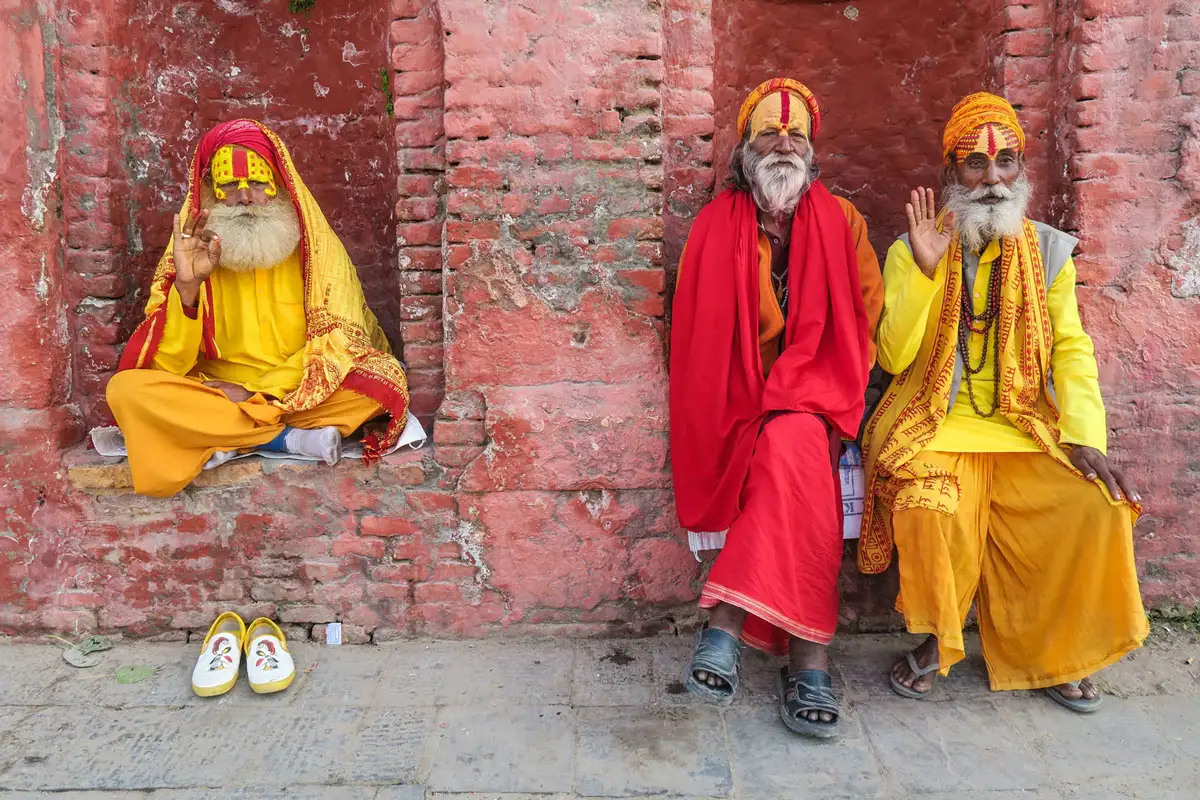
This tour covers Hindu and Buddhist heritage in remarkable depth — Pashupatinath, Boudhanath, Swayambhunath, Patan’s temples, Bhaktapur’s medieval architecture, and Lumbini’s sacred garden. As a result, it is among the most spiritually rich multi-destination Nepal tours available.
Chitwan National Park alone makes this trip worthwhile for nature lovers. Furthermore, Pokhara’s proximity to the Annapurna foothills and Nagarkot’s mountain panoramas satisfy landscape photographers and nature observers alike.
There may be occasions when you find yourself needing to cancel your trip due to an emergency or other unforeseen circumstances. In such cases,

1-3 Person

4-6 Person

3-5 Person

7-12 Person

13-18 Person

19-30 Person

“A holiday I’ll remember for years.”
This 10-day tour exceeded my expectations. Nepal has incredible scenery, welcoming people, and a fascinating culture, and this itinerary showcased all of it beautifully. Every day offered something different, whether it was exploring UNESCO heritage sites, enjoying mountain views, or experiencing local life. The entire team was professional and attentive, making the journey smooth and enjoyable from arrival to departure. It was excellent value for money and a fantastic way to discover Nepal.

“Everything was organized from start to finish.”
This tour made traveling around Nepal incredibly easy. The hotels were comfortable, transportation was punctual, and our guide shared plenty of interesting stories about the places we visited. I especially loved the sunrise over the Himalayas in Pokhara and the jungle activities in Chitwan. The balance between sightseeing and free time was just right, allowing us to enjoy every destination without feeling exhausted. I would happily recommend this package to anyone visiting Nepal.

“An amazing 10-day journey through Nepal.”
I wanted a trip that combined culture, nature, and relaxation, and this package delivered exactly that. Every destination had something special, from the historic temples in Kathmandu to the peaceful lakes of Pokhara and the wildlife experience in Chitwan. The itinerary was well paced, and we never felt rushed. Our guide was friendly, knowledgeable, and always happy to help. It was my first visit to Nepal, and it certainly won’t be my last.