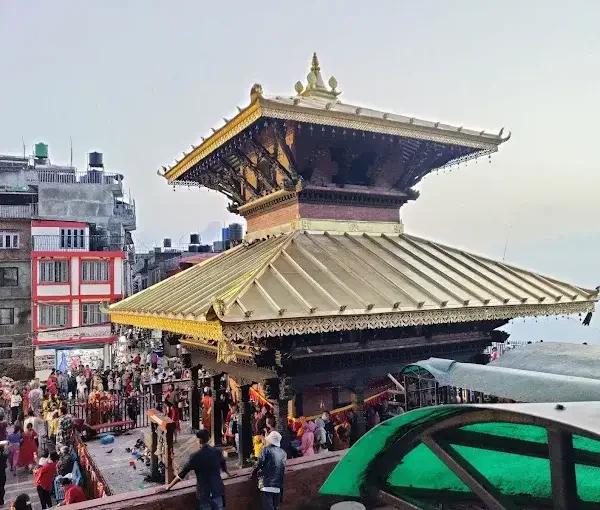
The Kathmandu One Day Tour is a perfectly designed full-day heritage sightseeing experience covering four of Nepal’s most iconic UNESCO World Heritage Sites — Pashupatinath Temple, Boudhanath Stupa, Swayambhunath (Monkey Temple), and Patan Durbar Square. Tailored for international travelers with limited time, this one-day itinerary allows you to experience the spiritual, cultural, and architectural essence of Nepal’s capital city in a single, well-organized day. Whether you arrive in Kathmandu for a layover, a short business trip, or as part of a longer Nepal journey, this tour ensures you don’t miss the city’s most transformative landmarks.
Beyond sightseeing, this tour immerses you in Nepal’s living heritage. You will witness Hindu priests performing sacred rituals beside the Bagmati River, hear the resonant hum of Buddhist monks at Boudhanath, and admire the intricate stone carvings of medieval Newari craftsmanship at Patan. The tour suits families, solo travelers, couples, cultural enthusiasts, photographers, and spiritual seekers alike. With a private vehicle, a knowledgeable guide, and a carefully sequenced route, the Kathmandu One Day Tour is the most efficient and meaningful way to explore the heart of Nepal in just one day.
For travelers with only one day in Nepal’s capital, choosing the right itinerary makes all the difference. The Kathmandu One Day Tour is thoughtfully designed to cover maximum cultural ground with minimum travel fatigue. Rather than spending hours figuring out transport, entrance fees, or sequencing, you benefit from a pre-arranged route that flows logically from one landmark to the next.
This tour suits first-time visitors who want a strong introduction to Nepal’s spiritual and cultural landscape. It equally serves returning travelers who want a structured heritage experience without the guesswork. The itinerary begins at Pashupatinath — best visited in the morning when rituals are most active — and ends at Patan Durbar Square, giving you a culturally rich finale.
A professional English-speaking guide accompanies you throughout the day. Their insight transforms a simple sightseeing walk into a genuinely educational experience. You’ll understand the religious significance of the ghats at Pashupatinath, the Tibetan Buddhist influence at Boudhanath, the mythology behind Swayambhunath’s all-seeing eyes, and the extraordinary craftsmanship that defines Patan’s medieval courtyards.
Additionally, a private vehicle ensures you travel comfortably between sites without relying on public transport. Kathmandu’s streets can be congested, and having dedicated transport saves both time and energy. All entrance fees to the heritage sites are included, so there are no unexpected costs on the day.
The tour is particularly valuable for:
Pashupatinath Temple stands as one of the most revered Hindu temples in the world and is the holiest Shiva shrine in Nepal. Located on the sacred banks of the Bagmati River in eastern Kathmandu, this UNESCO World Heritage Site draws thousands of Hindu pilgrims daily. Non-Hindus are not permitted inside the main temple complex, but the surrounding ghats, cremation platforms, and riverside shrines offer a deeply moving experience from the eastern bank.
Mornings are especially powerful here. Sadhus (Hindu holy men) covered in ash and orange robes sit along the riverbanks, while priests conduct aarti ceremonies by the water. The cremation ghats of Pashupatinath provide an honest, unfiltered glimpse into the Hindu perspective on life, death, and spiritual liberation. Rather than being morbid, the atmosphere is quietly philosophical and profoundly human.
Key highlights include:
Allow approximately 60–75 minutes at this site to fully absorb its atmosphere. Modest dress (covering shoulders and knees) is strongly recommended.
Boudhanath Stupa is one of the largest Buddhist stupas in the world and the spiritual center of Nepal’s Tibetan Buddhist community. Listed as a UNESCO World Heritage Site, this massive whitewashed dome dominates the Boudha neighborhood northeast of central Kathmandu. The stupa’s iconic eyes — painted on all four sides of the spire — watch over the surrounding monasteries, prayer wheel corridors, and Tibetan shops.
Walking the kora (circumambulation path) around Boudhanath is a meditative experience. Monks in maroon robes spin prayer wheels, locals complete their daily rounds of the stupa, and the sound of Tibetan horns and chanting filters from nearby monastery windows. The surrounding Boudha neighborhood itself is a cultural destination — filled with Tibetan crafts, thangka paintings, and butter tea shops.
Boudhanath is particularly meaningful for:
The best time to visit Boudhanath is early morning or at dusk, when butter lamps are lit and the stupa glows warmly. Your guide will explain the symbolic meaning of the stupa’s tiers, the prayer flags, and the local Buddhist traditions observed here. Plan for approximately 60–75 minutes at this site.
Perched on a hilltop 77 meters above the Kathmandu Valley floor, Swayambhunath Stupa — popularly known as the Monkey Temple — is one of Nepal’s oldest and most photographed religious sites. This UNESCO World Heritage Site dates back over 2,500 years and holds deep significance for both Hindus and Buddhists. The climb of 365 stone steps to the summit is rewarded with panoramic views over Kathmandu and a genuinely atmospheric sacred complex.
The name “Monkey Temple” comes from the large population of holy monkeys that live on the hilltop and are considered sacred to the Hindu god Hanuman. Despite their playful presence, visitors should keep food out of sight to avoid encounters.
At the summit, you’ll find:
The syncretism of Hinduism and Buddhism at Swayambhunath is unique and reflects Nepal’s remarkable religious harmony. Your guide will explain the site’s founding mythology, the significance of the painted eyes, and the differences between the various shrines. Allow 60–75 minutes here. Wear comfortable walking shoes for the steps.
Patan Durbar Square, located in Lalitpur (also called Patan) just south of central Kathmandu, is widely considered the finest example of Newari architecture in Nepal. This UNESCO World Heritage Site served as the royal palace complex of the ancient Patan Kingdom. Today, it remains an extraordinary open-air museum of medieval temples, intricately carved wooden windows, stone sculptures, and royal courtyards.
Unlike some heritage sites that feel overly commercialized, Patan Durbar Square retains its authentic daily rhythm. Local artisans work in traditional workshops nearby. Devotees visit active shrines within the square. Children play in the stone courtyards that have existed for centuries.
Key highlights of Patan Durbar Square include:
Patan is also Nepal’s center for traditional metal crafts, particularly lost-wax bronze casting. A short walk from the square often reveals artisans at work in small foundries. This is an excellent place to purchase authentic Nepali crafts directly from local makers.
| Time | Activity | Attraction | Meals | Transport | Overnight |
|---|---|---|---|---|---|
| 07:30 AM | Hotel pickup | Thamel / Central Kathmandu | — | Private vehicle | — |
| 08:00–09:15 AM | Morning rituals, ghats & sadhus | Pashupatinath Temple | Own expense | Private vehicle | — |
| 09:30–10:45 AM | Stupa kora, monastery visit | Boudhanath Stupa | Own expense | Private vehicle | — |
| 11:00 AM–12:15 PM | Hilltop stupa, valley views, monkeys | Swayambhunath (Monkey Temple) | Own expense | Private vehicle | — |
| 12:15–01:15 PM | Lunch break | Local restaurant, Patan area | Own expense | Private vehicle | — |
| 01:15–03:00 PM | Royal palace, temples, Patan Museum | Patan Durbar Square | Own expense | Private vehicle | — |
| 03:15–04:00 PM | Return transfer | Back to hotel, Kathmandu | — | Private vehicle | Your hotel |
Day Summary:
Note: Itinerary timing may adjust slightly based on traffic and group pace. Pashupatinath is ideally visited early morning to witness active rituals.
| Season | Months | Weather | Suitability | Travel Experience |
|---|---|---|---|---|
| Autumn (Peak) | October – November | Clear skies, cool & dry | Excellent | Best mountain views, ideal sightseeing |
| Spring (Peak) | March – April | Mild, partly cloudy | Excellent | Rhododendrons in bloom, good visibility |
| Winter | December – February | Cold mornings, clear days | Good | Fewer crowds, crisp air |
| Monsoon | June – September | Humid, heavy rain | Fair | Lush greenery, some disruption possible |
Autumn and spring are the absolute best seasons for the Kathmandu One Day Tour. October and November offer crystal-clear skies, comfortable temperatures between 10°C and 22°C, and minimal rainfall. The heritage sites are easily accessible, and the atmosphere is lively with major festivals including Dashain and Tihar.
Spring (March–April) is equally rewarding. Temperatures begin to warm, the hillsides are green and blooming, and the days are long enough to cover all four sites comfortably. Winter tours are entirely possible and often quieter, though early morning visits can be cold. Monsoon season remains an option — early-morning starts help navigate afternoon rain showers.
Kathmandu’s road network can be unpredictable. Narrow lanes, heavy traffic, and road construction mean that a dedicated private vehicle is a practical necessity for a smooth day tour. Your tour includes a comfortable private car or van with an experienced local driver who navigates Kathmandu’s roads daily.
Approximate transfer times between sites (traffic-dependent):
Each site requires a short walk from the vehicle drop-off point. Swayambhunath involves climbing 365 steps to the main stupa. An alternate gentler path is available on the west side of the hill. All other sites involve flat, easy walking.
Meals are not included in the tour, giving you full flexibility to eat according to your taste and budget. Kathmandu has an impressive food scene that satisfies every palate.
Local Nepali Dishes to Try:
Vegetarian options are widely available across Kathmandu. Most restaurants can accommodate dietary preferences if communicated clearly. Stick to sealed bottled water throughout the day.
Clothing:
Essentials:
Technology & Money:
Cultural Etiquette:
Couples & Honeymooners: The romantic atmosphere of Boudhanath, the architectural beauty of Patan, and the spiritual depth of Pashupatinath make this a meaningful shared experience.
Solo Travelers: This tour provides a safe, guided structure for solo travelers unfamiliar with Kathmandu’s layout. The guide serves as both cultural interpreter and practical navigator.
Families with Children: The variety of sites keeps children engaged — from the playful monkeys at Swayambhunath to the open courtyards of Patan. The tour’s easy walking level suits children aged 6 and above.
Senior Travelers: All four sites are accessible for seniors. The Swayambhunath alternative pathway avoids the steep staircase. The private vehicle and guide ensure comfort throughout the day.
Photographers: Kathmandu’s heritage sites offer extraordinary photography opportunities — ritual atmosphere at Pashupatinath, prayer flags at Boudhanath, hilltop panoramas at Swayambhunath, and medieval stonework at Patan.
Culture Seekers & Spiritual Travelers: Few cities hold this density of living spiritual heritage. Whether your interest is Hindu pilgrimage, Tibetan Buddhism, or Newari artistic tradition, this tour offers genuine insight into all three.
Transit Passengers & Short-Stay Visitors: If you have just one day in Kathmandu between flights or before a trek, this tour is the most efficient and rewarding way to use your time.
There may be occasions when you find yourself needing to cancel your trip due to an emergency or other unforeseen circumstances. In such cases,

1-3 Person

4-6 Person

3-5 Person

7-12 Person

13-18 Person

19-30 Person

My Kathmandu day tour was a remarkable experience that provided a deep dive into Nepal’s cultural and historical gems. The well-planned itinerary, expert guide, and comfortable transportation made it an enriching journey. From exploring Kathmandu Durbar Square to witnessing the spirituality of Pashupatinath Temple, and savoring local cuisine, every moment was a highlight. This tour is a must for those with limited time who want to discover Kathmandu’s beauty and heritage, leaving me with a newfound appreciation for the city and its treasures. Highly recommended for anyone visiting Nepal’s capital!