The Dakshinkali and Pharping one day tour is a perfect short escape from Kathmandu for travelers who want a blend of spirituality, culture, and nature without committing to a multi-day trek. Starting early in the morning from Kathmandu or Bhaktapur, the journey takes you to Dakshinkali Temple, one of Nepal’s most powerful Shakti shrines, followed by a relaxed exploration of Pharping’s hillside monasteries and the sacred Asura Cave, linked to the meditation history of Guru Rinpoche. Along the way, you’ll enjoy an authentic Newari lunch, visit the peaceful Shesh Narayan and Vajrayogini Temples, and end the day with a scenic stop at Taudaha Lake before returning to the city by early evening.
This trip suits a wide range of travelers — spiritual seekers, culture enthusiasts, photographers, families, solo travelers, and anyone looking for an easy, well-paced day out from the city. The trip style is relaxed and sightseeing-focused, combining temple visits, monastery walks, and lakeside views rather than strenuous hiking, making it accessible for nearly all fitness levels. With a knowledgeable guide and comfortable private transport, the Dakshinkali and Pharping one day tour offers an authentic glimpse into Nepal’s living religious traditions, Newari culture, and natural beauty, all within a single, easy-to-manage day trip from the Kathmandu Valley.
The Dakshinkali and Pharping one day tour stands out because it packs an unusually rich variety of experiences into a single day. Most short trips around Kathmandu focus on either temples or nature, but this itinerary combines a powerful Hindu shrine, ancient Buddhist meditation caves, hillside monasteries, and a serene lake — all within a compact, easy-to-follow route. Few day tours offer such a complete cross-section of Nepal’s religious diversity, making it ideal for travelers who want depth without spending multiple days on the road.
This package is designed for comfort. Private transport from Kathmandu or Bhaktapur means no waiting for public buses or navigating unfamiliar routes, and the pace of the day is relaxed rather than rushed. Each stop is given enough time to explore properly, from the temple rituals at Dakshinkali to a leisurely lunch break in Pharping. For travelers with limited time in Nepal, the convenience of returning to the city by early evening — without needing an overnight stay — makes this one of the easiest ways to experience authentic Nepali culture.
Because the trip difficulty is easy and the pacing is flexible, it works well for families with children, older travelers, photography enthusiasts, solo backpackers, and spiritually curious visitors alike. There’s no technical trekking involved, just gentle walks between temples, caves, and viewpoints.
With multiple significant sites covered in one outing, a local Newari lunch included in the itinerary, and the flexibility of private or group departure, this tour delivers strong value. Many travelers who’ve used this route describe it as one of the most efficient ways to understand Kathmandu Valley’s spiritual landscape — a trustworthy, well-tested itinerary rather than an experimental one.
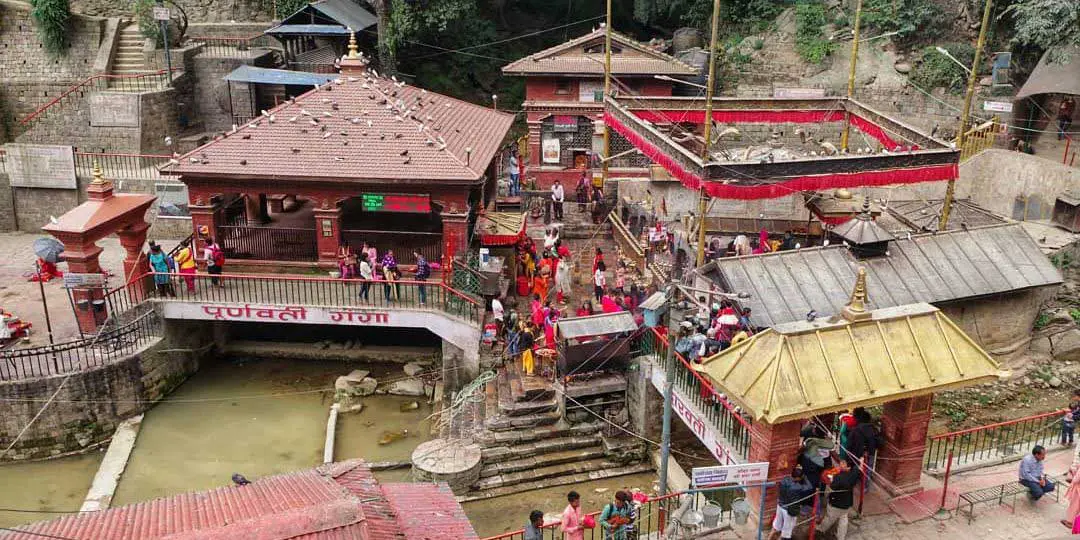
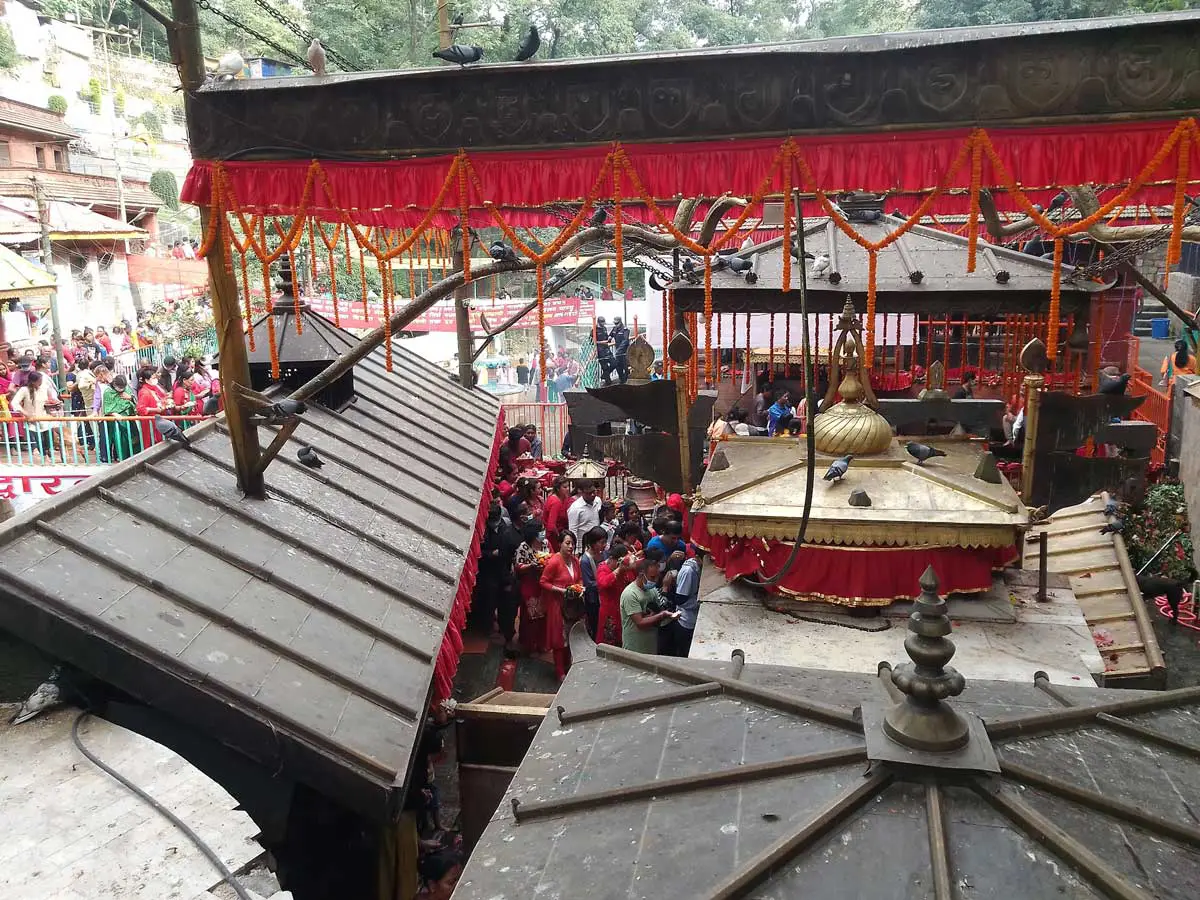
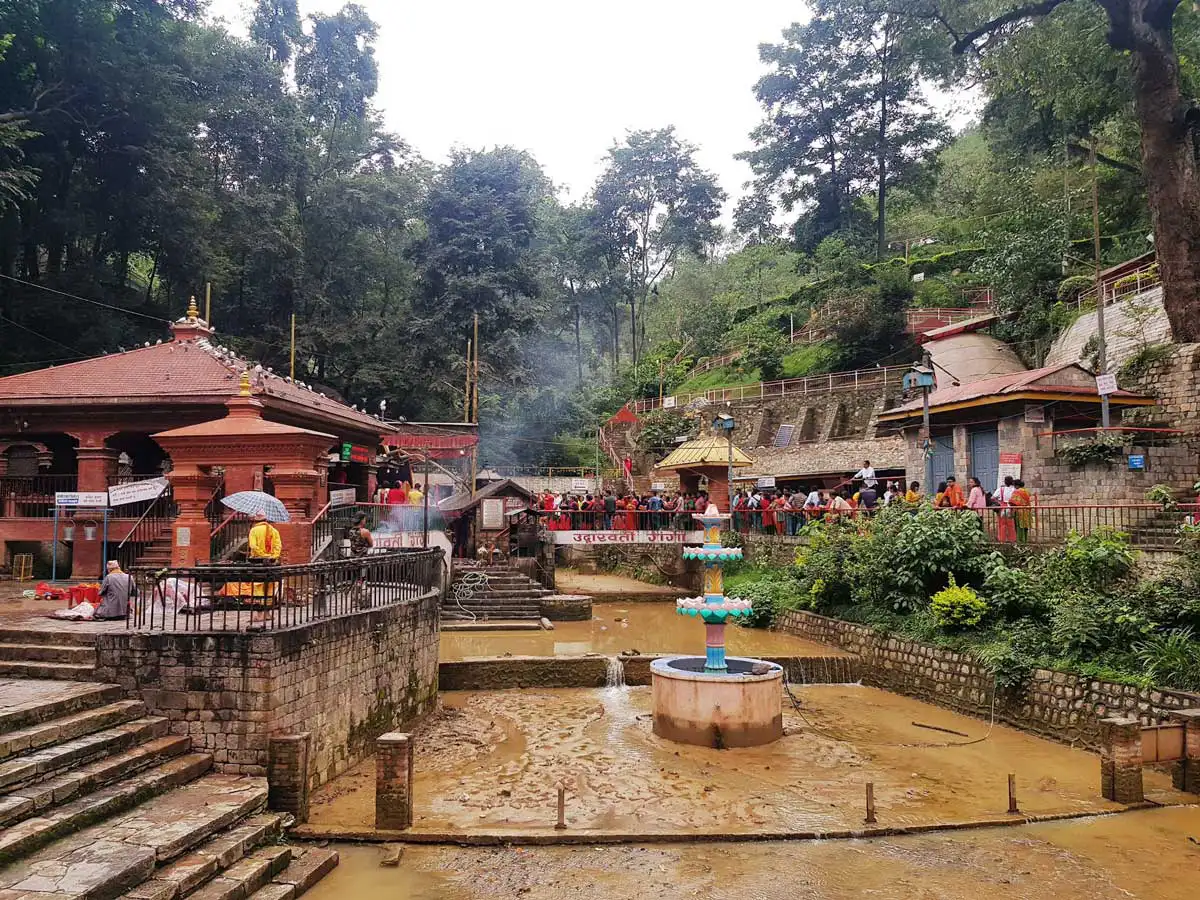
Dakshinkali Temple is one of the most important Shakti shrines in Nepal, dedicated to the fierce goddess Kali. Visitors come here to witness a side of Nepali Hindu practice rarely seen by outsiders — including ritual animal sacrifices performed especially on Tuesdays and Saturdays, the temple’s most active and ceremonially significant days. Beyond the rituals, the temple itself is set in a dramatic forested gorge at the confluence of two rivers, giving it a raw, atmospheric quality that’s very different from the more polished temples in central Kathmandu.
Attractions here include the main shrine housing the black stone image of Kali, the surrounding pilgrim area where devotees prepare offerings, and the natural setting of forested hills framing the temple complex. The experience is sensory and immersive: incense smoke, ringing bells, devotees queuing with offerings, and priests conducting ceremonies in real time. For travelers interested in living religious tradition rather than museum-style history, Dakshinkali offers an unfiltered look at how faith is practiced daily in Nepal. Its relevance to this tour is significant, as it sets the spiritual tone for the rest of the day and is often the single most memorable stop for first-time visitors.
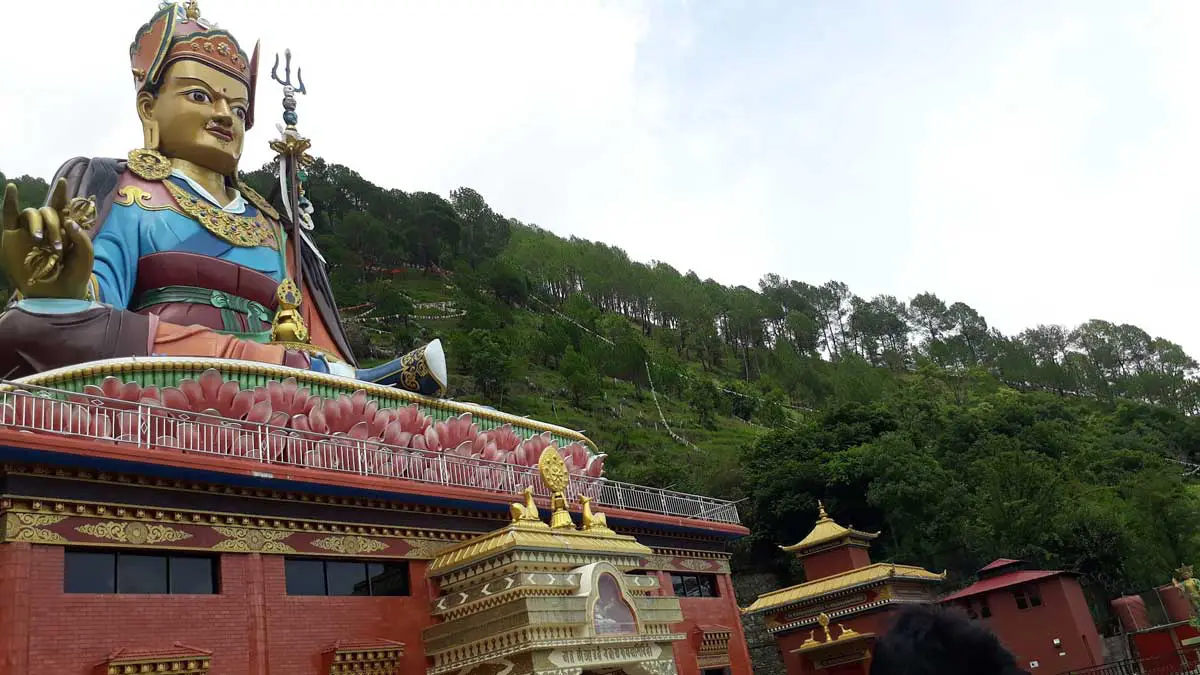
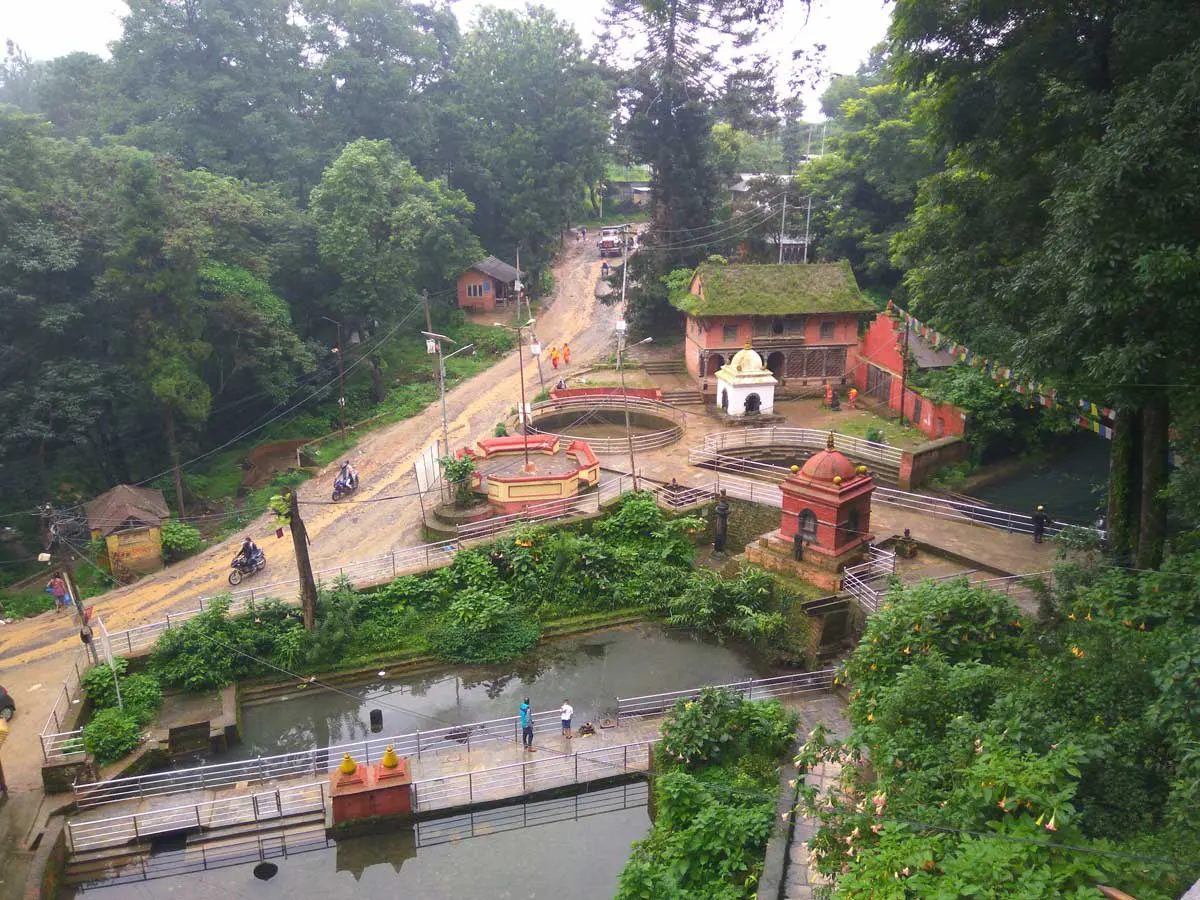
Pharping is a hillside town long regarded as one of the most sacred Buddhist sites in the Kathmandu Valley, closely associated with the 8th-century Tibetan Buddhist master Guru Rinpoche (Padmasambhava). The area is dotted with monasteries, retreat centers, and meditation caves that attract monks, practitioners, and curious travelers alike.
The highlight here is Asura Cave, believed to be the very place where Guru Rinpoche meditated and attained enlightenment — a site of major pilgrimage significance for Tibetan Buddhists. Inside and around the cave, visitors can see handprints and a body imprint said to belong to the master himself, along with butter lamps and prayer flags left by devotees. Nearby monasteries, often featuring vivid murals, prayer wheels, and resident monks, add to the immersive Buddhist atmosphere. Local highlights include the quiet hillside views over the valley and the chance to observe monastic daily life up close. For travelers interested in Himalayan Buddhism, meditation history, or simply peaceful mountain scenery, Pharping is one of the most rewarding stops on this tour.
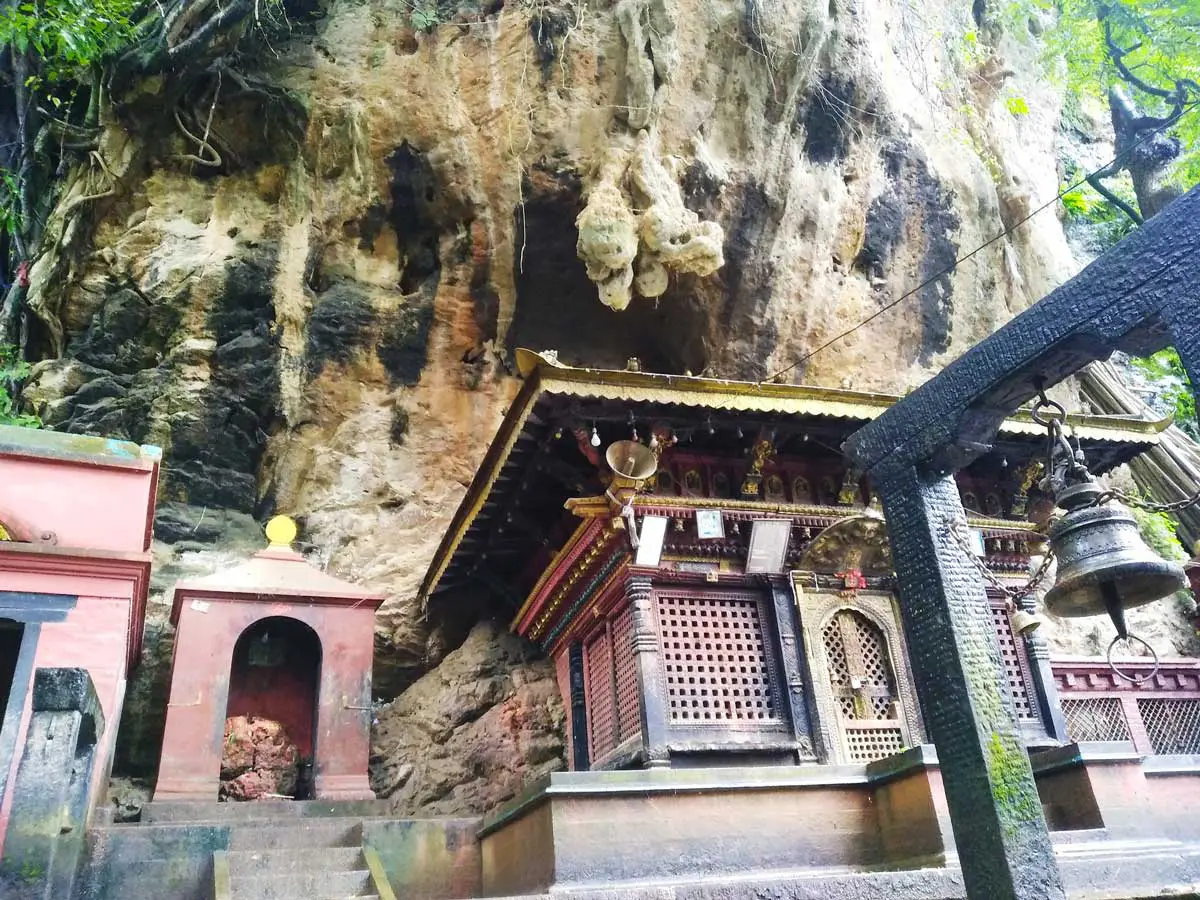
Shesh Narayan Temple is a striking Hindu shrine built into a rock face at the base of Pharping’s hillside, dedicated to Lord Vishnu resting on the serpent Shesh Nag. The temple’s architecture, partly carved into natural stone with a sacred spring nearby, gives it a unique character distinct from typical pagoda-style temples elsewhere in the valley.
Visitors can explore the temple courtyard, the cave-like shrine area, and the natural water source considered holy by local devotees. Experiences here often include watching pilgrims perform rituals at the spring and admiring the intricate stone and wood carvings around the temple. Its local significance lies in its dual identity as both a Hindu and, in some traditions, a Buddhist sacred site, reflecting the religious blending common throughout the Kathmandu Valley. As part of this itinerary, Shesh Narayan adds historical and architectural variety to the day’s spiritual theme.
The Vajrayogini Temple in Pharping is dedicated to the tantric Buddhist deity Vajrayogini and is considered one of the more esoteric and powerful pilgrimage sites in the region. Perched above the town with views over the surrounding hills, it draws both Buddhist practitioners and travelers interested in tantric tradition.
Attractions include the ornately decorated temple structure, prayer flags strung across the hillside, and panoramic views of Pharping below. The experience here tends to be quieter and more contemplative than the busier Dakshinkali stop, offering a moment of calm reflection. Local highlights include interactions with resident caretakers or monks who can share insights into the temple’s tantric significance. For the itinerary, Vajrayogini provides a meaningful contrast — a serene, elevated counterpoint to the more intense ritual energy of Dakshinkali earlier in the day.
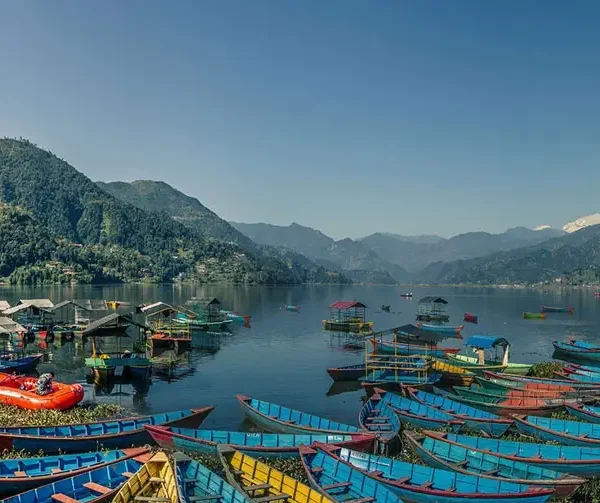
Taudaha Lake is a tranquil, semi-natural lake on the return route to Kathmandu, known both for its mythological roots and its present-day role as a haven for birdlife. According to local legend, the lake is the former home of serpent deities (Nagas) and is considered sacred in Newari tradition.
Visitors come for the peaceful lakeside walk, photography opportunities at sunset, and birdwatching, as the lake hosts numerous migratory and resident bird species, especially in winter months. Local highlights include small lakeside shrines and the surrounding wetland scenery, which offers a calming contrast after a day of temple visits. Taudaha’s relevance to this tour is practical and experiential — it’s a perfectly timed final stop that lets travelers unwind, take memorable photos, and reflect on the day before heading back into the city.
The day begins at 8:00 AM with a comfortable drive from Kathmandu or Bhaktapur towards Dakshinkali, taking you out of the city through the scenic southern hills of the valley. By 9:30 AM, you’ll arrive at Dakshinkali Temple, where you can witness ritual offerings and explore the forested gorge setting of this powerful Shakti shrine. Around 11:00 AM, the tour moves to Pharping, where you’ll explore hillside monasteries and the sacred Asura Cave, linked to Guru Rinpoche’s meditation legacy.
At 1:00 PM, take a relaxed break for an authentic Newari lunch in Pharping, sampling local flavors in a traditional setting. By 2:30 PM, continue to Shesh Narayan and Vajrayogini Temples, two architecturally and spiritually distinct sites offering a quieter, more contemplative experience. On the return journey, around 4:00 PM, the tour stops at Taudaha Lake, a peaceful spot known for birdwatching and photography, especially at golden hour. The day concludes around 5:00 PM with the drive back to Kathmandu or Bhaktapur, marking the end of a culturally rich and well-paced one-day excursion.
Day Summary
| Season | Months | Weather | Suitability | Travel Experience |
|---|---|---|---|---|
| Autumn | September – November | Clear skies, mild temperatures (15–25°C) | Excellent | Best visibility, comfortable walking, vibrant festival season |
| Winter | December – February | Cool to cold, dry, occasional morning fog (5–18°C) | Good | Crisp mornings, fewer crowds, great for photography |
| Spring | March – May | Warm days, blooming rhododendrons (15–25°C) | Excellent | Pleasant weather, lush greenery, good for sightseeing |
| Summer/Monsoon | June – August | Hot, humid, frequent rainfall (20–30°C) | Fair | Lush landscapes but slippery trails and possible delays |
The best time for the Dakshinkali and Pharping one day tour is during autumn (September–November) and spring (March–May), when the weather across the Kathmandu Valley is at its most stable and pleasant. During these months, skies are typically clear, temperatures are comfortable for walking between temple and monastery sites, and visibility for photography at spots like Taudaha Lake and the Pharping hillsides is excellent. Autumn also coincides with major Nepali festivals, adding cultural energy to temple visits.
Winter remains a solid option for travelers who don’t mind cooler mornings, as the dry conditions still allow for smooth travel and the cooler weather can make walking more comfortable. Mornings may be foggy, but this typically clears by mid-morning. Monsoon season (June–August) is the least ideal time, as heavy rainfall can make the unpaved sections of road to Dakshinkali and Pharping slippery, and outdoor temple areas less comfortable to explore. That said, the tour can still run during monsoon months with some flexibility built into the schedule, and the surrounding hills are noticeably greener. For the most reliable and enjoyable experience, autumn and spring remain the top recommended seasons.
The total round-trip distance for the Dakshinkali and Pharping one day tour from Kathmandu is approximately 50–55 kilometers, covering the route through Kalanki, Balkhu, Chalnakhel, and onward to Pharping and Dakshinkali. From Bhaktapur, the distance is slightly longer, adding roughly 25–30 minutes of extra travel time through central Kathmandu before joining the same southern route. The journey takes travelers from the dense urban core of the valley into quieter, hillier terrain on the valley’s southern rim, offering a noticeable shift in scenery as the trip progresses.
The road from Kathmandu to Balkhu and onward to Chalnakhel is mostly paved and in reasonably good condition, suitable for private vehicles year-round. The final stretch from Chalnakhel to Pharping and Dakshinkali has seen significant improvement in recent years, though some sections may still have rough patches, especially after heavy monsoon rains. Drivers familiar with the route generally navigate it without difficulty, but travelers should expect some bumps and winding hillside roads as they approach Pharping.
This tour is most comfortably done by private vehicle (car, jeep, or van depending on group size), which is the method used in this itinerary. A private vehicle allows flexible stops, air-conditioned comfort, and a guide on board to provide context at each site. Local buses also operate from Balkhu to Pharping, but they involve longer waiting times, crowded conditions, and less flexibility for multi-stop sightseeing, making them less practical for a structured one-day tour.
The drive from Kathmandu to Dakshinkali takes approximately 60–75 minutes under normal traffic conditions, while Bhaktapur departures add an additional 25–30 minutes. Travel between Dakshinkali, Pharping, and Taudaha Lake on the return leg is short, generally 15–30 minutes between each stop, since all sites are clustered within the same southern valley area.
Since the Dakshinkali and Pharping one day tour is a single-day excursion departing and returning the same day, no accommodation is included or required as part of the itinerary itself. Travelers stay in their existing hotel or guesthouse in Kathmandu or Bhaktapur before and after the tour, and the trip is structured to fit comfortably within a normal day, from 8:00 AM departure to 5:00 PM return. This makes it an ideal add-on for travelers who don’t want to commit extra nights away from their base in the valley.
For travelers staying in Kathmandu before or after this tour, the city offers a wide range of hotel categories to suit different budgets and comfort levels. Budget travelers can find clean, simple guesthouses in areas like Thamel starting from modest nightly rates, while standard three-star hotels offer private bathrooms, Wi-Fi, and breakfast service. Deluxe and luxury hotels, concentrated mainly around Durbar Marg and Lazimpat, provide higher-end amenities such as spas, restaurants, and airport transfer services. Most hotels in central Kathmandu are within a short drive of the pickup point for this tour, making early morning departures convenient.
Bhaktapur offers a smaller but distinctive range of accommodation, often set within or near the historic Durbar Square area. Boutique heritage hotels here provide a more immersive cultural experience, with traditional Newari architecture, courtyards, and locally inspired interiors. Standard and budget guesthouses are also available for travelers seeking simpler options. Facilities vary by property but generally include private rooms, hot showers, and breakfast service, with a quieter, more traditional atmosphere compared to central Kathmandu.
Across both cities, mid-range and higher-category hotels typically include amenities such as private bathrooms, reliable hot water, Wi-Fi access, and on-site dining. Budget guesthouses may have shared facilities in some cases, so travelers prioritizing comfort should opt for standard category or above. Since this tour doesn’t involve overnight stays in remote areas, travelers can expect consistent city-level comfort and facilities throughout their stay before and after the Dakshinkali and Pharping day trip.
The Dakshinkali and Pharping one day tour does not include any meals as part of the package price. While the itinerary includes a scheduled lunch stop in Pharping around 1:00 PM, this meal is at the traveler’s own expense and is not pre-arranged or covered by the tour cost. Breakfast and dinner also fall outside the tour and are taken independently at your hotel in Kathmandu or Bhaktapur before and after the trip.
Pharping offers an excellent opportunity to try authentic Newari food, one of the most distinctive culinary traditions in the Kathmandu Valley, during the scheduled lunch break. Local restaurants commonly serve dishes such as bara (lentil patties), chatamari (a rice-flour crepe often called “Newari pizza”), choila (spiced marinated meat), and seasonal vegetable curries paired with beaten rice (chiura) or steamed rice. Since meals aren’t included, travelers can choose a restaurant or dish that suits their taste and budget, with guidance from the tour guide on good local options.
Vegetarian travelers will find plenty of suitable options in Pharping’s local eateries, as Newari cuisine includes a wide range of vegetable, lentil, and dairy-based dishes. Common vegetarian choices include vegetable curries, lentil soup (dal), potato dishes (aloo achar), and beaten rice combinations. Since meals are arranged independently, travelers with dietary restrictions (vegan, gluten-free, or allergies) have full flexibility to choose restaurants or dishes that meet their needs, and can ask their guide for recommendations.
As this is a one-day sightseeing tour rather than a multi-day trek, meal arrangements are simple and flexible. Travelers should budget separately for lunch in Pharping, along with any snacks or drinks they’d like during the day. Carrying some cash for the lunch stop and bringing water for the journey is recommended, since there’s no pre-arranged set menu and choices will depend on personal preference at the time.
Comfortable, weather-appropriate clothing makes the biggest difference on this tour, since you’ll be walking short distances between temples, caves, and viewpoints throughout the day. Layering works best in the Kathmandu Valley, as mornings can be cool even when afternoons warm up considerably, especially in autumn and winter months.
Since the day involves walking on temple grounds, hillside paths, and uneven surfaces around Pharping and Asura Cave, proper footwear is essential for comfort and safety.
Weather across the valley changes by season, so checking conditions before departure helps travelers pack appropriately and avoid surprises during the trip.
Since meals and personal expenses aren’t included, having sufficient Nepali rupees on hand ensures a smooth day without delays at lunch stops or small vendors.
Staying connected is straightforward in the Kathmandu Valley, though signal strength can vary slightly in hillside areas like Pharping.
This tour reaches a maximum altitude of around 1,850 meters, which is low enough that altitude sickness is not a concern for most travelers.
Respecting local customs enhances the experience and is especially important at active religious sites like Dakshinkali, where rituals are performed daily.
Dakshinkali Temple performs ritual animal sacrifices, particularly on Tuesdays and Saturdays, and this is a genuine part of the cultural and religious experience here. Travelers sensitive to this practice should be mentally prepared beforehand, as it can be intense for first-time visitors.
A few practical items help the day run smoothly, especially since the tour involves multiple stops and no included meals.
The Dakshinkali and Pharping one day tour offers couples a meaningful break from the usual sightseeing routine, blending scenic drives with quiet, reflective moments at temples and viewpoints. The relaxed pace allows time to enjoy the Newari lunch together and unwind at peaceful spots like Vajrayogini Temple and Taudaha Lake without feeling rushed. Couples looking for a culturally rich day that doesn’t require physical exertion will find this itinerary well-suited to their interests, with plenty of scenic backdrops for shared memories along the way.
Solo travelers benefit from the structured, guided nature of this tour, which removes the hassle of navigating local transport or planning logistics independently. With a private vehicle and knowledgeable guide, solo visitors can focus entirely on the experience rather than worrying about safety or directions. The day’s mix of temples, caves, and lakeside scenery also offers plenty of opportunities for personal reflection, journaling, or simply taking time to absorb the spiritual atmosphere at each stop.
This tour works well for families thanks to its easy difficulty level and flexible pacing, with no strenuous walking or technical terrain involved. Children can engage with the cultural and natural elements of the trip, from spotting birds at Taudaha Lake to exploring monastery courtyards in Pharping. Parents should note that the animal sacrifice rituals at Dakshinkali may not be suitable for younger or sensitive children, and can choose to limit that portion of the visit if needed, while still enjoying the rest of the day together.
Seniors will appreciate the comfortable private transport and minimal walking required throughout the day, as most sites involve short, manageable distances on relatively even terrain. The pacing allows for breaks between stops, and the overall trip difficulty remains easy, making it accessible for older travelers without major mobility concerns. The cultural depth of the itinerary, combined with low physical demand, makes this an ideal choice for seniors wanting an enriching day out without the strain of longer treks.
While this isn’t a trekking package, trekkers preparing for longer Himalayan routes often use day tours like this as a low-impact way to acclimatize to Nepal’s culture and pace before heading into the mountains. The light walking involved between temple sites offers a gentle warm-up, and the cultural context gained here — particularly around Buddhist sites in Pharping — adds valuable background for trekkers heading toward regions with strong Tibetan Buddhist influence.
Photographers will find consistent opportunities throughout the day, from the dramatic forested gorge setting of Dakshinkali to the prayer flags and hillside views around Pharping’s monasteries. Taudaha Lake, especially in the late afternoon light, offers some of the best photography conditions on the route, with birdlife and calm water creating strong compositional opportunities. The variety of architectural styles across temples and monasteries also gives photographers diverse subject matter within a single day.
For travelers primarily interested in cultural immersion, this tour delivers a dense, authentic experience within a short timeframe. The combination of active Hindu ritual practice at Dakshinkali and Tibetan Buddhist heritage in Pharping offers a rare side-by-side look at two major religious traditions coexisting in the same valley. Culture seekers will particularly value the unscripted, real-world nature of these sites, where rituals and monastic life continue daily rather than being staged for tourism.
Given the itinerary’s heavy focus on active religious sites, this tour is especially well-suited to travelers on a personal spiritual journey or pilgrimage. With stops spanning Hindu Shakti worship, Tibetan Buddhist meditation caves, and tantric temples, the day offers a uniquely diverse pilgrimage experience within the Kathmandu Valley. Travelers seeking genuine religious significance, rather than purely tourist attractions, will find this itinerary particularly meaningful and rewarding.
There may be occasions when you find yourself needing to cancel your trip due to an emergency or other unforeseen circumstances. In such cases,

1-3 Person

4-6 Person

3-5 Person

7-12 Person

13-18 Person

19-30 Person

I joined the Dakshinkali and Pharping One Day Tour during my stay in Kathmandu, and it was a wonderful experience. Visiting the Dakshinkali Temple gave me a chance to witness an important part of Nepalese religious culture, while Pharping offered a peaceful atmosphere with beautiful monasteries and sacred sites.
Our guide explained the history and local traditions in a simple and engaging way, which made the visit much more meaningful. The itinerary was well planned, and there was enough time to explore each place without feeling rushed.
The private transportation was clean and comfortable, and the driver was professional throughout the trip. If you’re interested in spirituality, history, or simply want to discover places beyond the city center, I highly recommend this tour.