The 9 days Nepal tour is one of the most balanced and rewarding travel experiences available in South Asia. Designed for international travelers, this 8 night 9 day circuit takes you through Nepal’s three iconic destinations — Kathmandu, Pokhara, and Chitwan. Together, they represent Nepal’s cultural heritage, natural beauty, and wildlife diversity. Starting in Kathmandu, you explore ancient temples, UNESCO World Heritage Sites, and vibrant bazaars. Then you travel west to Pokhara, a lakeside city framed by Himalayan peaks, before heading south to Chitwan National Park for jungle adventures. Each leg of the journey offers a completely different Nepal experience within a single compact itinerary.
This Nepal 9 day itinerary suits couples, families, senior travelers, solo explorers, and first-time visitors equally well. The trip does not require prior trekking experience and involves moderate walking on flat or gentle terrain. Accommodation ranges from comfortable standard hotels to deluxe lakeside resorts, depending on your budget preference. Overall, this tour delivers incredible cultural depth, scenic landscapes, and wildlife encounters — all within nine well-paced days.
This 9 days Nepal tour is uniquely structured to deliver three completely different travel experiences without overwhelming your schedule. Most Nepal packages focus only on Kathmandu or trekking. However, this itinerary smartly combines UNESCO heritage, Himalayan scenery, and jungle wildlife in one seamless journey.
Transportation is arranged by private vehicle throughout. Therefore, you are never dependent on crowded public buses. Each destination transition is planned to maximize your sightseeing time while keeping travel fatigue minimal. Accommodation is confirmed in advance, so there is no uncertainty on arrival.
This package works exceptionally well for:
Compared to longer Nepal packages, this 9-day format provides outstanding value. You cover more ground in fewer days. Additionally, the itinerary avoids unnecessary repetition and packs genuine experiences into each day without filler activities.
Guides on this tour are licensed by the Nepal Tourism Board. They carry deep local knowledge about heritage sites, wildlife, and regional culture. Consequently, your experience goes beyond surface-level sightseeing.
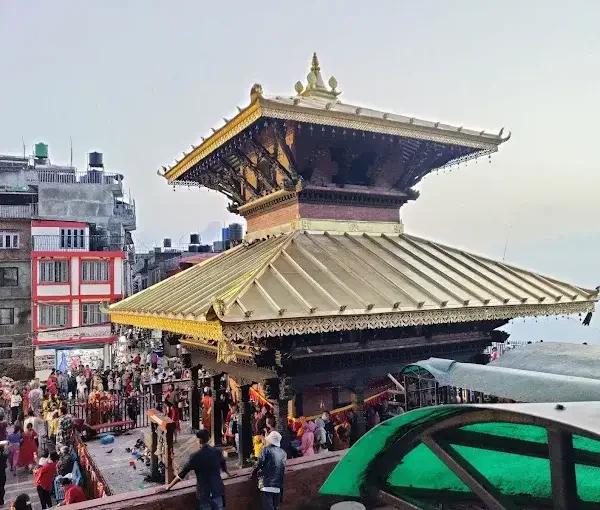
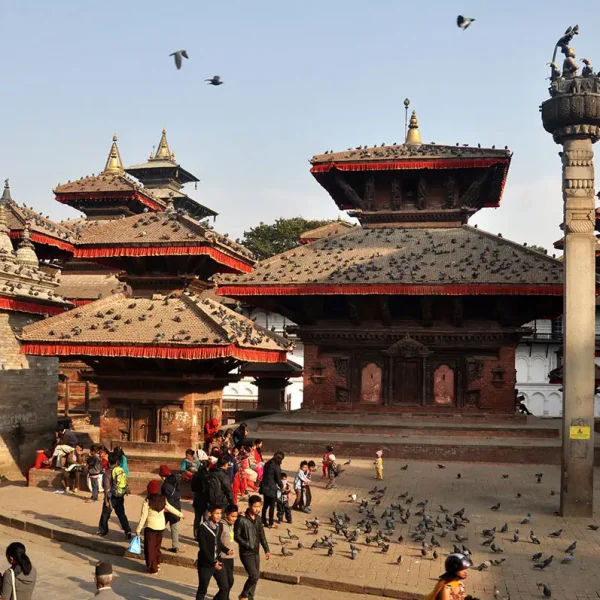
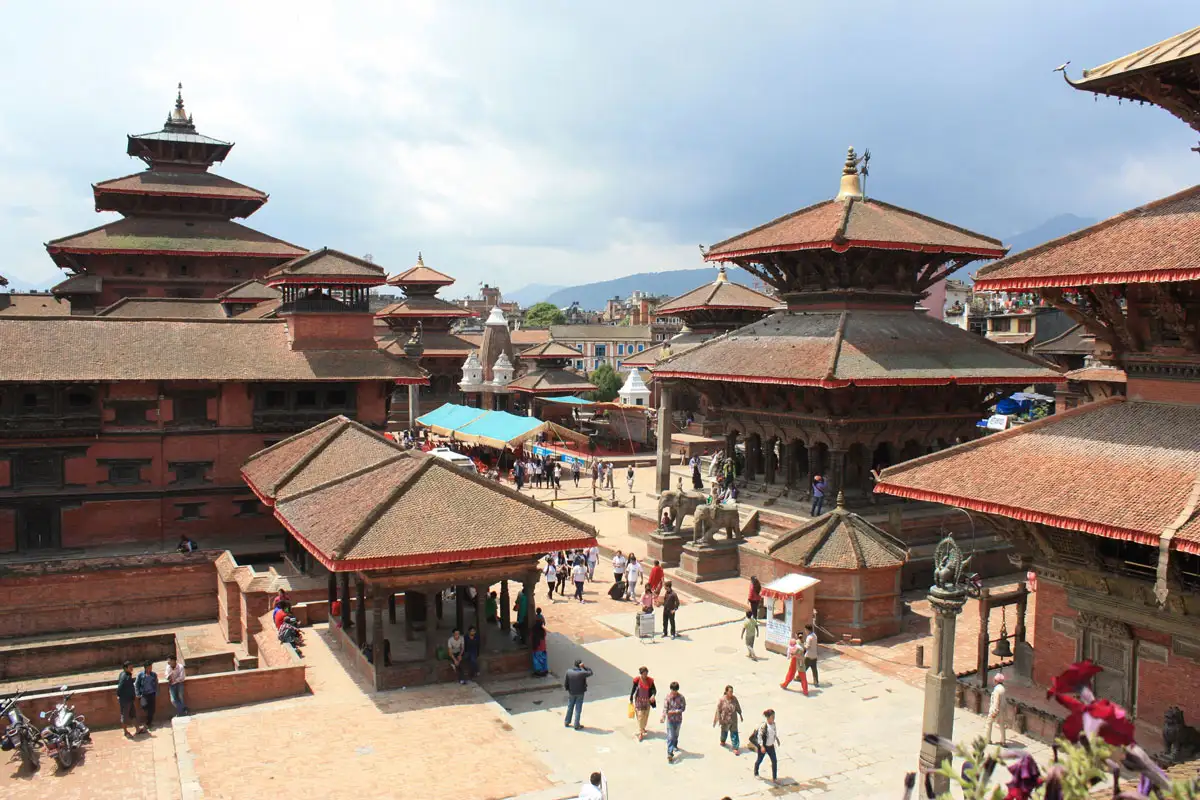
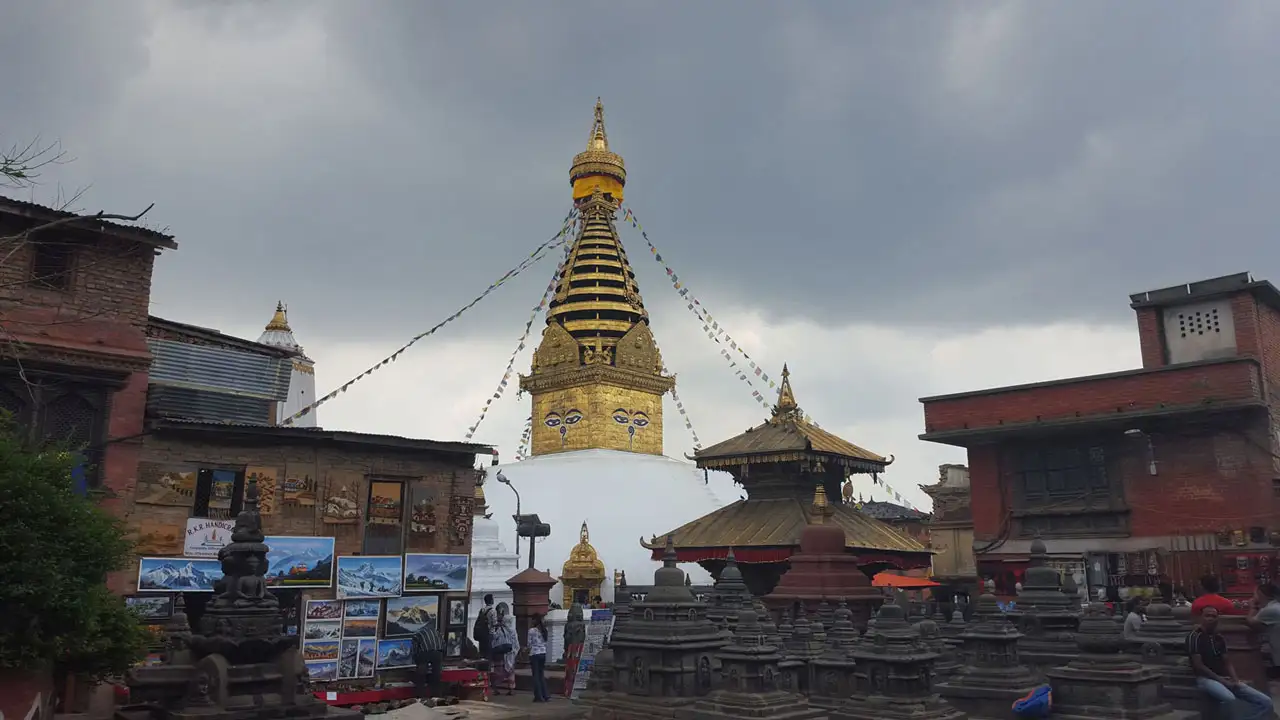
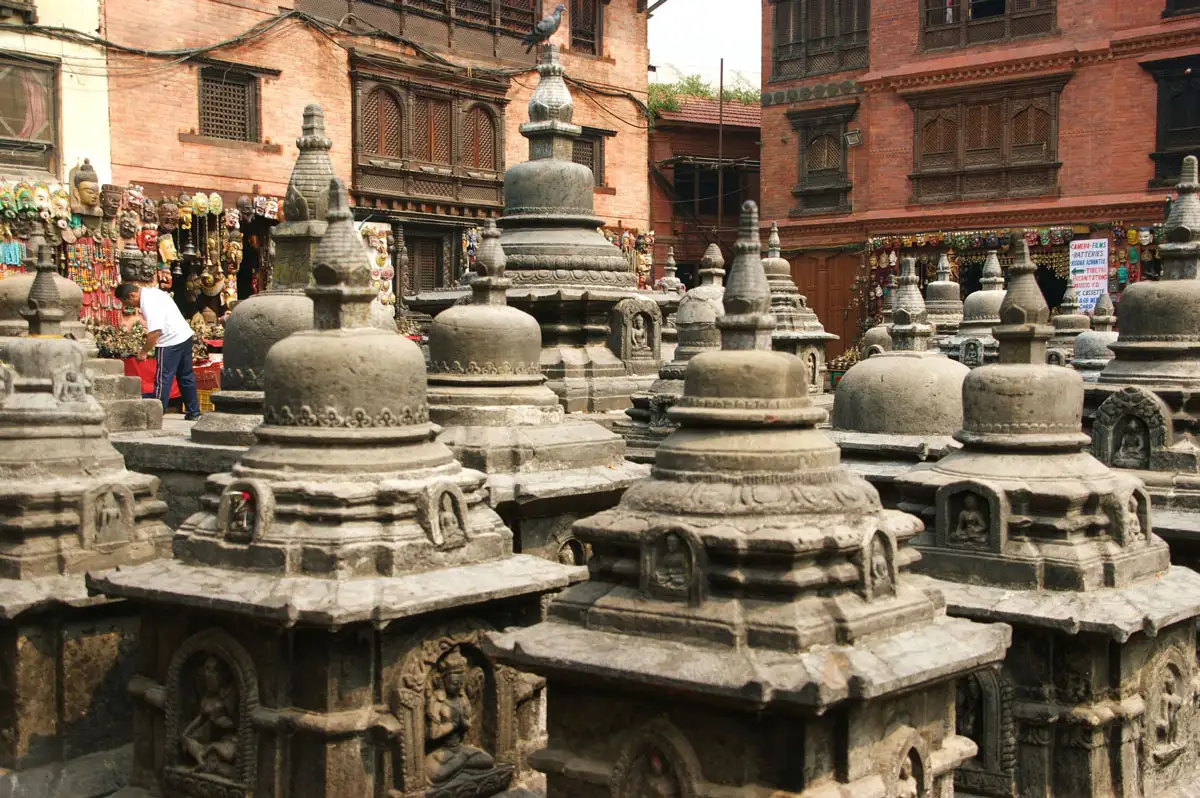
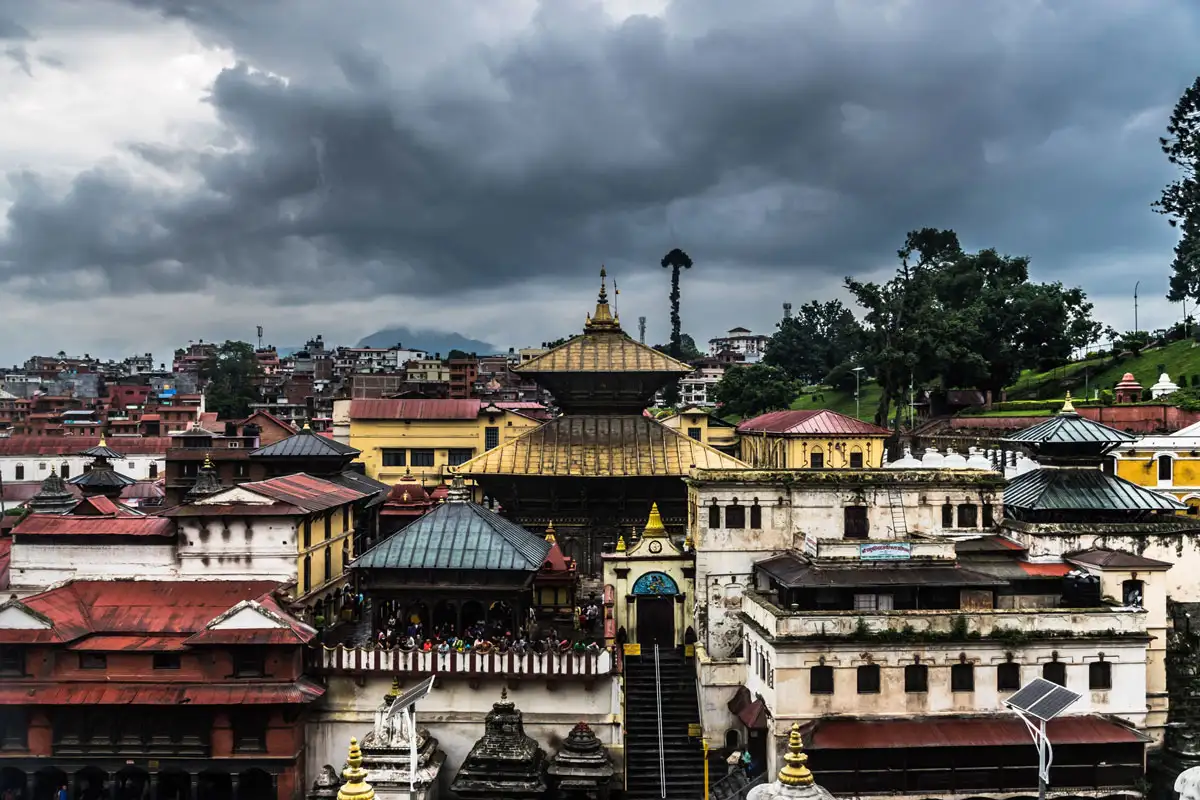
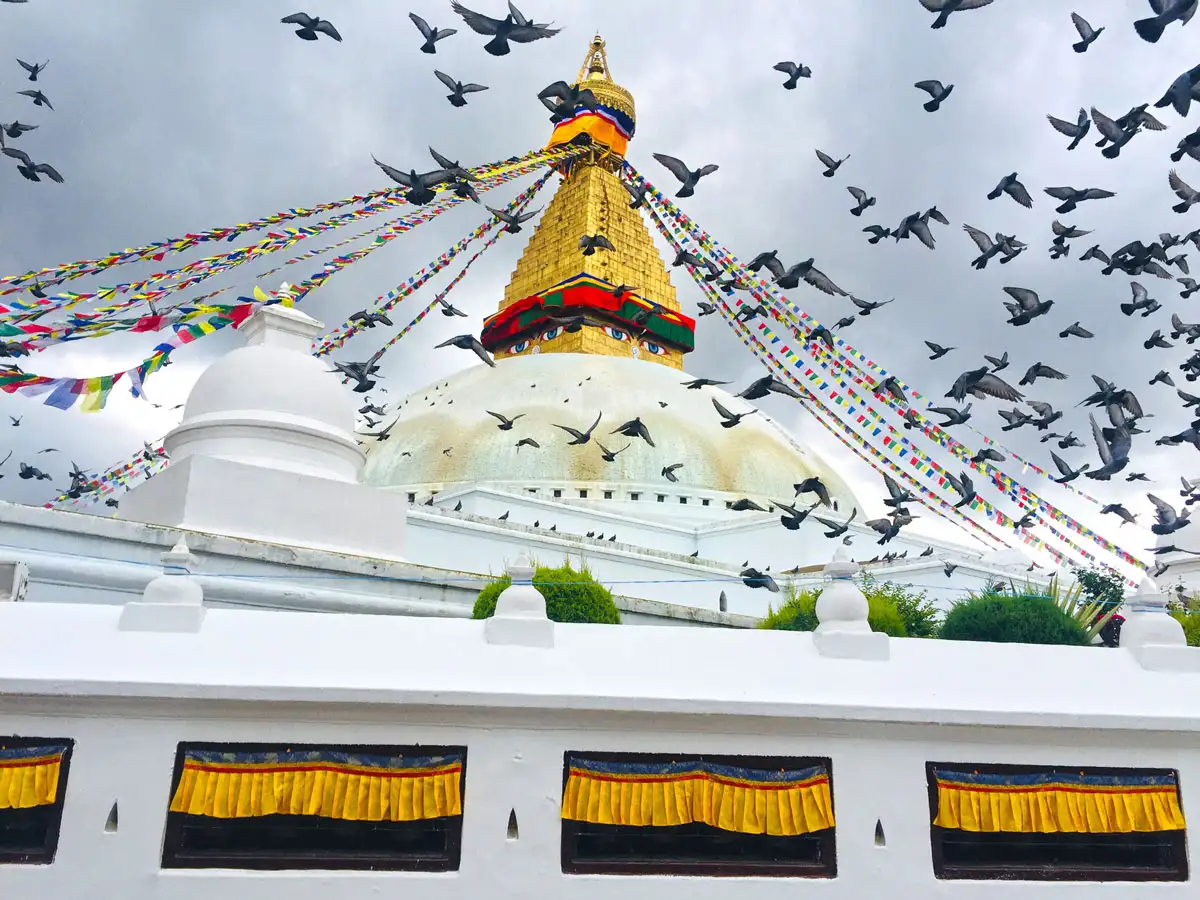
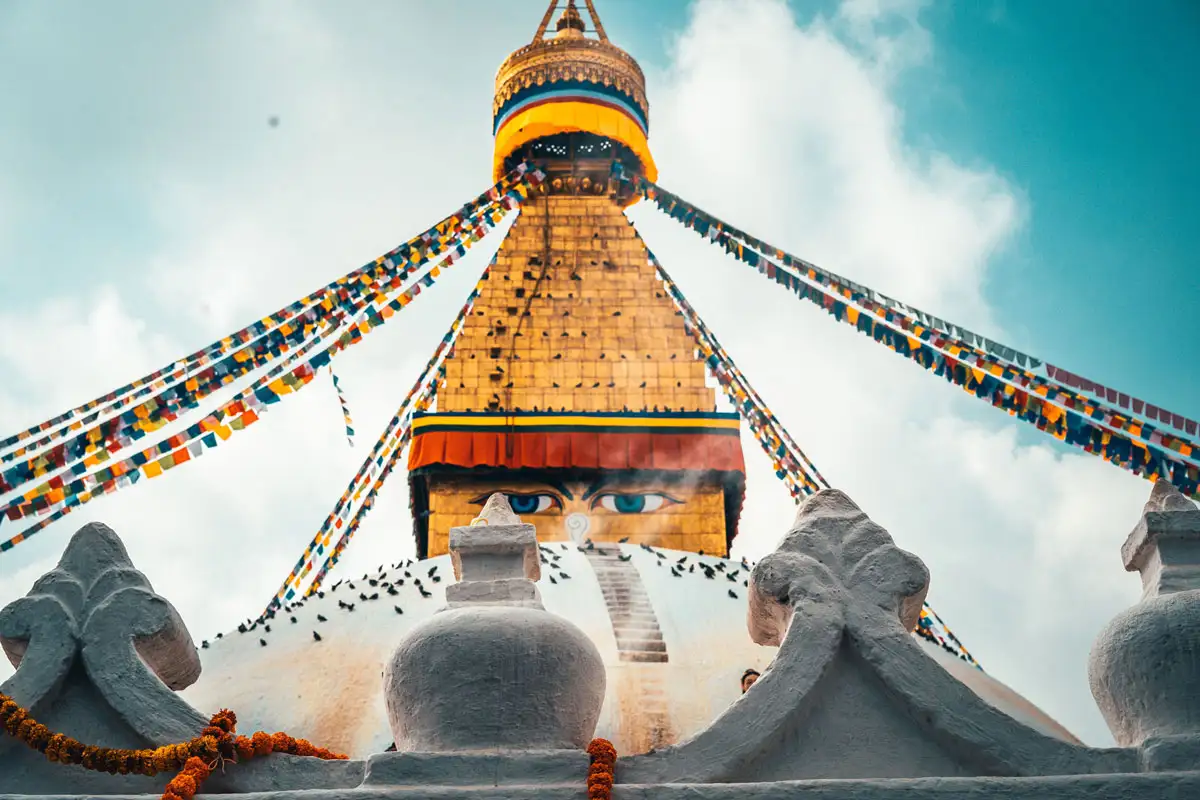
Kathmandu is the starting point of this 9 days Nepal tour. As the country’s capital, it holds four UNESCO World Heritage Sites within city limits. Travelers visit Swayambhunath (Monkey Temple), Boudhanath Stupa, Pashupatinath Temple, and Patan Durbar Square. Each site tells a different chapter of Nepal’s religious and architectural history.
Beyond temples, Kathmandu offers lively neighborhoods like Thamel, filled with restaurants, shops, and live music venues. The city blends ancient Newari craftsmanship with modern Nepali life. Furthermore, the local bazaars sell handmade thangka paintings, singing bowls, pashmina, and spices. Kathmandu is dense, vibrant, and endlessly fascinating.
Key attractions:
Nagarkot sits 32 km east of Kathmandu at 2,175 meters above sea level. It is famous for panoramic Himalayan views that stretch from Dhaulagiri in the west to Kanchenjunga in the east on clear days. Most visitors come here specifically for the sunrise over the mountains.
After a full day in Bhaktapur, an overnight stay in Nagarkot adds a magical dimension to the Kathmandu Valley experience. The cool mountain air, peaceful atmosphere, and glowing morning horizon make it unforgettable. Moreover, Nagarkot is the ideal transition point before heading toward Pokhara.
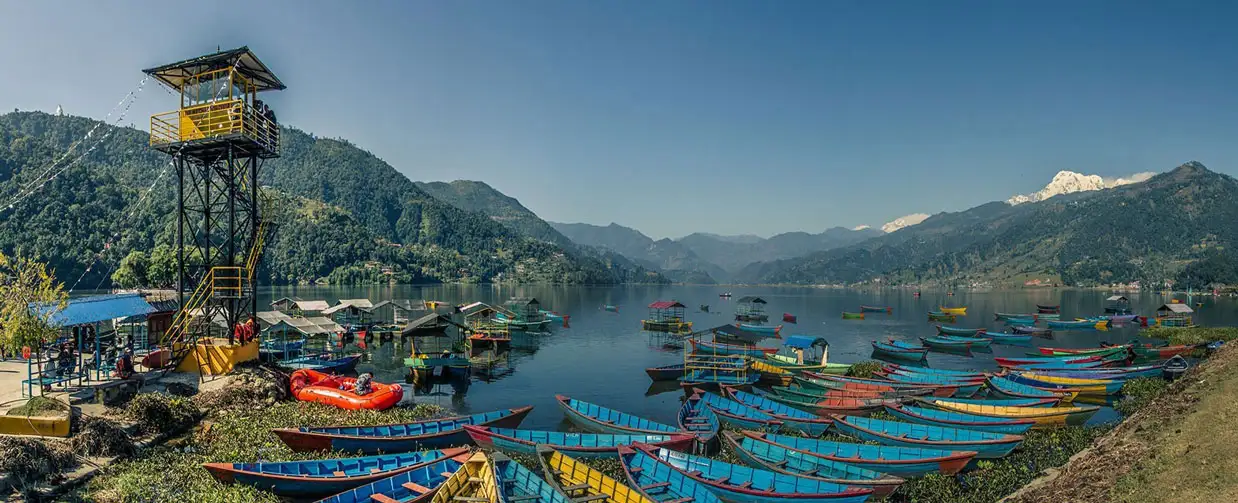
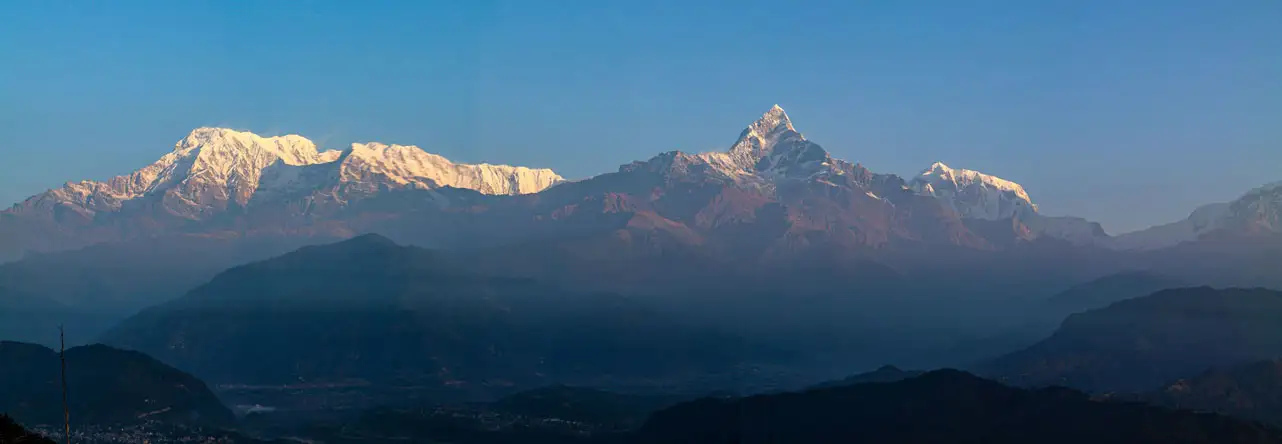
Pokhara is widely regarded as Nepal’s most beautiful city. Located 200 km west of Kathmandu, it sits at the edge of Phewa Lake with the Annapurna and Machhapuchhre (Fishtail) peaks rising dramatically behind it. The city is the gateway to the Annapurna region but equally rewarding for non-trekkers.
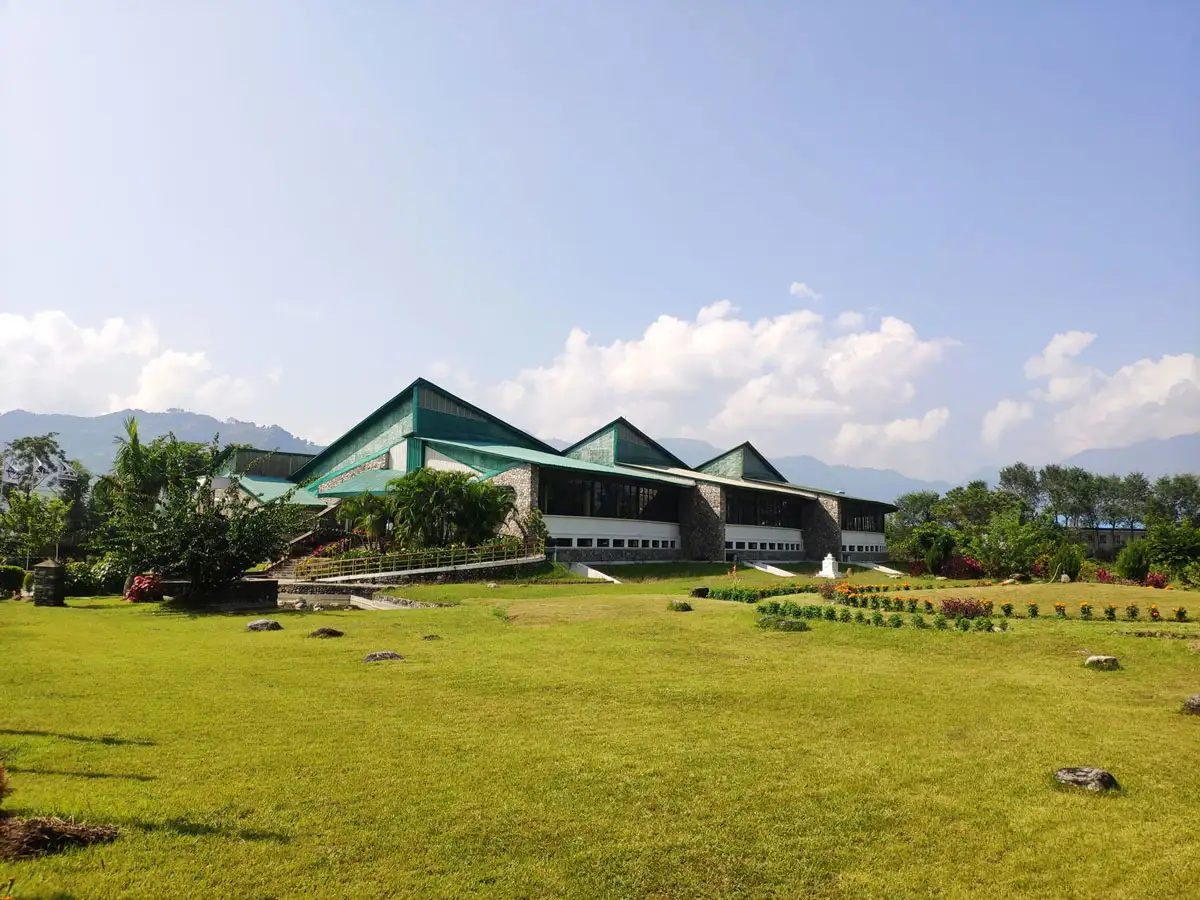
Sarangkot Hill offers the most famous sunrise view over the Himalayan range. Additionally, Phewa Lake is perfect for morning boating. The World Peace Pagoda stands on a hilltop overlooking both the lake and the mountains. Davis Falls, Gupteshwor Cave, and the International Mountain Museum round out the highlights.
Key attractions:
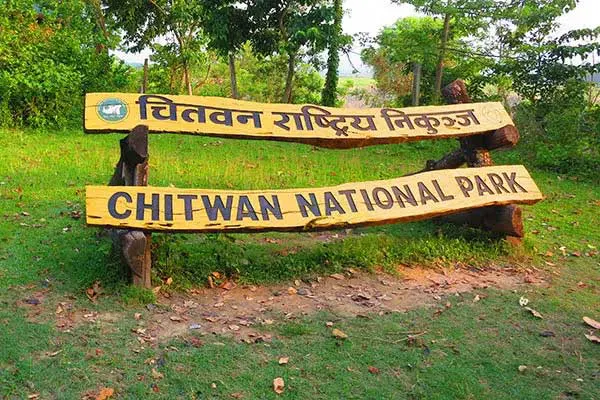
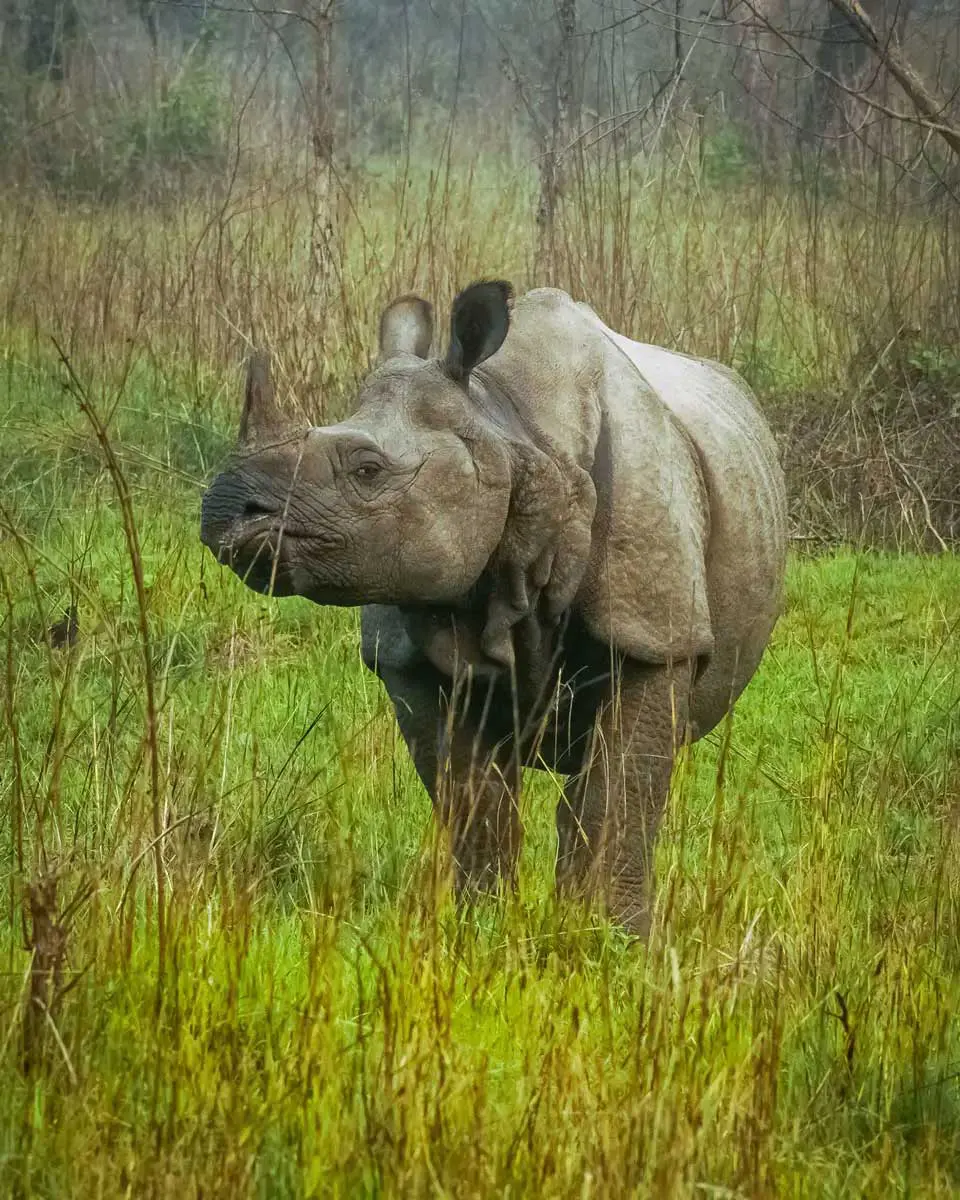
Chitwan National Park is a UNESCO World Heritage Site in the Terai lowlands of southern Nepal. It is home to the one-horned rhinoceros, Bengal tiger, gharial crocodile, Asian elephant, and over 500 bird species. The park covers 952 square kilometers of dense forest and grassland.
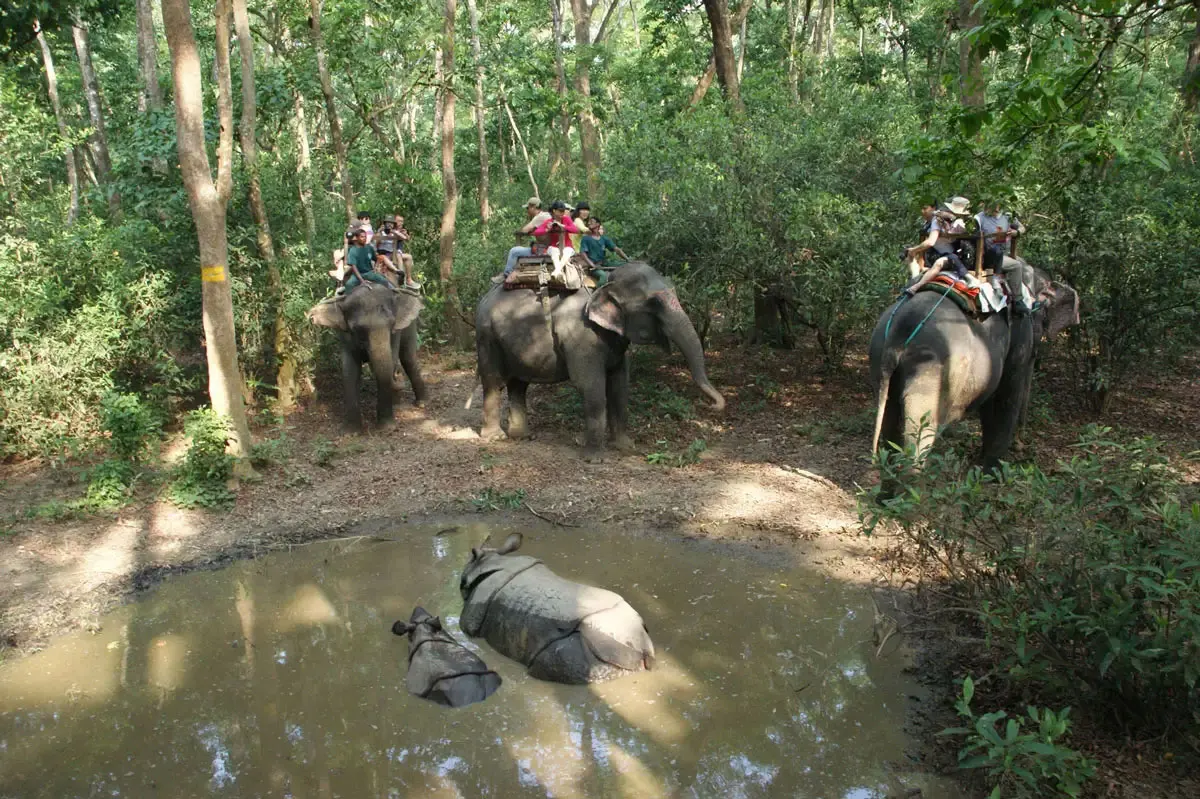
Beyond wildlife, Chitwan offers rich Tharu cultural experiences. The indigenous Tharu people have lived alongside these jungles for centuries. Their traditional stick dance (cultural show) is performed each evening and is genuinely captivating. Activities like canoe rides, jungle safaris, and elephant encounters make Chitwan the most action-packed part of this tour.
Key activities:
Your 9 days Nepal tour begins the moment you land at Tribhuvan International Airport (TIA). A dedicated airport representative greets you with a welcome sign and transfers you privately to your hotel in Kathmandu. After check-in, take time to rest and acclimatize to the city’s energy. Your guide will meet you for a trip briefing in the evening, covering the itinerary, safety guidelines, and local tips. If energy permits, a short walk through the Thamel neighborhood gives an immediate feel of Nepal’s vibrant street culture.
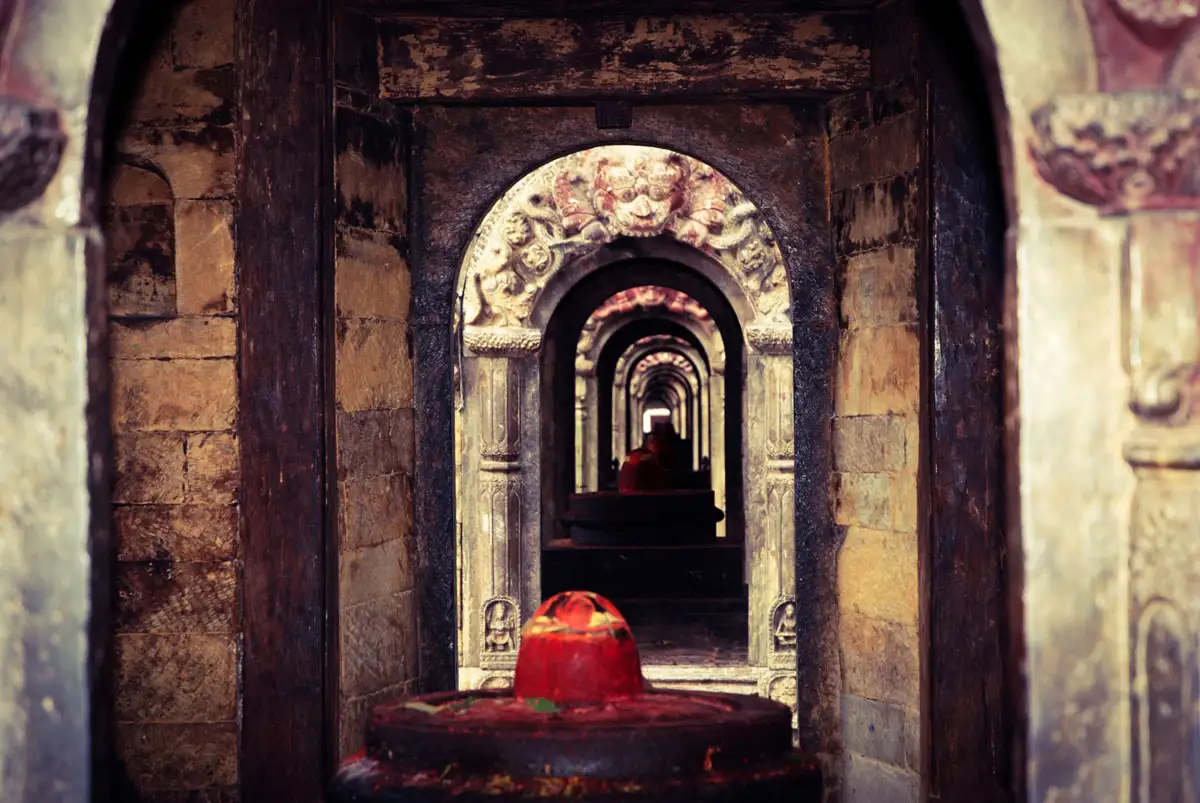
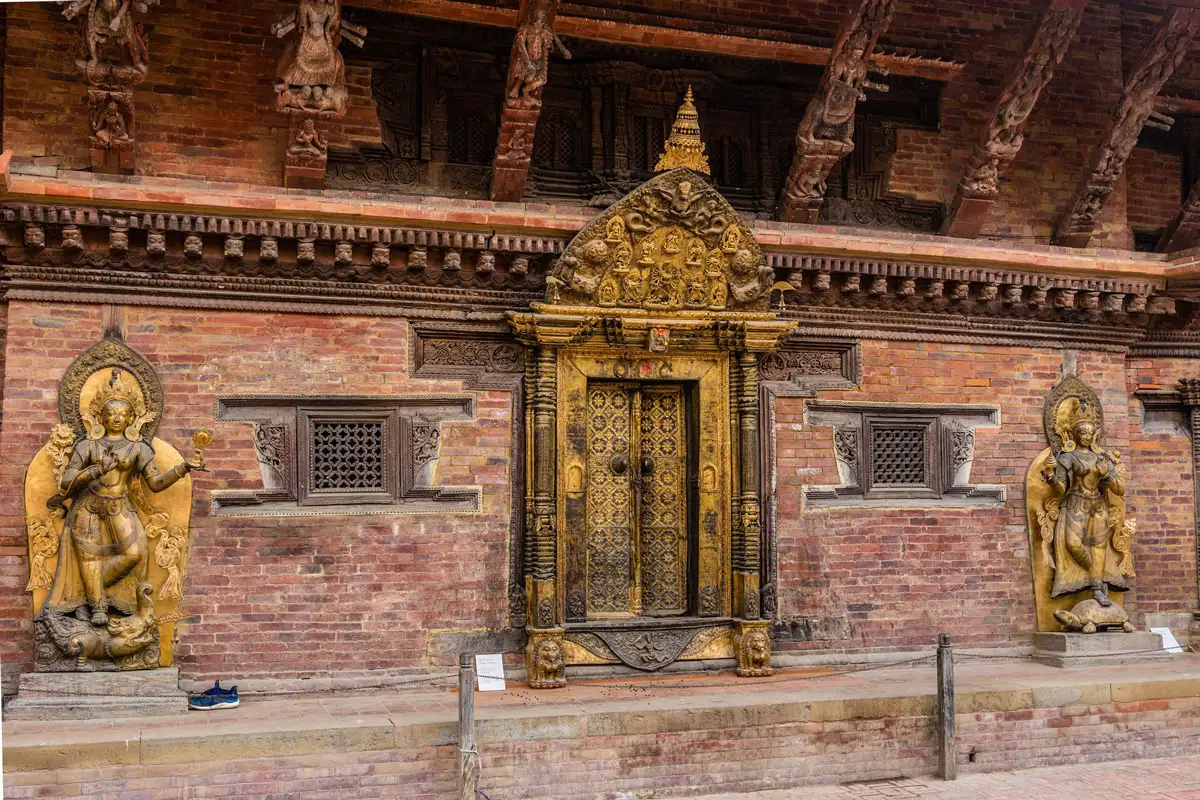
Today covers four major UNESCO World Heritage Sites across Kathmandu Valley. Start early at Swayambhunath, the ancient hilltop Buddhist stupa also known as the Monkey Temple. Next, head to Patan Durbar Square in the neighboring city of Lalitpur, famous for its extraordinary Newari bronze craftsmanship and medieval palace complex. After lunch, visit Pashupatinath Temple — Nepal’s holiest Hindu shrine along the sacred Bagmati River, where cremation rituals happen openly on the riverside ghats. Finally, end the day at Boudhanath Stupa, one of the largest stupas in the world and a living center of Tibetan Buddhist culture in Nepal.
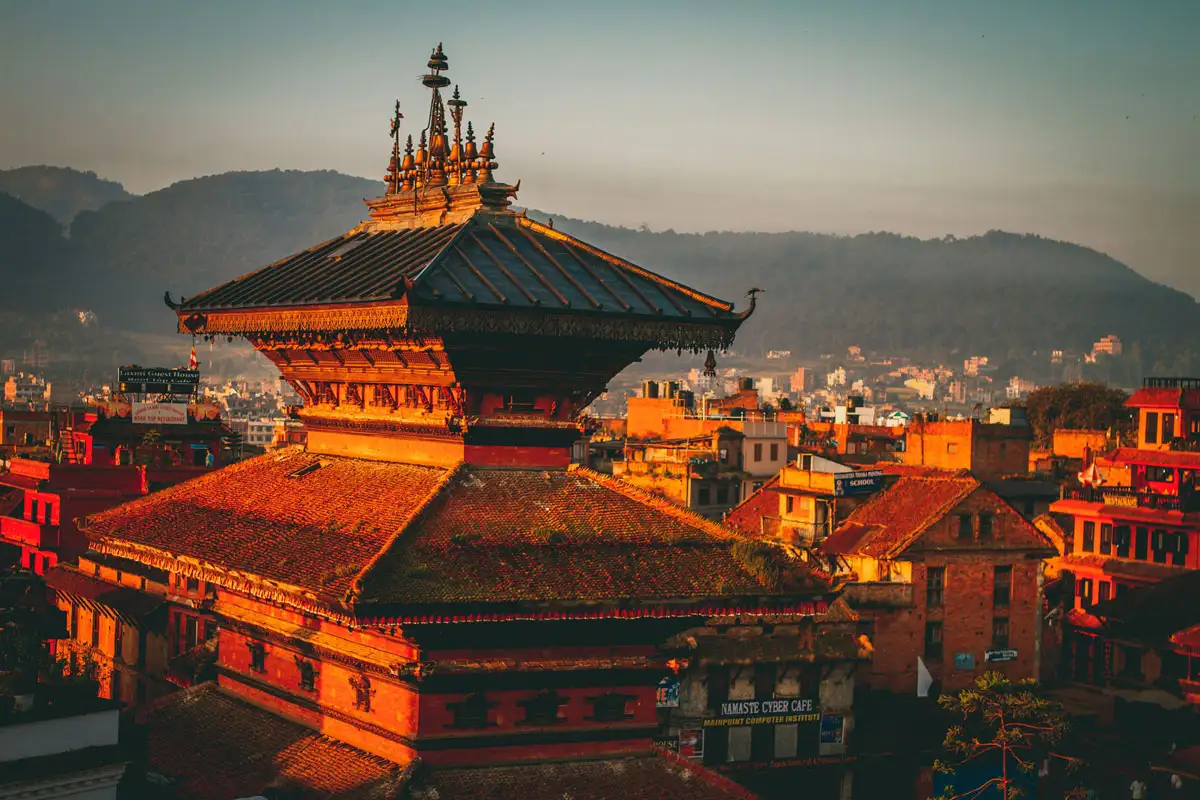
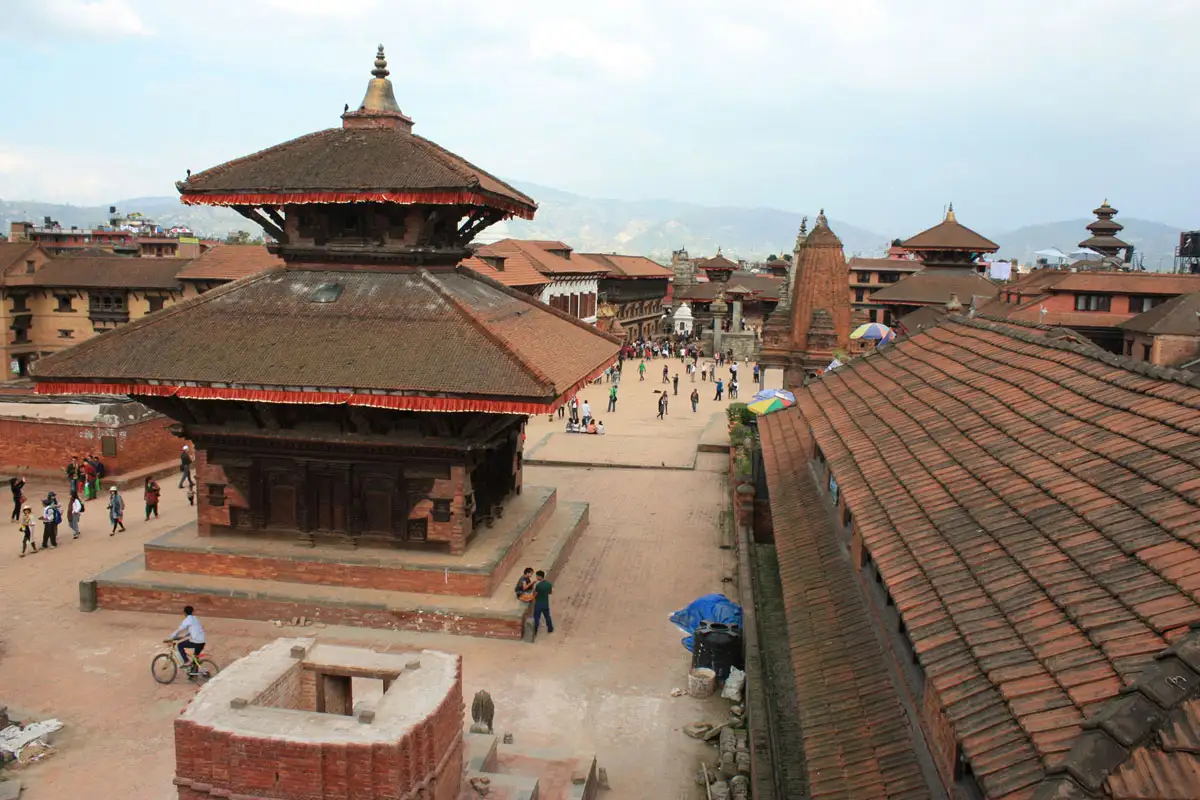
Leave Kathmandu after breakfast and drive 13 km east to Bhaktapur, one of the best-preserved medieval cities in Asia. Bhaktapur Durbar Square is a masterpiece of Newari architecture, featuring Nyatapola Temple (the tallest pagoda in Nepal), 55-Window Palace, and the Golden Gate. Take time to walk through the pottery square and observe traditional craft-making still practiced by locals today. Afterward, continue the 32 km uphill drive to Nagarkot. Arrive in the late afternoon, settle into your hillside hotel, and enjoy the evolving Himalayan panorama as daylight fades. On a clear evening, the silhouettes of distant snow peaks are breathtaking.
Wake up early for the famous Nagarkot sunrise over the Himalayan range. Then descend and begin the scenic 200 km drive west toward Pokhara. En route, stop at Manakamana Temple — a revered Hindu shrine accessible by cable car that offers aerial views of the Trishuli River gorge and surrounding hills. The cable car ride takes approximately 10 minutes each way and is an experience in itself. After the temple visit, continue driving along the Prithvi Highway, which follows the Trishuli and Marsyangdi rivers through dramatic gorge landscapes. Arrive in Pokhara by late afternoon and check into your lakeside hotel.
Start the day at Sarangkot before sunrise. The 1,592-meter hilltop viewpoint provides one of Nepal’s most iconic Himalayan panoramas — Annapurna I, II, III, Machhapuchhre, and Dhaulagiri lined up in golden morning light. After descending, enjoy a peaceful rowboat ride on Phewa Lake with views of the mountains reflecting in the water. Visit the Tal Barahi Temple, a two-tiered pagoda located on a small island in the lake. Then explore Pokhara city, including Davis Falls (a waterfall that disappears underground), Gupteshwor Cave, and the relaxed lakeside promenade lined with cafés and craft shops. The evening is free for personal exploration.
After breakfast, drive approximately 4–5 hours south from Pokhara to Chitwan National Park. The journey passes through the scenic Siddhartha Highway with views of terraced farmland, rivers, and the subtropical lowlands of the Terai region. Check into your Chitwan resort or jungle lodge in the early afternoon. After settling in, enjoy a briefing from naturalist guides about the park, wildlife behavior, and safety guidelines. In the evening, attend a traditional Tharu cultural show featuring the famous stick dance (Danda Nach), fire performances, and folk music. This performance reflects the authentic living heritage of the Tharu indigenous community.
This is the most wildlife-rich day of your 9 day Nepal tour. Start early morning with a canoe ride on the Rapti River — gliding silently through misty jungle waters while watching gharial crocodiles on the banks and spotting aquatic birds overhead. After breakfast, head into the jungle for a full jeep safari inside Chitwan National Park. Trained naturalist guides scan the dense grassland and sal forest for one-horned rhinos, spotted deer, wild boar, sloth bears, and — with luck — Bengal tigers. In the afternoon, visit the elephant breeding center to learn about conservation efforts and interact with resident elephants under responsible guidelines. Return to the resort by evening.
After breakfast, begin the return drive to Kathmandu — approximately 5–6 hours via the Prithvi Highway. The drive follows the Narayanghat–Mugling route through river valleys and forested hills. Arrive in Kathmandu by early afternoon. The rest of the day is entirely free for personal exploration. Use this time for last-minute souvenir shopping in Thamel, visiting any missed attractions, or simply relaxing at your hotel. Thamel is excellent for buying pashmina shawls, Tibetan handicrafts, singing bowls, and locally brewed tongba (millet beer). Your guide is available for any recommendations.
Your 9 days Nepal tour concludes today. Based on your international flight schedule, a private vehicle transfers you from the hotel to Tribhuvan International Airport with ample time for check-in. Your guide accompanies you to the departure gate area for a proper farewell. Departure timing is customized to your flight schedule. Many travelers choose to do a final morning walk through Kathmandu before heading to the airport if departure is in the afternoon.
| Season | Months | Weather | Suitability | Travel Experience |
|---|---|---|---|---|
| Spring | March – May | Warm, clear skies | Excellent | Rhododendron blooms, best mountain views |
| Summer / Monsoon | June – August | Hot, heavy rain | Moderate | Lush green landscapes, fewer tourists |
| Autumn | September – November | Cool, crystal clear | Best season | Peak visibility, ideal weather |
| Winter | December – February | Cold, dry | Good | Low crowds, budget prices, cold mornings |
The best time for a 9 days Nepal tour is clearly autumn — September through November. During this period, the monsoon rains have washed the air clean, resulting in exceptional Himalayan visibility from both Nagarkot and Sarangkot. Temperatures are comfortable throughout the day, typically 15–25°C in Kathmandu and Pokhara. Furthermore, Chitwan wildlife activity peaks in autumn as animals emerge from dense vegetation after the monsoon.
Spring (March–May) is the second-best window. Rhododendron forests bloom across the hills, and temperatures are warming pleasantly. However, some haze can reduce visibility at higher viewpoints late in May. Avoid June–August if mountain views are a priority — monsoon clouds frequently obscure the Himalayan peaks. Winter visits (December–February) offer fewer crowds and lower prices, though mornings in Nagarkot and Pokhara can be quite cold, requiring warmer clothing.
Nepal’s road infrastructure has improved significantly in recent years. However, conditions vary by route. The Kathmandu–Pokhara–Chitwan circuit primarily uses the Prithvi Highway and Siddhartha Highway — Nepal’s two most-traveled intercity roads. Both are paved and generally well-maintained between October and May. During monsoon season (June–September), landslides occasionally affect sections of the Prithvi Highway, causing temporary delays.
All transportation on this 9 day Nepal tour uses comfortable private vehicles — typically Toyota Hiace vans for small groups or SUVs for 2–4 passengers. Air-conditioning is standard in all hired vehicles. Drivers are licensed, experienced on mountain roads, and familiar with each route’s nuances.
| Route | Approximate Duration |
|---|---|
| Kathmandu to Bhaktapur | 45 min |
| Bhaktapur to Nagarkot | 45 min |
| Nagarkot to Manakamana | 3 hrs |
| Manakamana to Pokhara | 2.5 hrs |
| Pokhara to Chitwan | 4–5 hrs |
| Chitwan to Kathmandu | 5–6 hrs |
This itinerary does not include domestic flights. All travel is by road, which provides the most scenic experience through Nepal’s diverse landscapes. Optional upgrades to fly one-way (e.g., Pokhara–Kathmandu) are available at extra cost for travelers preferring to save time.
Standard hotels in Kathmandu, Pokhara, and Chitwan offer clean, comfortable rooms with private bathrooms, hot water, Wi-Fi, and daily breakfast. They are typically 3-star rated, centrally located, and suitable for travelers prioritizing value. In Kathmandu, standard hotels are often found in Thamel. In Pokhara, they sit near the lakeside promenade. Chitwan standard hotels are eco-lodge style within or near the park buffer zone.
Deluxe accommodation on this 9 days Nepal tour includes 4-star properties with superior rooms, in-room amenities, and often a restaurant, swimming pool, or garden area. Kathmandu deluxe options include heritage properties with traditional architecture. Pokhara offers excellent lakeside deluxe resorts with mountain-facing rooms. In Chitwan, deluxe jungle resorts provide immersive nature experiences with comfortable facilities.
Luxury properties are available in all three destinations. Kathmandu has iconic 5-star hotels such as Dwarika’s Hotel (a cultural landmark) and The Soaltee Kathmandu. Pokhara offers world-class properties like Temple Tree Resort and Pavilions Himalayas. Chitwan’s luxury lodges — including Meghauli Serai and Kasara Resort — provide premium jungle immersion with high-end dining and spa facilities.
Kathmandu offers Nepal’s most diverse culinary landscape. Dal Bhat (lentil soup with rice, vegetables, and pickles) is the national dish and is served everywhere. Momo (steamed dumplings filled with meat or vegetables) is the most popular street food. Thamel is packed with restaurants serving Indian, Tibetan, Chinese, Italian, and Continental cuisines, so international travelers are well catered for.
Pokhara’s lakeside restaurants serve excellent Newari set meals alongside global cuisine. Fresh fish from Phewa Lake is a local specialty. Many restaurants here offer stunning mountain views while dining. Vegetarian and vegan options are abundant and consistently high-quality.
Chitwan resorts typically offer fixed buffet meals featuring Nepali, Indian, and Continental dishes. Fresh vegetables come from surrounding farms. The food is generally hearty and well-suited to the physical activity of jungle safaris. Outside resorts, Sauraha bazaar has local diner-style eateries serving affordable dal bhat, fried rice, and noodle dishes.
Nepal is extremely vegetarian-friendly. Virtually every restaurant offers meatless options. Moreover, Hindu religious practices mean some areas serve only vegetarian food on particular festival days.
This 9 days Nepal tour is ideal for couples seeking a romantic blend of culture and nature. Pokhara’s lakeside setting at sunset is genuinely magical. Nagarkot’s secluded mountain hotels offer privacy and stunning vistas. Additionally, Chitwan’s wilderness lodges create an adventurous, shared experience that bonds travelers deeply.
Families find this itinerary exceptionally child-friendly. Chitwan’s wildlife activities delight children of all ages. The Manakamana cable car is exciting and accessible. Furthermore, Nepal’s welcoming culture means local families and children readily interact with visiting tourists, creating authentic cultural exchanges for kids.
Solo travelers benefit from the guided structure of this package. Safety, logistics, and local knowledge are all handled professionally. Moreover, guided group tours often result in meeting like-minded international travelers, adding a social dimension to the journey.
The moderate difficulty level of this itinerary makes it suitable for most seniors in reasonable health. There is no trekking involved, and daily activity can be adjusted on request. Private vehicles ensure comfortable, flexible transit at all times.
Those drawn to history, religion, and architecture will find Kathmandu Valley endlessly rich. Three days across Kathmandu, Patan, Bhaktapur, and Nagarkot give deep exposure to Newari civilization, Buddhist monasteries, and Hindu pilgrimage traditions.
Chitwan National Park is one of Asia’s finest wildlife reserves. Naturalist-guided safaris here provide genuine encounters with endangered one-horned rhinos and diverse bird species. Pokhara’s natural landscape further satisfies those drawn to mountains, lakes, and rivers.
There may be occasions when you find yourself needing to cancel your trip due to an emergency or other unforeseen circumstances. In such cases,

1-3 Person

4-6 Person

3-5 Person

7-12 Person

13-18 Person

19-30 Person

“An unforgettable family vacation in Nepal.”
This tour gave us the perfect opportunity to experience Nepal’s culture, scenic landscapes, and warm hospitality. The itinerary balanced sightseeing and relaxation really well, and every destination had its own charm. The team was always punctual, the vehicle was comfortable, and our guide was friendly and informative. We returned home with amazing memories and hundreds of beautiful photos. I would happily book another tour with this company in the future.

I booked this package after comparing several Nepal tours, and I’m glad I chose this one. Every detail was handled professionally, including airport transfers, accommodations, and sightseeing. I especially enjoyed the sunrise views, boating in Pokhara, and learning about Nepal’s history from our guide. The schedule was comfortable, and I never felt exhausted despite seeing so many incredible places. I would definitely recommend this tour to first-time visitors.

“A wonderful mix of culture, nature, and adventure.”
This 9-day Nepal tour was one of the best holidays I’ve taken. The itinerary was thoughtfully planned, giving us enough time to enjoy each destination without feeling rushed. Kathmandu’s heritage sites were fascinating, Pokhara was peaceful and beautiful, and the mountain views were simply unforgettable. Our guide was knowledgeable and genuinely cared about making sure everyone had a great experience. Everything, from hotels to transportation, was well organized.