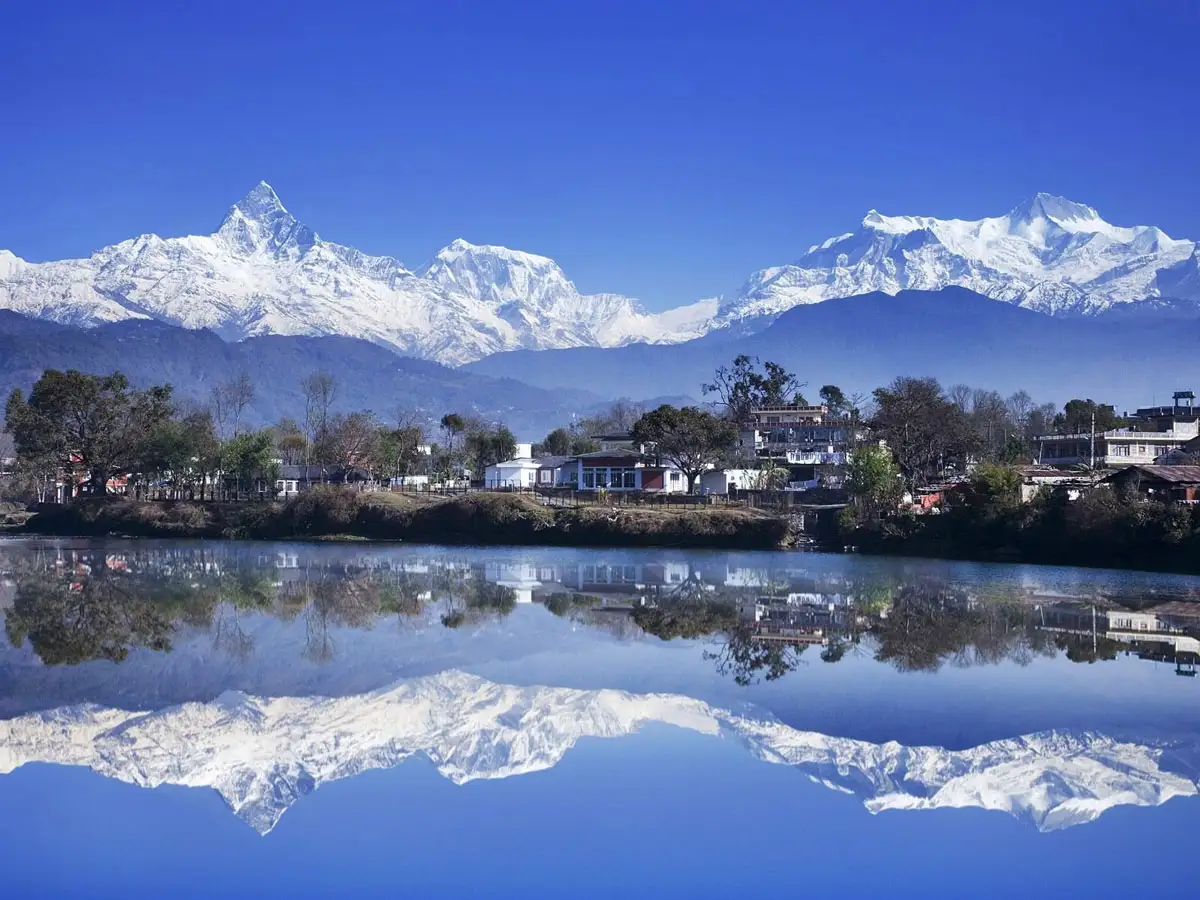
Nestled in the foothills of the Annapurna range, Pokhara is Nepal’s most celebrated travel destination. Moreover, it serves every kind of traveler — adventure seeker, honeymooner, spiritual pilgrim, or culture enthusiast. With the mighty Machapuchare (Fishtail Mountain) towering above and Phewa Lake shimmering below, this city stirs something primal in every visitor.
Planning a Pokhara tour package means more than booking a hotel. It means designing an experience that connects you to Nepal’s soul. Whether you fly in from Kathmandu, travel overland from Chitwan, or arrive fresh from Delhi, Pokhara rewards every route.
This guide covers everything — routes, costs, best packages, seasonal tips, and frequently asked questions. By the end, you will have all the tools to plan a confident, informed, and unforgettable Nepal trip.
A Pokhara tour package is a structured travel plan that bundles transport, accommodation, local sightseeing, meals, and guided activities into one convenient offering. Consequently, it saves time, reduces stress, and often lowers total costs compared to booking separately.
A standard Pokhara travel package generally covers the following:
A Pokhara visit package suits nearly every traveler profile. Families appreciate the convenience. Solo travelers value the safety and local expertise. Meanwhile, honeymooners love the curated romantic add-ons available at lakeside resorts. International trekkers often combine it with an Annapurna circuit or Poon Hill trek.
There is no single “best” package — the right choice depends on your travel style, budget, and duration. However, the following tiers cover most traveler needs effectively.
This option suits backpackers and solo travelers. Typically priced between USD 80–150 per person, it includes basic guesthouse accommodation, Phewa Lake boating, Sarangkot sunrise, Davis Falls visit, and Gupteshwor Cave.
Mid-range packages are ideal for couples and small families. Priced between USD 200–400 per person, they include 3-star hotel stays, guided tours to Bindabasini Temple, World Peace Pagoda, International Mountain Museum, and paragliding or zip-line experiences.
Luxury packages begin at USD 600+ per person. They feature lakeside 4–5-star resorts, private vehicles, helicopter excursions, spa treatments, and custom itineraries tailored to personal preferences. Furthermore, private cultural performances and fine dining experiences are commonly included.
The Kathmandu to Pokhara tour is Nepal’s most popular domestic route. Travelers connect the two cities in three main ways, each offering a distinct experience.
Multiple domestic airlines operate daily flights. Buddha Air, Yeti Airlines, and Shree Airlines cover the route in under 30 minutes. However, mountain weather can affect schedules, so always confirm before the day of travel.
Tourist coaches depart from Thamel (Kathmandu) every morning, offering comfortable seats and scenic highway views. The journey costs around NPR 800–1,500 (USD 6–12). Though slower, the Prithvi Highway views are genuinely scenic.
For small groups or families, a private car or jeep is the most flexible option. It allows scenic stops at Manakamana Cable Car, Bandipur Hill Town, and Marsyangdi River gorge along the way.
Most tour operators offer combined Kathmandu and Pokhara tour packages ranging from 5 to 8 days. These include Kathmandu’s UNESCO heritage sites (Pashupatinath, Boudhanath, Swayambhunath, Bhaktapur Durbar Square) before continuing to Pokhara.
The Kathmandu Pokhara Chitwan tour is Nepal’s golden triangle — the country’s three most iconic destinations combined into one seamless package. Therefore, it represents the most popular itinerary for first-time Nepal visitors.
Days 1–2: Kathmandu – heritage sites, cultural immersion, Thamel exploration
Days 3–4: Chitwan National Park – jungle safari, rhino tracking, elephant interactions, bird watching
Days 5–7: Pokhara – lakeside relaxation, Sarangkot sunrise, Annapurna views, adventure activities
Each destination balances the others beautifully. Kathmandu provides history and spirituality. Chitwan delivers wildlife and tropical forest adventure. Pokhara then closes the loop with mountain scenery and outdoor thrills. Together, they cover Nepal’s cultural, natural, and adventure pillars.
A 7-night/8-day Kathmandu Pokhara Chitwan tour package typically costs between USD 500–900 per person based on accommodation grade. Budget tours use 2-star guesthouses, while luxury tiers feature Chitwan jungle lodges and Pokhara lakeside resorts.
For travelers with spiritual interests, the Kathmandu Chitwan Lumbini Pokhara tour adds the birthplace of Lord Buddha to the classic circuit. Lumbini, located in Nepal’s southern Terai plains, is a UNESCO World Heritage Site and one of Buddhism’s four holiest pilgrimage points.
Lumbini is deeply moving — even for non-Buddhist visitors. The Maya Devi Temple marks the exact birthplace of Siddhartha Gautama. The surrounding monastic zone features temples from Japan, China, Thailand, Myanmar, Germany, and other countries, each uniquely designed. Furthermore, the Eternal Flame and sacred garden pond create moments of genuine stillness.
Days 1–3: Kathmandu – cultural sightseeing
Days 4–5: Chitwan – safari and nature
Days 6–7: Lumbini – Buddhist pilgrimage and monastic zone exploration
Days 8–10: Pokhara – lakes, mountains, adventure
Day 11: Return to Kathmandu for departure
This 10-day format is considered the ideal length for a complete Nepal experience without feeling rushed.
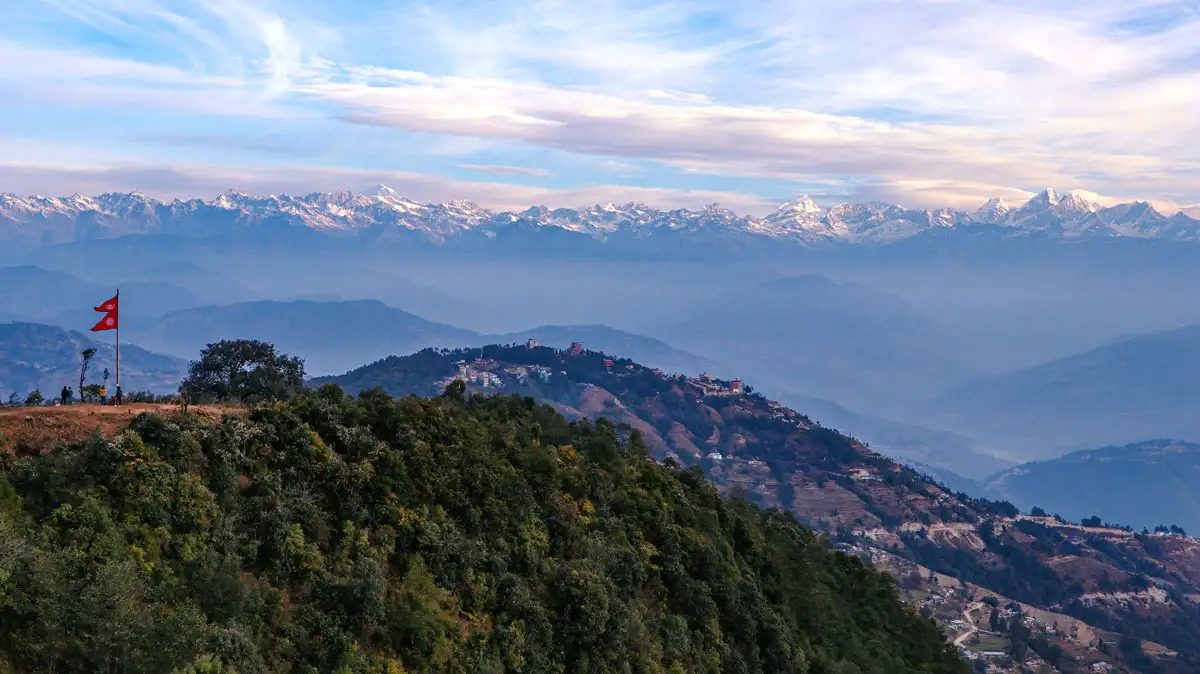
The Kathmandu Nagarkot Pokhara tour appeals to sunrise chasers and photography enthusiasts. Nagarkot, situated at 2,195 meters on the eastern rim of Kathmandu Valley, offers a legendary Himalayan panorama including Mount Everest on clear days.
Nagarkot is a hillside retreat about 32 km from Kathmandu. It is small, quiet, and primarily serves as an overnight destination for sunrise viewing. Visitors typically arrive in the late afternoon, spend the night at a hilltop resort or viewpoint hotel, and rise before dawn for the horizon-spanning Himalayan display.
Many travelers pair Nagarkot with the Kathmandu leg before heading west to Pokhara. The sequence flows naturally: Kathmandu sightseeing → Nagarkot overnight sunrise → Bhaktapur tour on the return → then bus or flight to Pokhara. This structure enriches the Kathmandu segment significantly without adding more than one extra day.
The Muktinath tour package from Pokhara is one of Nepal’s most popular pilgrimage extensions. Muktinath Temple, sitting at 3,800 meters in the Mustang district, is sacred to both Hindus and Buddhists. It draws tens of thousands of pilgrims annually and offers extraordinary high-altitude landscape views.
By Jeep (Overland): The overland route through Beni and Jomsom takes 10–14 hours on mountain roads. It is rugged but highly scenic, passing apple orchards, wind-swept valleys, and centuries-old villages.
By Flight + Jeep: Fly from Pokhara to Jomsom (25 minutes) then travel by jeep to Muktinath (approximately 2 hours). This is the faster, more popular combination.
By Helicopter: The fastest and most comfortable option. A Pokhara–Muktinath helicopter tour costs approximately USD 400–600 per person for a round trip. Groups of 4–5 significantly reduce the per-person cost.
The main temple complex features 108 water spouts, an eternal flame of natural gas, and several sacred kunds (ponds). The Jwala Mai Temple nearby burns continuously from underground natural gas combined with water — a geological wonder revered as a divine miracle. Beyond spirituality, the Mustang landscape offers Upper Mustang’s arid canyon scenery unlike anything else in Nepal.
A Muktinath extension from Pokhara works well as a 2–3 day add-on. Combined with the Pokhara base, a 7–9 day Nepal Pokhara tour package including Muktinath is considered one of the most rewarding Himalayan itineraries available.
For travelers looking to witness the grandeur of the Himalayas without days of strenuous trekking, a private or group-joining helicopter tour from Pokhara is the ultimate time-saving alternative. Flying directly out of Pokhara Airport, these luxury flights bypass rugged trails, placing you face-to-face with 8,000-meter massifs within minutes.
Below is the comparative breakdown of the most popular helicopter routes departing from Pokhara, including total trip durations, maximum landing altitudes, and current pricing tiers.
| Helicopter Tour Route | Total Trip Duration | Maximum Landing Altitude | Group-Joining Price (Per Person) | Private Charter Cost (Max 5 Pax) | Best For |
|---|---|---|---|---|---|
| Annapurna Base Camp (ABC) | 1 Hour 20 Mins | 4,130 meters (13,550 ft) | $430 – $550 USD | $2,000 – $2,400 USD | 360-degree mountain panoramas & photography enthusiasts |
| Muktinath Temple Pilgrimage | 2 Hours | 3,800 meters (12,467 ft) | $600 – $750 USD | $2,800 – $3,100 USD | Hindu & Buddhist pilgrims, elderly travelers, families |
| Mardi Himal Base Camp | 1 Hour | 4,500 meters (14,763 ft) | $450 – $500 USD | $2,100 – $2,300 USD | High-altitude alpine views and escaping the crowds |
| Kapuche Glacier Lake | 1 Hour | 2,546 meters (8,353 ft) | $350 – $400 USD | $1,800 – $2,000 USD | Viewing the world’s lowest altitude glacial lake |
Several factors influence pricing. Group size matters most — solo bookings are the most expensive per head, while groups of 4–5 reduce costs considerably. Seasonal demand also plays a role, with October–November and March–April being peak periods commanding slightly higher rates. Additionally, charter vs. shared helicopter options create significant price differences.
Reputable operators use modern Airbus H125 and Bell 407 helicopters maintained to international standards. Always book with licensed operators registered with the Civil Aviation Authority of Nepal (CAAN). Confirm the aircraft type and pilot experience before confirming any booking.
India remains Nepal’s largest source of international visitors, and Delhi to Pokhara packages are among the most booked cross-border travel products.
By Air via Kathmandu: The most common route. Fly Delhi to Kathmandu (2 hours), then connect to Pokhara (25 minutes). Several airlines including IndiGo, Air India, and Himalaya Airlines operate this corridor with multiple daily departures.
By Air Directly: Some travelers fly Delhi to Kathmandu and then take an overnight bus or tourist coach to Pokhara, arriving the next morning.
By Train + Road (Budget Route): Take train from Delhi to Gorakhpur (10–12 hours), then road transport to Sunauli border crossing, then overland to Pokhara (5–6 hours). This budget-friendly route is popular among young Indian travelers.
A 5-night/6-day Delhi to Pokhara package including flights from Delhi typically ranges from INR 35,000–75,000 per person (approximately USD 420–900). Higher-end packages with luxury lakeside accommodation and helicopter tours can exceed INR 1,00,000 per person.
Indian citizens do not require a visa to enter Nepal. A valid Indian government-issued ID (passport, voter ID, or Aadhaar card in some cases) is sufficient. Consequently, the border crossing process is smoother for Indian nationals than for most other international visitors.
Understanding Pokhara tour package price helps travelers budget accurately and compare options fairly.
Budget (USD 80–150/person): Guesthouse stays, basic sightseeing, shared transport
Mid-Range (USD 200–450/person): 3-star hotels, guided tours, some adventure activities
Luxury (USD 600–1,500+/person): 4–5-star resorts, private tours, helicopter excursions, spa
Domestic Nepali travelers often access different pricing structures. Many local operators offer Pokhara tour package price for Nepali visitors at 30–50% below international rates. Packages designed for Nepali tourists typically cost NPR 8,000–25,000 per person (approximately USD 60–190) for a 2–4 night package including transport, accommodation, and guided sightseeing.
Several variables shift the total cost. Season is a major factor — October and November (peak autumn) and March and April (peak spring) are more expensive. Group size matters because private packages for 2–4 people cost less per head than solo bookings. Accommodation grade is the single largest cost driver. Finally, add-ons such as paragliding, helicopter tours, or Muktinath extensions add significantly to base prices.
Pokhara is accessible year-round. However, each season delivers a different experience.
This is Pokhara’s most popular season. Skies are crystal clear after the monsoon. Himalayan views are at their sharpest. Temperatures are comfortable (10–22°C). Furthermore, trails are dry and festivals like Dashain and Tihar add cultural richness. Consequently, prices are higher and accommodation books up quickly.
Spring rivals autumn as the second peak. Rhododendrons bloom across the hillsides in vivid pinks and reds. Temperatures warm comfortably. Trekking conditions remain good, although some haze appears by late April. Paragliding conditions are excellent throughout spring.
Winter brings cold nights (sometimes below 5°C) but generally clear days. Mountain views remain spectacular. Prices drop considerably and tourist crowds thin out. Short treks and lakeside activities remain enjoyable. Higher altitude routes like Muktinath may face snow access challenges.
Monsoon brings heavy rainfall and occasional landslides on mountain roads. Nevertheless, Pokhara remains beautiful — lush, green, and dramatically atmospheric. The lake swells and waterfalls surge. Prices are at their lowest and hotels are negotiable. This season suits budget travelers who prioritize cost over trekking conditions.
Any strong Pokhara tour package includes a well-balanced mix of nature, adventure, and culture.
Rising 1,592 meters above sea level, Sarangkot delivers one of Nepal’s most celebrated morning views. The Annapurna and Dhaulagiri ranges glow gold and pink as the sun emerges. Most Pokhara packages include a pre-dawn drive and guided sunrise viewing. Moreover, Sarangkot is the most popular paragliding launch point in Asia.
Pokhara’s geography — mountain backdrop, lake below, and reliable thermals — makes it one of the world’s top paragliding destinations. Tandem flights last 20–45 minutes. Standard 20-minute commercial flights cost approximately USD 70–100. Extended performance flights for experienced flyers are available from specialist operators.
Renting a rowboat or paddleboat on Phewa Lake remains one of Pokhara’s most relaxing activities. Row to Tal Barahi Temple on the lake’s island, explore the far shore’s forest fringe, or simply drift and absorb the Annapurna reflection. This lake experience is included in virtually every pokhara package.
The Japanese-built white stupa stands prominently on a hilltop south of the lake. Reaching it involves either a 40-minute hike or a short boat ride followed by a forest trail. The panoramic views of Pokhara Valley from the stupa’s platform are exceptional. The site holds genuine spiritual atmosphere.
This world-class museum traces the history of Himalayan exploration. Exhibits cover mountaineering history, high-altitude gear, summit photographs, and tribute galleries for fallen climbers. It is particularly moving for trekking and climbing enthusiasts. Additionally, it provides strong educational context before any mountain activity.
Davis Falls is a unique underground waterfall where the Pardi Khola River plunges into a sinkhole and disappears beneath the earth. Directly opposite lies Gupteshwor Mahadev Cave, a sacred Hindu site housing a Shiva shrine. The cave extends 3 km underground with naturally formed rock chambers. Together, these two sites make a fascinating and well-priced half-day outing.
Lesser-visited than Phewa, these twin lakes east of Pokhara offer a far quieter and more local experience. Boating, fishing villages, and scenic walking trails around both lakes reward travelers willing to venture slightly off the main tourist circuit.
These practical tips help travelers maximize their Pokhara experience regardless of budget or travel style.
Book accommodation in advance during October–November. Lakeside hotels fill up weeks ahead during peak season. Therefore, early reservation is essential.
Carry cash. Although ATMs exist in Pokhara’s Lakeside area, mountain areas, day-trip destinations, and smaller restaurants often require cash. US dollars and Indian rupees are widely accepted.
Hire a local guide for day trips. Licensed guides add tremendous value beyond directions — they explain religious sites, identify bird species, share local history, and navigate safely on unmarked trails.
Respect local culture. Remove shoes before entering temples. Dress modestly at religious sites. Always ask permission before photographing locals, particularly monks and pilgrims.
Bargain respectfully. Local markets and lakeside shops are negotiable on price. However, fair payment respects both parties and supports local livelihoods.
Acclimatize before trekking. If combining Pokhara with a high-altitude trek, spend at least one full day at lake level before ascending. Altitude sickness is a genuine risk above 3,000 meters.