Picture yourself sitting in a cozy kitchen in Kathmandu. The comforting scent of toasted cumin and fresh ginger fills the air. Outside, the distant chimes of temple bells echo through the vibrant streets. You are surrounded by a local family, laughing as you try to fold your very first dumpling. This unique experience is exactly what you get during a momo making masterclass.
Momos are far more than just a popular street food in Nepal. These delicious, steamed dumplings represent the true heart of Nepalese hospitality and culture. Every local family has a treasured recipe passed down through several generations. Food has a unique power to connect people across different backgrounds. By participating in a culinary workshop, you can dive deep into the daily lifestyle of local communities.
Learning from local home cooks offers an authentic window into traditional Nepalese life. These passionate hosts share secret spice blends that you will never find in standard commercial cookbooks. Additionally, cooking side by side creates lasting memories that stay with you long after your journey ends. This guide will explore the fascinating world of Nepalese culinary arts. Discover how you can incorporate this wonderful food experience into your upcoming travel itinerary.
Momos are undoubtedly the unofficial national dish of Nepal. You will find them everywhere, from busy street corners to high-end luxury restaurants. Originally, these delicious dumplings traveled across ancient Himalayan trade routes from Tibet. Over the centuries, Nepalese cooks adapted the recipe by adding rich, aromatic local spices. Today, eating momos is a joyful daily ritual for millions of local people.
In Nepal, preparing this dish is rarely a solitary task. Instead, it is a joyful social event that brings large families together. Grandparents, parents, and children gather around kitchen tables to roll dough and pleat wrappers. This collaborative effort turns meal preparation into a beautiful celebration of unity. When you participate in a class, you are invited directly into this intimate family circle.
Your culinary journey usually begins well before you turn on the stove. Most traditional hosts will take you on a guided tour of a bustling local market. Walking through these vibrant bazaars allows you to see everyday local life firsthand. You will help select fresh cilantro, crisp red onions, and aromatic ginger root. This sensory experience teaches you how to identify the highest quality local ingredients.
Once you return to the home kitchen, the true hands-on learning begins. Your local host will guide you through every single step of the process. You will learn to feel the correct elasticity of the dough. Afterwards, you will practice the precise rhythmic motion required to chop fillings perfectly. The interactive nature of the class ensures that you genuinely absorb these traditional skills.
The foundation of a great dumpling lies in its wrapper. You will mix simple wheat flour with water to create a smooth dough. Kneading requires patience to develop the gluten properly. Your host will show you how to roll the dough into thin, perfect circles. Achieving the right thickness is vital so the wrapper holds the filling without breaking.
Next, you will prepare the flavorful filling according to your dietary preferences. Traditional options often feature finely minced chicken, juicy water buffalo, or seasonal vegetables. You will mix the protein or veggies with garlic, onions, and melted butter. The secret ingredient is a special blend of Nepalese masala. This unique combination gives the filling its distinctively rich and savory Himalayan flavor profile.
Pleating the wrapper is easily the most challenging yet rewarding step of the class. Your teacher will demonstrate several classic folding shapes. The round crescent and the classic top-knot are the most popular styles. Do not worry if your first few attempts look a little asymmetrical. With a bit of practice, you will soon find a comfortable folding rhythm.
Classic Momo Shapes:
1. Round (Top-knot) -> Traditional style, seals juices efficiently.
2. Half-moon (Crescent) -> Perfect for beginners, easy to fold.
Steamed dumplings are the most classic and widely enjoyed version across the country. They are placed inside large metal or traditional bamboo steamers over boiling water. Cooking takes about ten to twelve minutes until the wrappers look translucent. This healthy method keeps the filling incredibly tender and burst-high with flavorful juice.
If you prefer a crunchy texture, fried momos are an excellent choice. The steamed dumplings are deep-fried until they turn a beautiful golden brown color. Another exciting option is Chili Momo, commonly known as C-Momo by locals. This dish features fried dumplings tossed in a spicy, sweet bell pepper and onion sauce. It provides a delightful kick for travelers who love bold, fiery flavors.
During the cool winter months, Jhol momos become incredibly popular. This version serves hot, steamed dumplings submerged in a deep bowl of chilled or warm soup. The flavorful broth is typically made from roasted tomatoes, sesame seeds, and tangy peanuts. It offers a comforting combination of nutty, spicy, and sour notes in every single spoonful.
No dumpling plate is complete without a generous serving of traditional chutney, known locally as achar. The most common variety features a smooth blend of roasted tomatoes and toasted sesame seeds. Hosts often add a splash of fresh lemon juice for a bright, tangy finish. This creamy sauce balances the rich, savory nature of the meat filling beautifully.
For adventurous food lovers, local cooks prepare an extra spicy green chutney. This vibrant sauce combines fresh mint, coriander, and fiery green chilies. Crucially, it includes timur, a unique wild Szechuan pepper harvested in the Himalayan foothills. Timur creates a distinct tingling sensation on the tongue that elevates the entire dish.
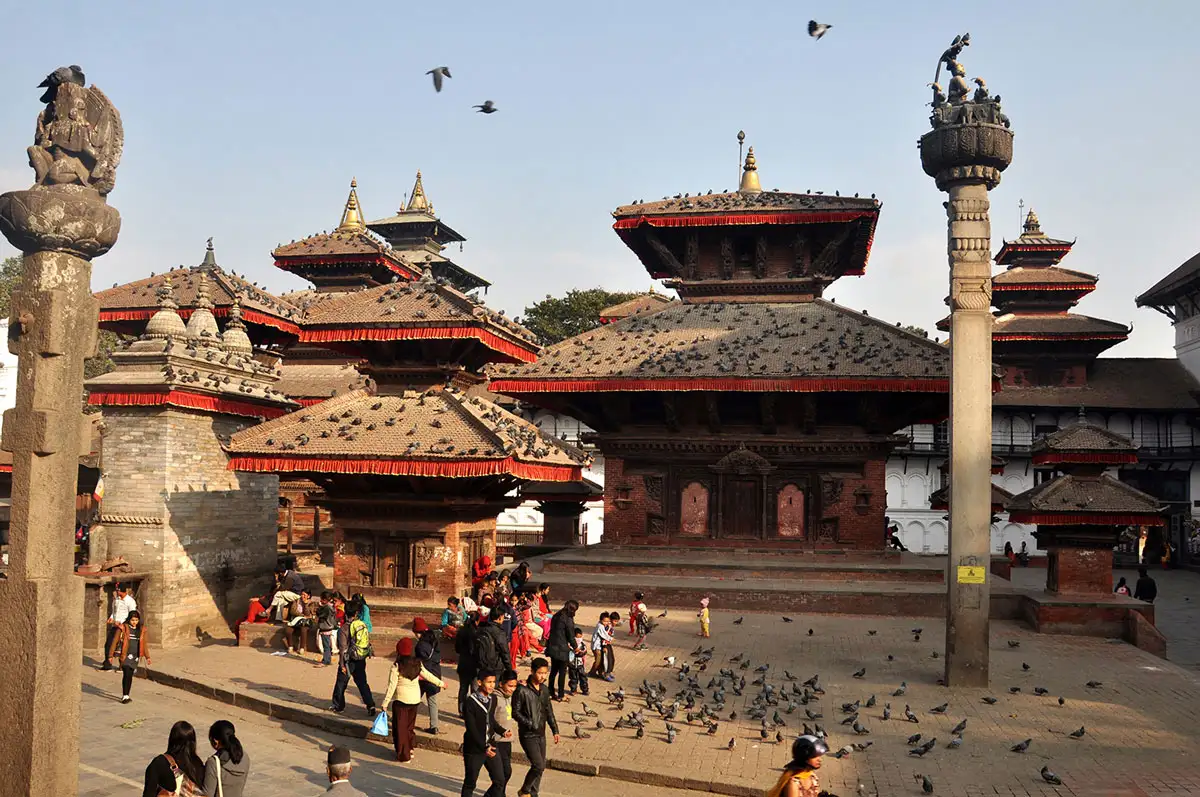
The historic capital city is an absolute hub for authentic culinary experiences. You can easily find immersive cooking classes in the ancient, winding streets of Thamel. Alternatively, you can join a host family near the majestic stupas of Boudhanath or Swayambhunath. These historic settings provide a wonderful cultural backdrop to your afternoon of cooking.
Pokhara offers a much more relaxed environment for your culinary exploration. Many local home cooks host small classes overlooking the peaceful waters of Phewa Lake. It is the perfect place to unwind after completing a long trek. You can rest your sore muscles while learning a valuable new skill from welcoming hosts.
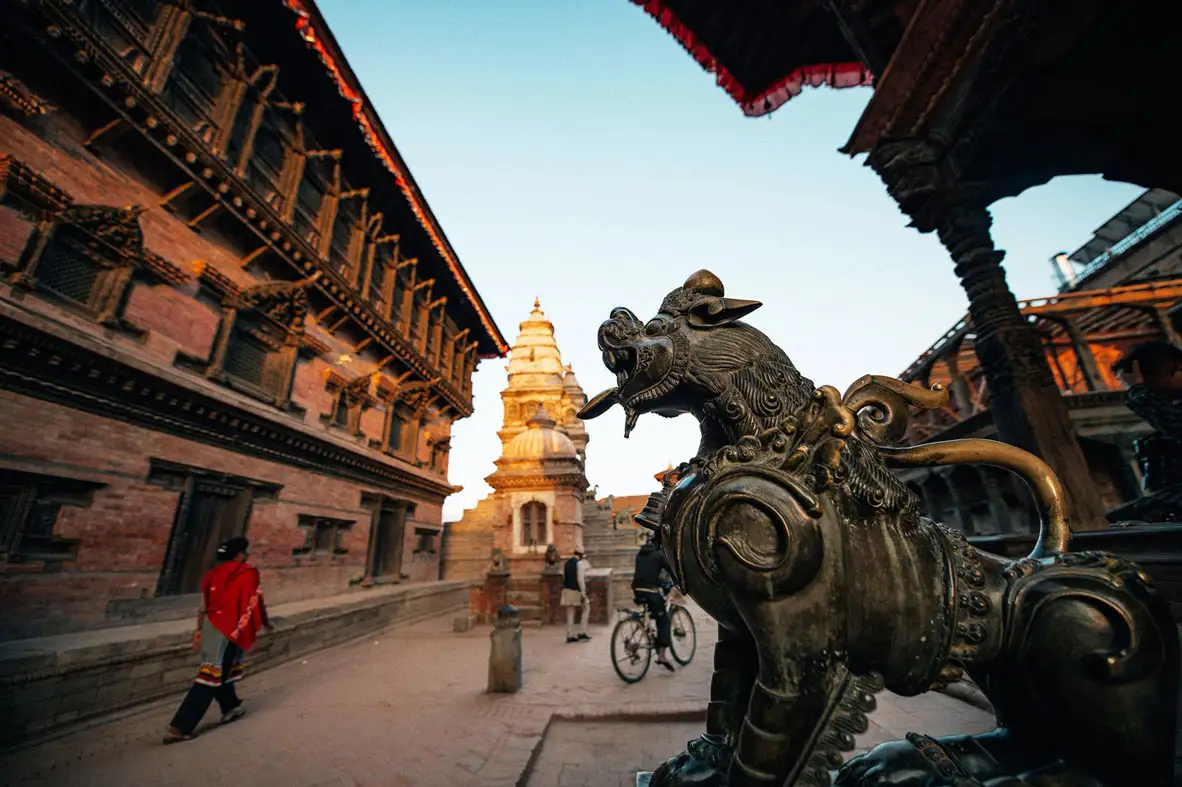
For a deep dive into Newari culture, consider taking a class in Patan or Bhaktapur. These ancient cities are famous for preserving their rich artistic and culinary heritage. Newari home cooks will introduce you to unique spice combinations and traditional clay oven techniques. This specialized knowledge offers a completely different perspective on Nepalese gastronomy.
Commercial cooking schools often cater strictly to Western tastes by toning down authentic spices. In contrast, cooking with a local family provides an unfiltered, genuine cultural experience. You get to step inside a real neighborhood home and see how locals live. This authentic setting fosters genuine conversations about daily life, traditions, and local folklore.
Booking a masterclass directly benefits local families and independent home cooks. This sustainable approach to tourism ensures your travel funds directly support the local economy. It empowers women and community leaders to earn a sustainable income by sharing their heritage. Your culinary adventure helps preserve these invaluable cooking traditions for future generations.
A cooking class fits seamlessly into any travel schedule. It serves as an excellent, low-energy activity between demanding sightseeing days. After exploring historic temples, spending a few hours in a kitchen feels wonderfully grounding. It allows you to slow down and process your travel experiences at a relaxed pace.
Many travelers find that a masterclass is the ultimate way to celebrate completing a trek. After weeks of eating simple trail food, preparing a rich feast feels incredibly rewarding. You can share stories of your mountain achievements with your welcoming local hosts. This comforting experience bridges the gap between rugged mountain adventure and vibrant urban culture.
To make the most of your journey, you can pair this food experience with comprehensive Nepal tour packages. If you are returning from the mountains, look into relaxing trekking packages that include cultural activities. You can also explore detailed city guides to find the best neighborhoods for food tours. Whether you prefer mountain travel guides or exploring dedicated cultural destinations, food connects every journey. Do not miss out on adding this to your list of adventure activities when planning your trip.
A momo making masterclass is far more than just a simple lesson in food preparation. It is an immersive journey into the very heart of Nepalese culture and hospitality. By learning from local home cooks, you gain invaluable insights into everyday Himalayan life. You will develop a deep appreciation for the effort that goes into every single bite. These delicious skills will serve as a wonderful living souvenir of your time abroad.
Are you ready to experience the incredible flavors and warmth of Nepal firsthand? Explore our expertly curated travel itineraries today to plan your dream vacation. Let us connect you with amazing local guides and welcoming home cooks across this beautiful country. Your unforgettable Himalayan adventure awaits!