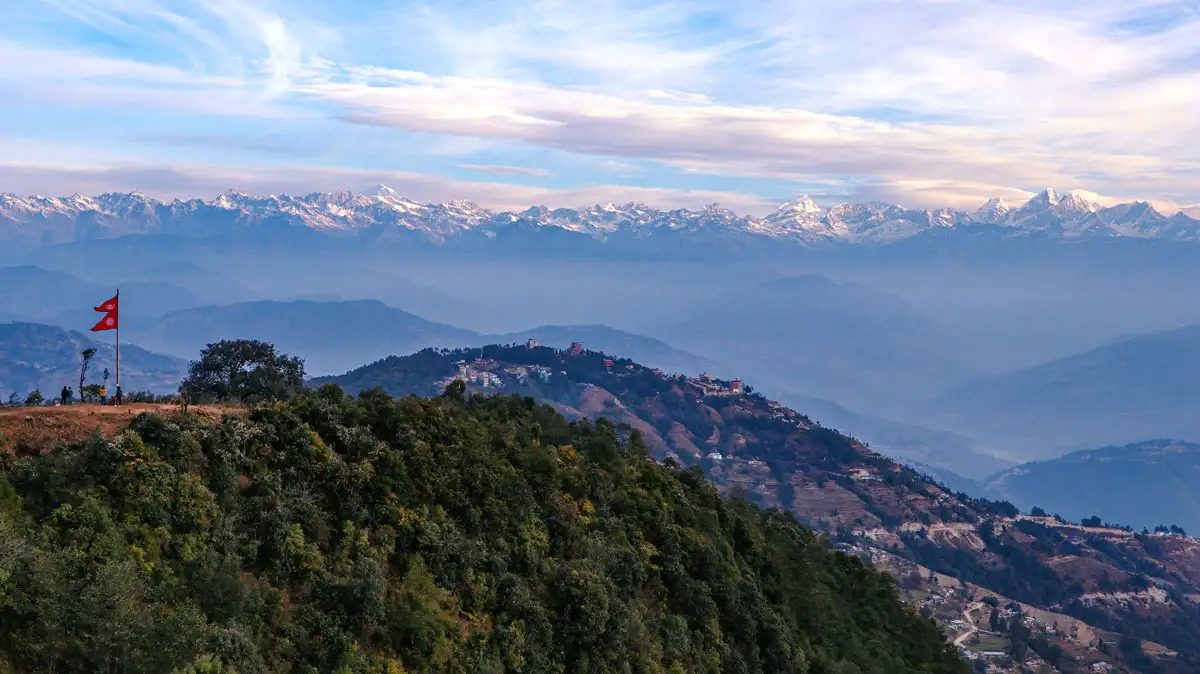
Few overland journeys in South Asia match the drama of traveling from Delhi to Kathmandu by road. Crossing the Indo-Nepal border on land is not just a transit experience — it is the beginning of your Himalayan story. The moment the landscape shifts from the dusty Indo-Gangetic plains to the misty foothills of Nepal, something changes in the air, in the light, and in the traveler.
Thousands of Indian nationals, budget backpackers, adventure seekers, and international overland travelers make this journey every year. Some choose the classic Sunauli–Bhairahawa crossing in Uttar Pradesh. Others opt for lesser-known routes through Raxaul–Birgunj or Banbasa–Mahendranagar. Each route has its own rhythm, its own character, and its own set of border formalities.
This comprehensive guide covers everything you need to plan a successful Delhi to Kathmandu overland tour — from the best route options and bus services to border crossing procedures, visa requirements, road conditions, and insider tips that only experienced travelers know. Whether you are a budget traveler, a first-time visitor to Nepal, or someone planning a multi-week Himalayan adventure, this guide gives you the practical knowledge to make this land journey confidently.
Traveling overland from Delhi to Kathmandu offers advantages that no flight can replicate. The journey takes you through the heartland of northern India — past Varanasi, Lucknow, or Gorakhpur — before delivering you across an open-air border into Nepal. This gradual transition helps travelers acclimatize mentally to the pace, culture, and landscape shift that defines Nepal.
Cost is another compelling reason. A direct flight from Delhi to Kathmandu typically costs between USD 80 and USD 200 depending on the season and airline. The overland journey, by contrast, can be completed for as little as USD 15 to USD 30 in total transport costs, making it the go-to choice for budget backpackers and long-stay travelers.
Indian nationals traveling to Nepal by land do not require a visa. This makes the overland crossing especially attractive for Indian passport holders, who can simply present valid ID at the border and enter Nepal without any advance paperwork. For other nationalities, the Nepal visa on arrival is available at all major land border crossing points.
Beyond the economics, the journey is genuinely scenic and culturally immersive. The Terai plains of southern Nepal, visible from the road into Kathmandu, reveal a side of the country that most fly-in tourists never experience.
The straight-line distance from Delhi to Kathmandu is approximately 800 kilometers. However, the road distance via the most popular route — through Gorakhpur and Sunauli — is around 1,100 to 1,200 kilometers. The full journey typically takes between 20 and 30 hours depending on the route, border wait times, and the type of transport you choose.
Here is a quick reference for all three main route distances:
None of these routes is a one-sitting journey. Most travelers break it into two legs — an overnight bus or train from Delhi to the border town, followed by a second leg from the border into Kathmandu.
There are three primary overland routes connecting Delhi to Kathmandu. Each passes through a different Indo-Nepal border crossing point and serves different parts of Nepal upon entry.
Route 1: Delhi → Gorakhpur → Sunauli/Bhairahawa → Kathmandu This is the most popular and most frequently used route. It is the most convenient for tourists because it has the most transport connections, the most established crossing infrastructure, and the most direct road to Kathmandu after the border.
Route 2: Delhi → Varanasi/Patna → Raxaul/Birgunj → Kathmandu This is the eastern route. It suits travelers who want to visit Varanasi or other eastern Uttar Pradesh and Bihar destinations before entering Nepal. Birgunj is a busy commercial border crossing and the journey from Birgunj to Kathmandu on the Tribhuvan Highway is highly scenic, though slower.
Route 3: Delhi → Bareilly → Banbasa → Mahendranagar → Kathmandu This is the western route and the least commonly used by tourists. It connects the Kumaon region of Uttarakhand with far-western Nepal. Travelers using this route often combine it with visits to Corbett National Park or the Kumaon hills before entering Nepal.
Gorakhpur is the last major Indian city before the Sunauli border. It is well connected to Delhi by both rail and road.
By Train: Several express trains connect Delhi (New Delhi, Anand Vihar, or Hazrat Nizamuddin stations) to Gorakhpur. The journey takes approximately 8 to 11 hours. Key trains include the Gorakhpur Express, the Humsafar Express, and the Gorakhdham Express. Book well in advance on IRCTC, especially during summer and festival seasons.
By Bus: State-run and private deluxe buses operate overnight services from Delhi’s Anand Vihar ISBT terminal to Gorakhpur. The journey takes 10 to 14 hours. AC sleeper buses are available and cost between INR 700 and INR 1,500.
From Gorakhpur, shared jeeps, buses, and private taxis run regularly to Sunauli. The distance is 93 kilometers and takes around 2 to 3 hours. Buses depart from Gorakhpur’s Civil Lines Bus Stand frequently throughout the day. The fare is approximately INR 100 to INR 150.
The Sunauli border is open 24 hours, though most immigration formalities are conducted during daylight hours for practical purposes. The Indian immigration post is on the Sunauli side. Nepal immigration is on the Belahiya side, just meters across the border.
Bhairahawa (also called Siddharthanagar) is a busy Terai city with strong bus connections to Kathmandu. Regular tourist buses and local buses depart from the Bhairahawa bus park throughout the day. The journey to Kathmandu takes 6 to 8 hours along the Prithvi Highway via Mugling. Tourist bus fare ranges from NPR 700 to NPR 1,500. Night buses are also available.
Raxaul in Bihar is the Indian border town opposite Birgunj, Nepal’s largest land port. Travelers can reach Raxaul by train from Delhi via Patna or Muzaffarpur. The Mithila Express and the Satyagrah Express are popular train options. Journey time from Delhi is approximately 16 to 20 hours.
The Raxaul–Birgunj crossing handles enormous volumes of commercial freight and can be crowded. Immigration formalities are generally quick. The Indian immigration office is located on the Raxaul side and the Nepal Immigration Office is a short walk across the Friendship Bridge in Birgunj.
The drive from Birgunj to Kathmandu covers approximately 130 kilometers but takes 4 to 6 hours due to the mountain road via the Tribhuvan Highway. This route is particularly scenic with gorges, terraced hillsides, and Himalayan foothills. Regular buses and micro-vans serve this route. The journey can also be done via the faster Narayanghat–Mugling highway for those willing to take an alternate connection.
Banbasa lies in Uttarakhand, near the Kumaon hills. Travelers reach it via Bareilly or Haldwani. Buses from Delhi’s Anand Vihar ISBT run to Haldwani and onwards to Banbasa. The journey from Delhi takes 8 to 10 hours by bus.
This is a quieter crossing with fewer tourists. Immigration procedures are usually fast. The Nepal side, Mahendranagar, is a mid-sized city in the Sudurpashchim Province of Nepal.
This is the longest post-border leg of any of the three routes. Kathmandu is approximately 720 kilometers east of Mahendranagar. Night buses cover this route in 14 to 18 hours. Travelers often stop at Nepalgunj or Pokhara along the way.
This route is best suited for travelers planning to explore far-western Nepal, Bardiya National Park, or those coming from the Kumaon/Uttarakhand region of India.
This is the most efficient two-leg approach. Catch an overnight train from Delhi to Gorakhpur, Raxaul, or a nearby junction. From the Indian border town, take a shared jeep or bus to the immigration post.
Pros: Comfortable overnight transit, saves accommodation costs, reliable schedule.
Cons: Train booking required in advance; IRCTC can be tricky for foreign nationals without an Indian phone number.
Several private operators run direct Delhi to Kathmandu tourist buses. These include stops at the border for immigration formalities and typically take 28 to 36 hours total. Companies like Greenline and various local operators offer this service from Delhi’s Majnu Ka Tila area, which is the hub for Tibetan and Nepal-related travel services in Delhi.
Pros: No transfers needed; one ticket covers the full journey.
Cons: Long, uncomfortable journey in one go; quality of buses varies.
A private taxi from Delhi to the Nepal border or all the way to Kathmandu is available but expensive. This option suits groups of four or more splitting the cost, or travelers with specific medical, accessibility, or schedule needs.
Indian nationals can drive their own vehicles into Nepal, provided they carry the vehicle’s registration papers, insurance valid in Nepal, and their driving license. The vehicle permit for Nepal must be obtained at the border. Foreign nationals cannot self-drive Indian-registered vehicles into Nepal.
Once inside Nepal, travelers have multiple options to reach Kathmandu from the border.
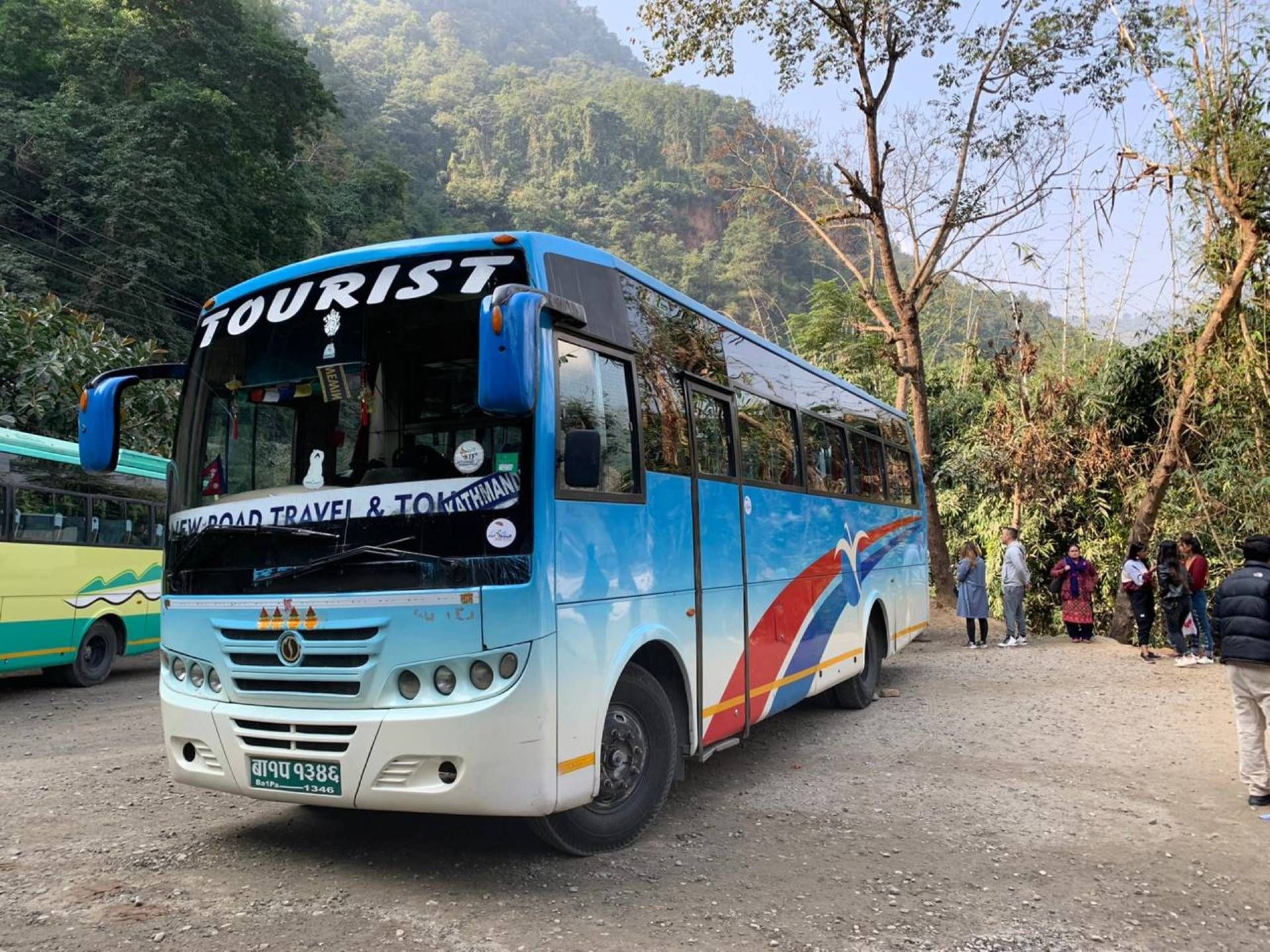
Tourist Buses: These are the most popular option for international travelers. Air-conditioned and non-AC tourist buses depart from Bhairahawa, Birgunj, and other border towns daily. Book through your hotel or a local travel agent near the border.
Local Buses: Far cheaper but less comfortable. Local Sajha or Yatayat buses cover the same routes and are used primarily by Nepali passengers.
Shared Jeeps and Microvans: Faster than buses for shorter legs, these are common from Birgunj to Kathmandu via Hetauda or via Narayanghat.
Private Taxi: Available for hire at all border towns. Agree on the fare before departure. A private taxi from Bhairahawa to Kathmandu typically costs NPR 8,000 to NPR 14,000 depending on the vehicle type and season.
Domestic Flight: If you want to skip the road journey entirely after crossing the border, you can take a domestic flight from Bhairahawa Airport (Gautam Buddha International Airport) to Kathmandu. Buddha Air and Yeti Airlines operate this route. Flight time is under 30 minutes.
Indian passport holders do not require a visa to enter Nepal. They can enter with any valid government-issued photo ID — a passport, voter ID card, Aadhaar card, or driving license. There is no fee and no advance application needed.
Most international travelers (from the USA, UK, Europe, Australia, China, and most of the world) are eligible for a Nepal tourist visa on arrival at land border crossing points. The following are the standard visa fees:
Payment at land borders is accepted in cash only (USD, EUR, INR, or other major currencies). Bring crisp, clean notes. Credit card machines are occasionally available but unreliable.
Citizens of Nigeria, Ghana, Zimbabwe, Swaziland, Cameroon, Somalia, Liberia, Ethiopia, Iraq, Afghanistan, and a small number of other countries must obtain a Nepal visa in advance from the Nepalese Embassy. Verify current visa eligibility before travel on the official Nepal government immigration website.
Here is a clear, sequential breakdown of what happens at the border.
Step 1: Arrive at the Indian Immigration Office Present your passport and complete your Indian exit formalities. An exit stamp will be placed in your passport. For Indian nationals, this step is minimal — just show your ID.
Step 2: Walk Across the Border The distance between Indian and Nepal immigration posts is typically between 100 meters and 1 kilometer. At Sunauli, the walk is short. At Raxaul–Birgunj, you cross a bridge. Rickshaws and cycle rickshaws are available to carry luggage.
Step 3: Fill Out the Nepal Visa Application Form Collect the form at the Nepal Immigration Office counter. Fill it out with your personal details, passport number, intended length of stay, accommodation address in Nepal, and purpose of visit.
Step 4: Submit Documents and Pay the Visa Fee Hand over your passport, completed form, photo, and visa fee to the immigration officer. They will process your visa and stamp your passport.
Step 5: Customs Declaration Declare any restricted or dutiable items at Nepal Customs. Most standard tourist luggage passes through without issue.
Step 6: Enter Nepal You are now in Nepal. From this point, proceed to the nearest bus park or taxi stand for your onward journey to Kathmandu.
Indian exit immigration is generally smooth and fast. Officers check your passport, ask about the purpose of your visit to Nepal, and apply an exit stamp. There is no exit fee. Keep your boarding pass or bus ticket handy as it may be requested.
For Indian nationals, the process is even simpler. Show your identity card, state your destination, and you’re waved through. The entire process takes 5 to 20 minutes during off-peak hours.
During busy periods — particularly Diwali, Holi, summer vacations, and the October–November Nepal trekking season — queues at Sunauli and Raxaul can be long. Arriving early in the morning significantly reduces waiting time.
Nepal Immigration officers at land borders are professional and the process is straightforward. Officers may ask where you plan to stay, how long you intend to remain, and what you plan to do in Nepal.
Processing time for a single visa application is usually 10 to 30 minutes. During peak trekking season (September to November) queues can stretch to an hour or more. Arriving before 10 AM is strongly recommended.
Ensure your photographs meet passport-photo standards — light background, front-facing, no glasses. Some borders have photo printing services nearby if you forget to bring photos.
Currency exchange counters are available at the Nepal side of all major crossing points. Rates are not as good as Kathmandu bank rates, but they are convenient for getting initial cash for your onward journey.
The overland journey from Delhi to Kathmandu is possible year-round, but some seasons are clearly better than others.
October to November (Best Time) Post-monsoon autumn is the peak trekking season in Nepal and also the best time for the overland journey. Roads are clear, skies are blue, and the landscape is lush and green. Temperatures are comfortable across the entire route.
March to May (Good Time) Spring is an excellent time to travel overland. Rhododendrons bloom across Nepal’s hills and temperatures are warm but not oppressive. Avoid the very end of May when pre-monsoon heat sets in.
December to February (Cool and Dry) The journey is comfortable in winter, though border towns in the Terai can be cold at night. Mountain views from the road into Kathmandu are often spectacular in clear winter air.
June to September (Monsoon — Challenging) The monsoon brings heavy rain, frequent landslides, and road closures on mountain sections — particularly the Tribhuvan Highway from Birgunj to Kathmandu and the Prithvi Highway from Mugling. Travel is possible but delays of 4 to 10 hours due to landslides are common. Check road conditions before departing.
Here is a realistic cost breakdown for the most popular route — Delhi to Kathmandu via Sunauli.
| Segment | Transport | Estimated Cost (per person) |
|---|---|---|
| Delhi to Gorakhpur | Sleeper Train | INR 300–700 (USD 4–9) |
| Delhi to Gorakhpur | AC Bus | INR 700–1,500 (USD 9–18) |
| Gorakhpur to Sunauli | Shared Bus | INR 100–150 (USD 1.50–2) |
| Nepal Visa Fee (30 days) | — | USD 50 |
| Bhairahawa to Kathmandu | Tourist Bus | NPR 700–1,500 (USD 5–11) |
| Bhairahawa to Kathmandu | Private Taxi | NPR 8,000–14,000 (USD 60–105) |
Total Budget Estimate (excluding visa): USD 15 to USD 30 by public transport
Total Budget Estimate (including visa): USD 65 to USD 80 by public transport
Additional costs to account for:
Traveling overland from Delhi to Kathmandu is generally safe, but preparation reduces unnecessary stress.
Keep important documents in a waterproof pouch. Border queues can be crowded. Your passport, visa photos, and cash should be easily accessible but protected.
Exchange money at reputable counters. Avoid roadside money changers at the border who may offer marginally better rates but sometimes give counterfeit notes. Use immigration-adjacent exchange booths or wait until Kathmandu.
Watch your luggage on overnight buses. Lock your bags and keep valuables close. Theft is not common but it occurs on crowded overnight services.
Confirm your bus departure time twice. Schedules in South Asia can shift. Always verify the departure time again on the day of travel.
Stay hydrated across the Terai. The flat plains between Delhi and the Nepal border can be extremely hot between April and September. Carry at least 2 liters of water per person for the border crossing day.
Do not accept food or drinks from strangers on buses. Reports of drugging on long-distance bus routes in India exist, though rare. Use common sense with food and drinks from unknown sources.
Buy travel insurance before you go. Nepal’s mountain roads and weather create genuine risks. Ensure your policy covers medical evacuation, trip cancellation, and overland travel in Nepal.
Arriving overland into Nepal naturally positions you to explore more of the country before reaching Kathmandu. Consider adding these destinations to your itinerary.
Lumbini — Birthplace of the Buddha Located just 22 kilometers from Bhairahawa, Lumbini is one of the four most sacred Buddhist pilgrimage sites in the world. A detour here takes only a day and can be profoundly moving. Explore the Lumbini heritage circuit with its sacred garden, Maya Devi Temple, and international monastery zone.
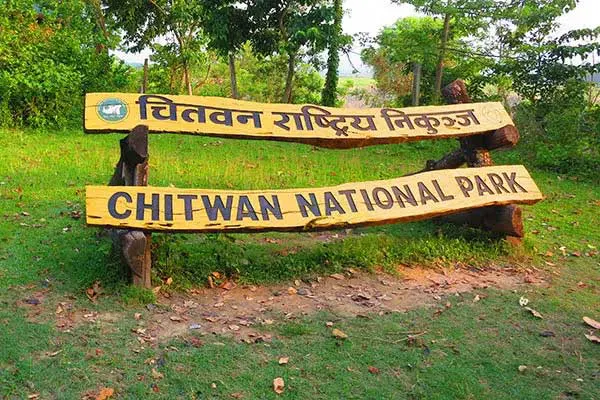
Chitwan National Park — Jungle Safari About halfway between the Sunauli border and Kathmandu lies Chitwan, Nepal’s premier wildlife destination. A 2-night jungle safari lets you track one-horned rhinos, Bengal tigers, gharial crocodiles, and hundreds of bird species. Break your journey here for a Chitwan jungle safari tour before continuing to Kathmandu.
Pokhara — Gateway to the Annapurnas Rather than going directly to Kathmandu, consider stopping in Pokhara — Nepal’s adventure capital on the shores of Phewa Lake. It is easily accessible from both the Sunauli and Mahendranagar crossing routes. From Pokhara, you can join Annapurna trekking packages, go paragliding, or simply relax before heading on to Kathmandu.
Narayanghat and Devghat At the confluence of the Trishuli and Kali Gandaki rivers near Narayanghat lies Devghat, a Hindu pilgrimage town of quiet significance. Most travelers pass through Narayanghat on the way to Kathmandu — a short detour to Devghat adds spiritual depth to the journey.
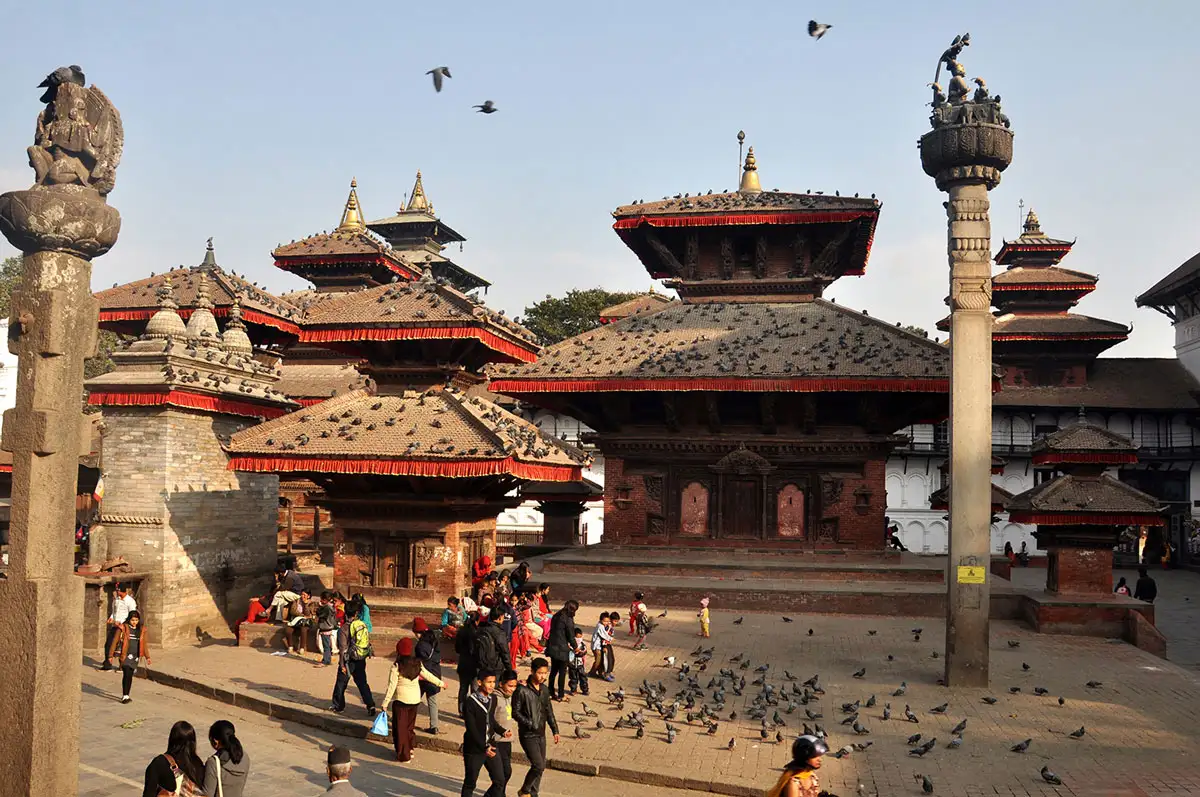
Kathmandu — The Ultimate Destination Once you arrive in Kathmandu, the real Nepal experience begins. Explore the UNESCO World Heritage Sites of Pashupatinath, Boudhanath, Swayambhunath, and the three Durbar Squares. Consider booking a Kathmandu full day tour to cover the highlights with a knowledgeable local guide. From Kathmandu, your Nepal adventure truly opens up — with Everest treks, cultural day hikes, and mountain flights all within reach.
The overland journey from Delhi to Kathmandu is more than a transit route — it is an experience that connects two of South Asia’s most dynamic countries through landscape, culture, and road. Whether you cross at Sunauli with the bulk of travelers, choose the scenic Birgunj–Tribhuvan Highway route, or explore the quieter western crossing at Mahendranagar, each path delivers you into Nepal with a richer sense of arrival than any airport can provide.
Plan your route carefully, understand the border procedures, travel during the right season, and leave yourself enough time to enjoy what lies between Delhi and Kathmandu — and everything that Nepal offers once you arrive.
From the UNESCO heritage zones of Kathmandu to the jungle trails of Chitwan, the Annapurna Circuit, the Everest Base Camp trek, and the sacred plains of Lumbini, Nepal rewards every traveler who makes the journey thoughtfully.
Ready to turn this overland journey into a full Nepal adventure? Browse our curated Nepal tour packages and trekking itineraries — or contact our travel experts to plan a customized trip that fits your schedule, budget, and travel style.
Published by Nepal Tour Package | Expert-guided Nepal tours, trekking, and cultural experiences
Contact: +977 9841620757 (WhatsApp/Viber) | nepaltourpackage@outlook.com