Every traveler arriving in Nepal eventually faces the same decision: how do you get from Kathmandu to Pokhara? It seems straightforward at first, two of Nepal’s most iconic cities, separated by roughly 200 kilometers. But the reality is far more nuanced, and the choice you make can significantly shape your overall Nepal experience.
Do you take the Kathmandu to Pokhara flight and arrive in under 30 minutes with sweeping Himalayan views below? Or do you board a bus, settle into your seat, and spend 7 to 10 hours winding through terraced hillsides, river gorges, and traditional Nepali villages along the Prithvi Highway?
Neither option is simply “better.” Each suits a different type of traveler, a different budget, and a different travel philosophy. Some want speed. Others want scenery. Many are trying to balance cost, comfort, and time, all at once.
This guide breaks down every important detail: pricing, travel time, comfort levels, scenic value, safety considerations, booking tips, and who each option is truly best for. By the end, you will know exactly which route makes sense for your Nepal journey.
Pokhara sits approximately 200 kilometers west of Kathmandu. On paper, that sounds like a short trip. In practice, Nepal’s mountainous terrain and the condition of the Prithvi Highway make overland travel considerably longer than the distance suggests.
The road officially called the Prithvi Highway traces the Trishuli and Marsyangdi rivers through valleys, bridges, and hillside villages. It is one of Nepal’s most important arterial roads. However, ongoing upgrades and landslide-prone sections during monsoon season regularly cause delays. As of 2025, parts of the highway are still under construction, which can push bus travel times beyond 10 hours during road works or heavy traffic.
By air, the two cities are just 25 to 30 minutes apart. The domestic flight departs from Tribhuvan International Airport’s domestic terminal in Kathmandu and lands at Pokhara International Airport located approximately 3 kilometers east of the famous Lakeside district.
Understanding both options in detail helps you make a well-informed decision. Let’s start with the faster route.
Three major domestic carriers operate the Kathmandu to Pokhara route daily:
Flights depart from early morning (around 7:00 AM) through the early evening. Early morning departures are generally recommended for the clearest visibility and the best mountain views.
The flight takes approximately 25 to 30 minutes gate-to-gate. That includes taxiing, takeoff, a brief cruise over the Himalayan foothills, and landing. It is one of the shorter domestic flights you will ever take and one of the most visually stunning.
Pricing varies based on nationality, season, and booking timing:
Booking early at least a week in advance typically secures better rates. Peak trekking seasons (March–May and September–November) see higher demand and faster seat sellouts.
Pros:
Cons:
Sit on the right side of the aircraft (window seat, right aisle) when flying from Kathmandu to Pokhara. This gives you the best unobstructed views of the Himalayan ranges. Sit farther back in the cabin to reduce propeller interference in photos.
Book morning flights whenever possible. Clouds tend to build by midday in Nepal’s mountain regions, reducing visibility. Flights before 10:00 AM offer the clearest conditions in most seasons.
During the monsoon (June to August), expect potential delays or cancellations. Airlines will typically rebook you or offer alternatives, but a flexible schedule helps significantly.
Confirm your luggage allowance before the flight. Some domestic flights have stricter weight limits than international carriers. Extra baggage fees can be steep.
Nepal’s bus network between Kathmandu and Pokhara is diverse. Travelers have several options depending on budget and comfort preference:
Tourist Buses (Recommended for most travelers) These are the most popular option for international visitors. Air-conditioned coaches with assigned seats, scheduled departures, and decent legroom. Reputable operators include Greenline Bus, Prithvi Bus, and several others departing from the tourist bus park near Thamel.
Greenline, the most premium tourist bus option, includes onboard toilets, a buffet lunch, and travel insurance. It costs around USD 20 to USD 25 per person one-way. Other tourist buses range from USD 8 to USD 15.
Local Public Buses These are the cheapest option typically costing around USD 6 to USD 8 one-way. However, local buses are often overcrowded, don’t have air conditioning, depart from a different, busier bus station (usually Gongabu or New Bus Park), and can run significantly behind schedule. They can be an adventure in themselves, but they are not recommended for travelers who prioritize comfort.
Private Car or Jeep A private vehicle with a driver costs considerably more typically USD 120 to USD 180 one-way but offers full door-to-door flexibility, the ability to stop at viewpoints or roadside eateries, and no sharing with strangers. Travel time is generally 5 to 7 hours depending on traffic.
The tourist bus from Kathmandu to Pokhara takes approximately 7 to 10 hours under normal road conditions. Departures typically leave between 7:00 AM and 8:00 AM from the tourist bus park in Thamel.
As of 2025, ongoing highway construction in certain sections pushes travel times toward the upper end of this range. During the monsoon season, landslides or road closures can add further delays. Planning your departure day with a buffer is wise.
The Prithvi Highway is one of Nepal’s most scenic overland routes and one of its most challenging. The road winds along the Trishuli River gorge for much of the journey, offering dramatic views of terraced fields, suspension bridges, roadside tea shops, and Nepal’s distinctive rural architecture.
The route passes through several notable towns and waypoints: Naubise, Malekhu, Mugling, Damauli, and finally descends into Pokhara Valley. Mugling is a common lunch stop, where riverside restaurants serve local dal bhat, momos, and fresh fish.
For travelers who want to absorb Nepal’s human geography the roadside communities, the river culture, the rhythm of rural Nepali life the bus journey offers a perspective that no 25-minute flight can replicate.
Pros:
Cons:
Book tourist bus tickets at least one day in advance, especially during peak season. Tickets can be arranged through your hotel, travel agencies in Thamel, or directly at the tourist bus park.
Carry motion sickness medication (like Dramamine) if winding mountain roads affect you. The Prithvi Highway is notoriously twisty in sections particularly through the Malekhu and Mugling areas.
Pack a light snack and a water bottle for the journey. Although buses stop for lunch midway, having your own snacks for the longer stretches is smart.
Arrive at the bus park 20 to 30 minutes before departure. Tourist buses leave on time, and late arrivals may find their seats reallocated.
Seats on the left side of the bus typically offer better river views during the first half of the journey. However, comfort matters more than views on a 7-hour ride, so choose a seat toward the front to reduce motion.
| Factor | Flight | Tourist Bus |
|---|---|---|
| Travel Time | 25–30 minutes | 7–10+ hours |
| Cost (One-Way, Foreigner) | USD 100–130 | USD 8–25 |
| Comfort | High | Moderate |
| Scenic Value | Aerial Himalayan views | River valley & village scenery |
| Weather Dependency | High (cancellations possible) | Low (except extreme events) |
| Luggage Restrictions | Yes (15–20 kg limit) | No weight limit |
| Motion Sickness Risk | Minimal | Moderate to High |
| Best For | Time-pressed, luxury, trekkers | Budget travelers, cultural experience |
| Booking Lead Time | 1+ week recommended | 1 day minimum |
| Departure Flexibility | Multiple daily options | Fixed morning departure |
Choosing between the flight and the bus depends entirely on your travel priorities. There is no universal right answer only the right answer for your specific trip.
You are on a tight itinerary. Nepal’s peak trekking season fills up fast, and every day counts. Flying from Kathmandu to Pokhara saves you an entire day that you can spend on the trail, at Fewa Lake, or acclimatizing before your trek begins. If you are heading to Annapurna Base Camp, Ghorepani Poon Hill, or Upper Mustang, the saved time is invaluable.
You are a luxury or comfort-focused traveler. If you are investing in a premium Nepal experience staying in boutique hotels, traveling with a guide, enjoying quality food the bus journey may feel inconsistent with the rest of your trip. Flying is simply more comfortable and stress-free.
You or a travel companion have physical limitations. Long bus rides on winding roads are demanding. For older travelers, families with young children, or anyone prone to motion sickness, the 25-minute flight is overwhelmingly the better choice.
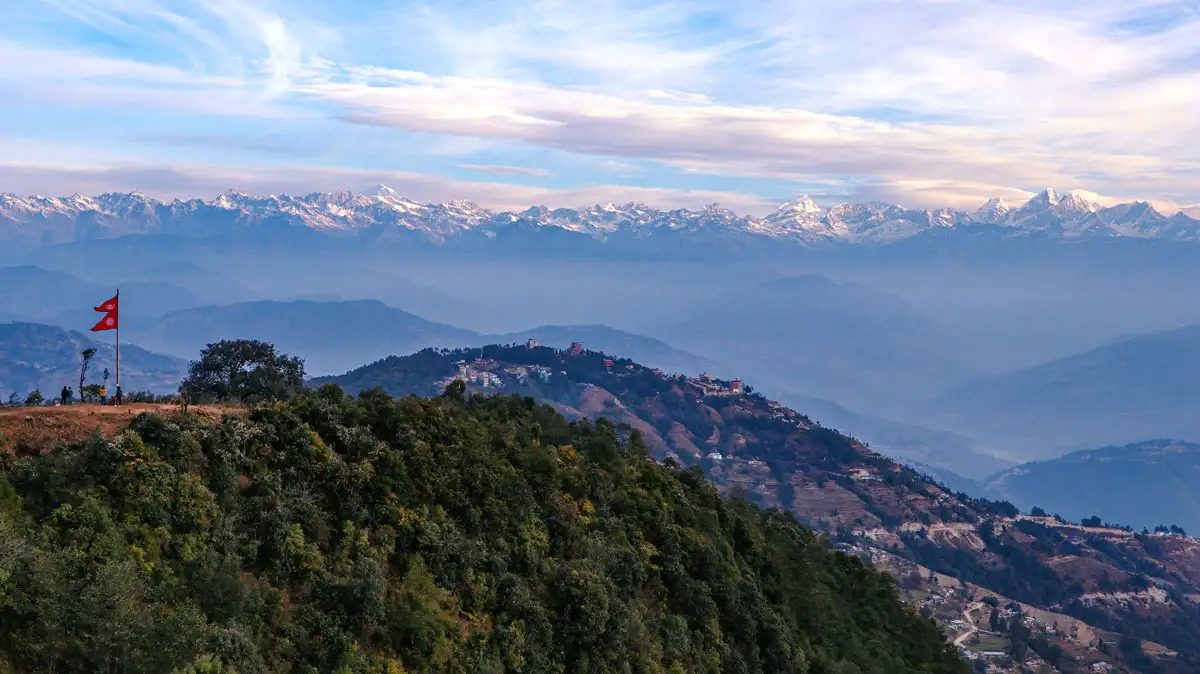
You want the Himalayan aerial view experience. The view from the right-side window of a Buddha Air or Yeti Airlines turboprop at sunrise is extraordinary. Annapurna, Machhapuchhre, and Dhaulagiri appear enormous and impossibly close. For many visitors, this brief flight is itself a highlight of the Nepal trip.
You are traveling on a strict budget. At USD 8 to USD 15 for a tourist bus, the cost difference versus a flight is stark. For long-term travelers or backpackers, this saving is significant. The Greenline Bus at USD 20 to USD 25 is the premium bus option and still costs a fraction of a flight ticket.
You want an authentic Nepal road experience. The Prithvi Highway journey is genuinely atmospheric. Watching the Trishuli River rush below, passing through small roadside bazaars, eating fresh food at Mugling these are experiences that define overland Nepal travel. If you want to feel the country rather than fly over it, take the bus.
You have a flexible schedule. If you are not racing toward a trek start date or a flight connection, an extra day of travel opens up naturally. Many travelers choose to take the bus one direction and fly the other getting the cultural experience going to Pokhara and saving time when heading back to catch an international flight.
You are traveling during the off-season with no flight certainty. Domestic flights in Nepal are notoriously weather-dependent. During monsoon season (June to August), delays and cancellations are common. A tourist bus offers a reliable alternative when weather makes flying uncertain.
Many experienced Nepal travelers use a combination of both. Take the bus from Kathmandu to Pokhara to soak in the Prithvi Highway scenery. Then fly back from Pokhara to Kathmandu on the return leg saving time before catching your international flight.
This approach gives you the best of both worlds: cultural immersion on the way in, efficiency on the way out.
Book your Kathmandu to Pokhara flight directly through airline websites buddhaair.com or yetiairlines.com or through reputable Nepal-based travel agents. Online booking typically allows seat selection, which is crucial for securing that right-side window seat.
Book at least 7 to 10 days in advance during trekking season (March–May and September–November). Seats fill up quickly, especially on popular early morning departures.
Reconfirm your flight 24 hours before departure. Domestic schedules in Nepal can shift, and it is better to know ahead of time than to arrive at an airport for a cancelled flight.
Arrive at the domestic terminal of Tribhuvan International Airport at least 1 hour before departure. The domestic terminal is a separate building from the international terminal. Bring your passport or government-issued photo ID, as it is required for domestic check-in.
Tourist bus tickets can be booked through hotels, Thamel travel agencies, or directly at the tourist bus park. For Greenline Bus the most premium option book through their official website or an authorized agent.
Most tourist buses depart from the tourist bus park near Kantipath or Thamel in central Kathmandu. Confirm your exact pickup point when booking, as some operators offer hotel pickup for an additional fee.
Arrive 20 to 30 minutes early. Tourist buses load luggage first, and you may need that buffer to find your assigned seat and settle in before the 7:00 AM or 7:30 AM departure.
The Kathmandu to Pokhara journey is one of the great travel decisions every Nepal visitor makes. Both options are legitimate, rewarding, and suited to different types of travelers. Neither choice is wrong only different.
Fly if you value speed, mountain views from above, comfort, and a tightly packed itinerary. The 25-minute flight is a spectacular way to transition between Nepal’s urban capital and its most beloved tourist city.
Take the bus if you value budget travel, cultural immersion, riverine scenery, and the slow, atmospheric experience of overland Nepal. The Prithvi Highway journey is genuinely beautiful, despite its length.
For many travelers, the smartest approach is to do both bus one way, fly the other. This gives you the full picture: Nepal’s roads and Nepal’s skies.
Whichever route you choose, Pokhara delivers. Fewa Lake, the Annapurna ranges, Sarangkot sunrises, paragliding, world-class trekking trails it is one of Asia’s most beautiful destinations. Getting there is just the beginning.
Planning your Nepal journey and need help choosing the right itinerary, transport, and trekking packages? Explore our Nepal tour packages we offer expertly crafted itineraries that handle every logistics decision for you, from arrival in Kathmandu to your final descent from the mountains. Our team of Nepal travel specialists is ready to help you build the perfect trip.