📧 Quick Questions? Email Us
nepaltourpackage@outlook.com

📞 Talk to a Travel Expert (Bimalendra)
+977-9841620757

Boudhanath Stupa Kathmandu Travel Guide: Entry Fees, Opening Hours, and Kora Etiquette

Nepal Tour Package > Blog > Boudhanath Stupa Kathmandu Travel Guide: Entry Fees, Opening Hours, and Kora Etiquette
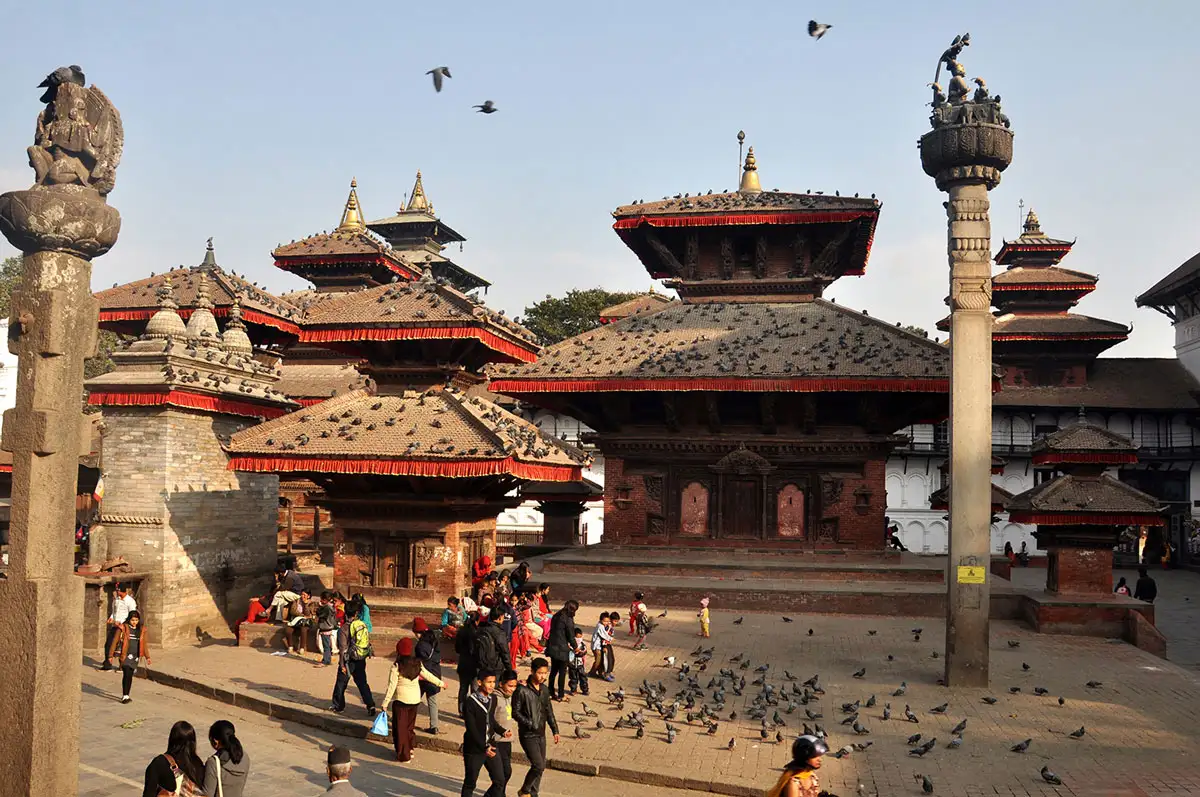
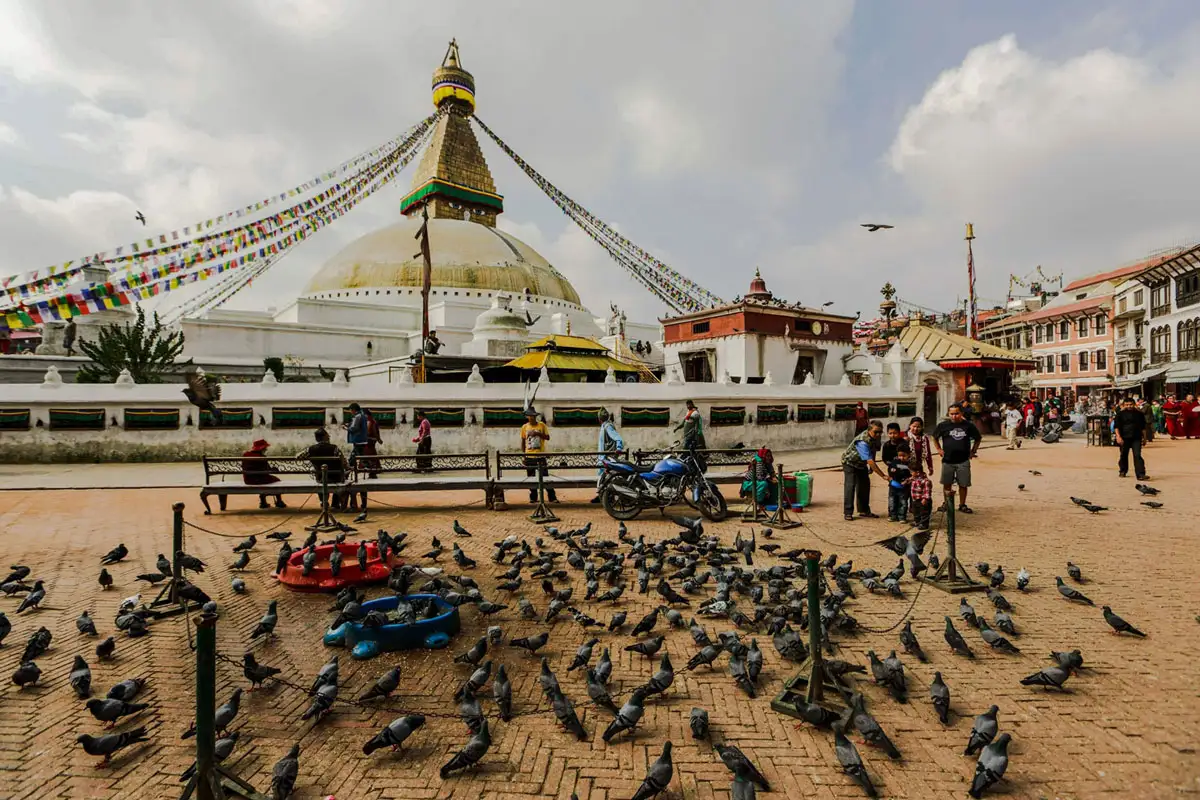
Local pilgrims and tourists walking on the brick courtyard path around Boudhanath Stupa next to a flock of feeding pigeons.

Boudhanath Stupa is one of the largest spherical stupas in the world and the spiritual heart of the Tibetan Buddhist community in Kathmandu. If you’re planning a visit, you’ll want clear answers before you go: how much does it cost, when is it open, how do you walk the kora correctly, and what should you avoid doing inside the monasteries around the plaza. This Boudhanath Stupa Kathmandu travel guide answers all of that, based on current entry rules, on-the-ground etiquette, and practical logistics for first-time visitors, families, solo travelers, and pilgrims alike.

Quick answer: Boudhanath Stupa in Kathmandu is a UNESCO World Heritage Site open daily from early morning until late evening. Foreign visitors pay an entrance fee at the main gates, SAARC nationals pay a reduced rate, and Nepali citizens enter free. Visitors walk clockwise around the stupa (the kora), spin the prayer wheels with their right hand, and dress modestly when entering surrounding monasteries.

Quick Facts: Boudhanath Stupa

  • Location: Boudha, northeastern Kathmandu, Nepal
  • UNESCO Status: Part of the Kathmandu Valley UNESCO World Heritage Site (inscribed 1979)
  • Height: Approximately 36 meters (118 feet)
  • Best time to visit: Early morning (6-8 AM) or around sunset for the evening lighting ritual
  • Typical visit duration: 1.5 to 3 hours, longer if you explore surrounding monasteries
  • Nearest landmarks: Kopan Monastery, Tara Gompa, Pashupatinath Temple, Tribhuvan International Airport

Why Visit Boudhanath Stupa

Boudhanath isn’t just a photo stop between Thamel and the airport. It’s a living pilgrimage site where thousands of Tibetan Buddhists, Sherpas, Tamangs, and monks complete their daily kora, spin brass prayer wheels, and murmur mantras beneath the stupa’s painted eyes. Since the 1959 Tibetan exodus, the neighborhood around the stupa has grown into Nepal’s largest Tibetan refugee settlement, filled with monasteries, thangka painting studios, and butter-lamp shops. Visiting here gives you a genuine window into Vajrayana Buddhist practice that’s harder to find in more touristed parts of the Kathmandu Valley.

History, Myth, and Religious Importance

Local legend traces Boudhanath’s origins to a poor poultry-keeper woman named Jazima, who asked the king for enough land to build a stupa and was granted only as much ground as a buffalo hide could cover, a space she cleverly expanded by cutting the hide into thin strips. Historically, the stupa is believed to enshrine relics of the past Buddha Kashyapa, and it has stood on Kathmandu’s ancient trade route to Tibet for over a thousand years, long serving as a waypoint where Tibetan traders and pilgrims would stop to pay respects before crossing the Himalaya. After the 2015 earthquake damaged its spire, the stupa was fully restored and reconsecrated in 2016 through community-funded restoration, a project that itself became a symbol of resilience for the local Tibetan community.

Special Cultural Activities and Rituals

  • Morning and evening kora: The busiest circumambulation times, when locals, monks, and elderly pilgrims walk together.
  • Butter lamp lighting: Devotees light lamps at small shrine niches around the stupa base, especially at dusk.
  • Monastic chanting and puja: Several gompas around the plaza hold open morning prayer sessions.
  • Lhosar (Tibetan New Year): The single biggest annual celebration at Boudhanath, usually falling in February or March.
  • Buddha Jayanti and Saga Dawa: Major Buddhist calendar events marked with additional lamps, prayer flags, and larger crowds.

Why Pilgrims Walk Clockwise Around Boudhanath Stupa

Short answer: Pilgrims walk clockwise around Boudhanath Stupa because, in Tibetan Buddhist cosmology, this direction mirrors the natural movement of the sun and the turning of the Dharma wheel. Walking clockwise, called doing a “kora,” is believed to accumulate merit and align the walker’s actions with the teachings of the Buddha, which are traditionally depicted moving in this same rotational direction.

You’ll notice that literally everyone at Boudha, monks, grandmothers with prayer beads, tourists who’ve picked up the habit, moves in the same direction. Walking counterclockwise is considered disrespectful and is sometimes reserved for specific Bon tradition rituals, which are a separate pre-Buddhist practice. As a visitor, simply follow the flow of the crowd and you’ll naturally be walking correctly.

How to Perform a Traditional Buddhist Kora at Boudha

  1. Start at any of the entry gates and join the circumambulation path moving clockwise (keep the stupa on your right shoulder).
  2. Spin the prayer wheels embedded in the base wall with your right hand as you pass, pushing them clockwise, never against the direction they’re built to turn.
  3. Walk at an unhurried pace. Locals often complete three, seven, or more full rounds, sometimes reciting the mantra “Om Mani Padme Hum” under their breath.
  4. Pause at the smaller shrine alcoves if you’d like to light a butter lamp or leave a small donation.
  5. Exit the circuit at any gate once you’ve completed your rounds; there’s no fixed minimum, one loop is perfectly acceptable for visitors.
Pro tip: Early morning kora (around sunrise) is the most atmospheric time, with maroon-robed monks, incense smoke, and the low murmur of mantras creating an experience quite different from the midday tourist crowd.

Meaning of the All-Seeing Eyes on the Boudhanath Stupa Tower

Short answer: The painted eyes on Boudhanath’s tower, known as the Buddha’s Wisdom Eyes, represent the all-seeing awareness of an enlightened being who watches over all directions simultaneously. The curling symbol between the eyes resembles the Nepali numeral “one,” symbolizing the unity of all things, while the third eye above represents higher spiritual perception.

These eyes gaze out toward all four cardinal directions, a reminder that Buddha’s compassion extends everywhere, not just to those directly in front. There’s no visible nose in the traditional sense, that curling squiggle you see is a stylized Devanagari numeral one, standing for unity and the singular path to enlightenment. Below the eyes, the tower is typically ringed with 13 golden steps leading to the spire, representing the 13 stages a being passes through on the path to enlightenment.

Spinning Prayer Wheels Clockwise at Boudha Mahachaitya

The rows of copper and brass prayer wheels lining the stupa’s base each contain tightly wound scrolls printed with mantras, most commonly “Om Mani Padme Hum.” Buddhist belief holds that spinning a wheel clockwise releases the same spiritual benefit as reciting the mantra aloud. Always push wheels in the clockwise direction only; you’ll sometimes see larger standing wheels near monastery entrances too, and the same rule applies there.


Boudhanath Stupa Ticket Price and Entry Details

Short answer: Boudhanath Stupa charges an entrance fee to foreign visitors, a discounted rate for SAARC nationals, and no fee for Nepali citizens. Tickets are sold at counters near the main entry gates and must be purchased before entering the plaza area.

Boudhanath Stupa Ticket Price for Foreign Nationals

Visitor Category Entry Fee Notes
Foreign nationals NPR 400 Official Nepal Tourism Board rate; cash only, carry small notes
SAARC nationals (including India) NPR 100 Valid passport or national ID required; India does not get a separate lower rate here, unlike at Pashupatinath
Chinese nationals NPR 400 Same rate as other non-SAARC foreign nationals
Nepali citizens Free Citizenship card may be requested
Children under 10 Free Per official Nepal Tourism Board listing
Note: These figures come from the Nepal Tourism Board’s official heritage site fee list. Rates are occasionally revised, so it’s worth a quick check at the ticket window on the day, especially if you’re reading this well after publication.

Where to Buy Entrance Tickets for the Boudha World Heritage Site

Tickets are sold at booths beside the main gates surrounding the stupa plaza, cash only in most cases. There’s no reliable way to buy Boudhanath entry tickets online in advance, so budget a few minutes at the counter, especially during Lhosar or weekend mornings when queues form. Keep your ticket stub until you exit, as staff occasionally check it inside the plaza.

Boudha Stupa Entry Fee Discount for SAARC and Indian Citizens

SAARC nationals (from countries like India, Bangladesh, Sri Lanka, Bhutan, and the Maldives) pay NPR 100 at Boudhanath, a quarter of the standard foreign rate. Unlike Pashupatinath Temple nearby, where Indian nationals are admitted free, Boudhanath treats Indian visitors the same as other SAARC nationals: NPR 100, with a passport or valid ID shown at the counter.

Official Opening and Closing Hours for Boudhanath Plaza

Day Visitor Hours Best Visiting Window
Monday – Sunday Approximately 5:30 AM – 8:00 PM 6:00 – 8:00 AM or 5:00 – 7:00 PM
Festival days (Lhosar, Buddha Jayanti) Same general window, but far busier Late afternoon into evening for lamp lighting

The outer kora path around the stupa is technically accessible from early morning, since it’s also a public thoroughfare used by residents, but the plaza’s ticketed inner areas and shops generally follow the hours above.

Is Boudhanath Stupa Open for Night Visits and Candle Lighting

Short answer: Boudhanath’s outer plaza stays accessible into the early evening, and many visitors time their visit around dusk specifically to see the daily butter lamp and candle lighting ritual, when hundreds of small flames are lit around the stupa’s base as monks and locals gather for evening prayers. The stupa is not typically open for late-night entry after the plaza gates close.

The evening lighting ceremony, usually starting around sunset, is arguably more atmospheric than the morning visit. Rooftop cafes around the plaza fill up specifically for this reason, giving you a bird’s-eye view as the stupa’s white dome catches the last light and the base glows with lamp flames.


Dress Code and Photography Rules Inside Boudhanath Monasteries

Short answer: Inside Boudhanath’s monasteries, visitors should dress modestly, covering shoulders and knees, remove shoes and hats before entering prayer halls, and avoid photographing monks during active rituals without permission. Flash photography and photos of sacred statues are often restricted, so check signage or ask a monk before shooting inside.
  • Dress: Shoulders and knees covered; loose, modest clothing is respectful for both men and women.
  • Footwear: Remove shoes before stepping onto carpeted prayer hall floors.
  • Head coverings: Remove hats and caps inside gompas.
  • Photography: Ask permission before photographing monks, especially during chanting or debate sessions; some inner shrine rooms prohibit photos entirely.
  • Behavior: Keep voices low, don’t point your feet toward shrines or monks, and never touch statues or ritual objects without invitation.
Common mistake: Tourists sometimes walk straight into a monastery mid-puja to get photos. Pause at the doorway first, gauge whether a session is in progress, and step in quietly if visitors are clearly welcome.

Sample Half-Day Kathmandu Valley Itinerary: Boudha and Swayambhunath

Short answer: A half-day itinerary covering both Boudhanath and Swayambhunath (the Monkey Temple) works well starting early at Boudha for the morning kora, followed by a taxi ride of around 25-35 minutes to Swayambhunath before the midday heat, then wrapping up by early afternoon.
Time Activity Notes
6:30 – 8:00 AM Kora at Boudhanath Stupa Best light, active local crowd, cooler temperatures
8:00 – 8:30 AM Breakfast at a rooftop cafe Stupa views while eating Tibetan bread or momos
8:30 – 9:00 AM Visit Tara Gompa or a nearby monastery Catch tail end of morning chanting
9:00 – 9:30 AM Taxi to Swayambhunath Approx. 25-35 minutes depending on traffic
9:30 – 11:30 AM Explore Swayambhunath (Monkey Temple) Climb the eastern stairway, valley viewpoint
11:30 AM onward Return to Thamel or continue sightseeing Combine with Kathmandu Durbar Square if time allows

How to Reach Boudhanath Stupa

Getting from Thamel to Boudhanath Stupa by Taxi: Cost and Time

Short answer: A taxi from Thamel to Boudhanath Stupa typically costs between NPR 250 and NPR 600 and takes 20 to 35 minutes depending on Kathmandu’s traffic. Street-hailed taxis rarely use their meters with tourists, so agreeing on a fare before getting in (or using a ride-hailing app) keeps things transparent.
  • By taxi: NPR 250-600 depending on negotiation and traffic; insist on a fare before boarding.
  • By ride-hailing app (Pathao, InDrive): Fares are shown upfront, often at the lower end of the range above.
  • By local bus/microbus: Under NPR 50, but slower and less comfortable with luggage.
  • By rented scooter: Flexible and cheap, but only advisable if you’re confident navigating Kathmandu traffic.

Can You Walk from Pashupatinath Temple to Boudhanath Stupa

Short answer: Yes, Pashupatinath Temple and Boudhanath Stupa are roughly 2 to 3 kilometers apart, a walk of about 30 to 40 minutes along mostly flat urban roads. Many travelers combine both sites in one morning since they sit close together on Kathmandu’s eastern side.

The walking route passes through fairly busy traffic and isn’t particularly scenic, so plenty of visitors instead take a short taxi ride (around NPR 200-300) between the two sites and save their energy for the kora itself.


What to Do Around Boudhanath: Monasteries, Shopping, and Views

Visiting Kopan Monastery and Tara Gompa Near Boudha

Kopan Monastery sits on a hillside roughly 20 minutes’ walk (or a short taxi ride) north of the stupa and is well known internationally for its meditation courses taught in English, run by the Foundation for the Preservation of the Mahayana Tradition. Even a short visit rewards you with valley views and a quieter, more contemplative atmosphere than the busy stupa plaza. Tara Gompa, closer to the stupa itself, is smaller and easier to combine with your kora walk, offering a good introduction to Tibetan monastic architecture without a long detour.

Where to Watch Artists Paint Authentic Tibetan Thangka in Boudha

Several thangka painting schools and studios operate within a few minutes’ walk of the stupa, some open to visitors who want to watch artists at work on these intricate, symbolic scroll paintings. Genuine hand-painted thangkas can take weeks to months depending on complexity, so prices vary enormously; if buying, ask about the materials used (mineral pigments versus synthetic paint) and whether the piece is hand-painted or printed, since printed reproductions are common and much cheaper.

Attending Morning Chanting and Puja Ritual at a Boudha Monastery

Many monasteries around the plaza open their prayer halls to respectful visitors during morning puja, typically starting between 6 and 7 AM. Sit quietly at the back, don’t use flash photography, and don’t leave abruptly during a chant, wait for a natural pause. This is one of the more memorable cultural experiences in the Kathmandu Valley precisely because it’s a genuine daily ritual, not a performance staged for tourists.

Buying Authentic Tibetan Singing Bowls and Prayer Beads in Boudha

Pro tip: Genuine hand-hammered singing bowls have slightly uneven surfaces and a complex, layered resonance when struck, while machine-made souvenir bowls sound flatter and more uniform. Ask the shopkeeper to demonstrate a few bowls before buying, and expect to pay more for antique or hand-forged pieces than for mass-produced ones.

The streets encircling the stupa are lined with shops selling prayer beads (mala), singing bowls, incense, and prayer flags. Bargaining is expected but should stay friendly, a 10-20% reduction from the initial asking price is typical for tourist-facing shops.

Best Rooftop Cafes with a Panoramic View of Boudhanath Stupa

A ring of rooftop and terrace cafes directly overlooks the stupa plaza, popular for breakfast, sunset drinks, and photography. Expect to pay a modest premium for the view, but it’s genuinely one of the best low-effort ways to appreciate the stupa’s scale and the daily rhythm of the kora below. Arrive slightly before sunset if you want a table with an unobstructed view during the lamp-lighting ritual.

Celebrating Lhosar Tibetan New Year Festival at Boudhanath Stupa

Lhosar, the Tibetan New Year, is the single most vibrant time to visit Boudhanath, typically falling in February or March depending on the lunar calendar. Expect the plaza filled with monks in ceremonial dress, traditional dance, extra butter lamps, and a noticeably festive crowd of both pilgrims and locals. If you’re visiting during Lhosar, arrive early, hotels and cafes near the stupa fill up quickly, and the plaza gets considerably more crowded than a normal day.


Is Boudhanath Stupa Safe for Solo Travelers Late in the Evening

Short answer: Boudhanath is generally considered safe for solo travelers in the early evening, particularly around the well-lit plaza during the lamp-lighting hour, but it’s advisable to head back to your accommodation before it gets fully dark, since some side streets around the plaza become quiet and poorly lit later at night.
  • Stick to the main plaza and well-lit kora path after dusk.
  • Use a ride-hailing app rather than walking back to Thamel alone late at night.
  • Keep valuables minimal and use a cross-body bag in crowded festival periods.
  • Solo female travelers generally report feeling comfortable during the day and early evening hours, with the usual common-sense precautions applying after dark, as in any city.

Accommodation Near Boudhanath

Budget Level What to Expect Approx. Price Range (per night)
Budget guesthouses Basic rooms, often run by Tibetan families, walking distance to the stupa USD 10 – 25
Mid-range hotels Private bathrooms, some with stupa-facing rooms or rooftop terraces USD 30 – 70
Boutique/luxury stays Higher-end finishes, some with direct stupa views, closer to Thamel or Durbar Marg for wider luxury options USD 100+

Food and Local Experiences Around Boudha

The Boudha area is one of the best places in Kathmandu for authentic Tibetan food: try thukpa (noodle soup), momos (steamed dumplings), and butter tea if you’re feeling adventurous with flavor. Many small family-run eateries in the backstreets serve simpler, cheaper versions of these dishes than the tourist-facing rooftop cafes, worth seeking out if you want a more local flavor and lower prices.

Boudhanath Stupa Visit: Realistic Cost and Budget Breakdown

Expense Approx. Cost (USD)
Entry ticket (foreign national, NPR 400) ~3
Taxi from Thamel (one way, NPR 250-600) 2 – 4.5
Rooftop cafe breakfast 4 – 8
Small souvenir (prayer beads, incense) 2 – 10
Half-day guided tour (optional) 15 – 30 per person

Travel Tips, Packing List, and Photography Advice

Packing Checklist

  • Modest clothing covering shoulders and knees
  • A light scarf or shawl for spontaneous monastery visits
  • Comfortable slip-on shoes, since you’ll remove them often
  • Small NPR cash notes for tickets and tips
  • A reusable water bottle
  • Sunscreen and a hat for the exposed plaza

Photography Tips

  • Golden hour (just after sunrise or before sunset) gives the dome its best glow.
  • Shoot from a rooftop cafe for a full plaza composition including the kora crowd.
  • Avoid flash or close-up shots of monks in prayer without asking first.
  • A wide-angle lens helps capture the stupa’s scale from ground level near the base.

Responsible Tourism at Boudhanath

Boudhanath is a working pilgrimage site, not a museum. Being a responsible visitor means keeping noise down inside monasteries, buying handicrafts directly from local artisans where possible rather than mass-imported souvenirs, and being mindful that your entry fee contributes toward the stupa’s ongoing maintenance and the local Tibetan community’s welfare. Avoid stepping on prayer flags or ritual objects on the ground, and always ask before photographing individuals up close.

Who Should Visit Boudhanath Stupa

  • Spiritual travelers and pilgrims: A genuine, active Buddhist pilgrimage site.
  • Families: Flat, walkable plaza and relatively short visit duration suit children and grandparents alike.
  • Solo travelers: Easy to navigate independently, with a welcoming cafe culture for meeting other travelers.
  • Photographers: Exceptional light, color, and texture, especially at dawn and dusk.
  • Trekkers before or after a Himalayan trek: Many trekkers visit Boudha to pay respects before heading into the mountains, or to unwind afterward.

Nearby Attractions

  • Pashupatinath Temple (Hindu cremation ghats and temple complex)
  • Swayambhunath Stupa (the Monkey Temple)
  • Kopan Monastery
  • Tara Gompa
  • Kathmandu Durbar Square
  • Tribhuvan International Airport (nearby, useful for arrival/departure planning)

Planning a Kathmandu Valley Trip?

Whether you want a half-day cultural tour combining Boudhanath and Swayambhunath, or a full Kathmandu Valley itinerary with a knowledgeable local guide, a customized plan makes it far easier to time your visit around the morning kora and evening lamp lighting.


Conclusion

Boudhanath Stupa rewards visitors who slow down and treat it as the active pilgrimage site it is, not just a checklist photo stop. Time your visit around the morning or evening kora, budget correctly for the entry fee and a rooftop breakfast, dress modestly if you plan to step inside a monastery, and you’ll come away with a far richer understanding of Tibetan Buddhist life in the Kathmandu Valley than a rushed midday visit ever provides. Whether you’re a solo backpacker, a family exploring Kathmandu for a day, or a trekker paying respects before heading into the Himalaya, this Boudhanath Stupa Kathmandu travel guide should leave you ready to visit with confidence.


Ready for your next adventure? Let us handle the details.

Nepal Tour Package

📞 +977 9841620757 (Available on WhatsApp, Viber, WeChat, RedNote)

✉️ info@nepaltourpackage.com / nepaltourpackage@outlook.com

💻 www.nepaltourpackage.com

📍 Kathmandu, Nepal

Frequently Asked Questions (FAQs)

Do I need a guide to visit Boudhanath Stupa?

No, Boudhanath is easy to visit independently, English signage and ticket counters make it straightforward. A local guide adds value mainly if you want deeper context on the symbolism, history, and monastery etiquette.

How long should I spend at Boudhanath Stupa?

Most visitors spend 1.5 to 2 hours for the kora, a cafe stop, and one monastery visit. Add another hour if you want to explore Kopan Monastery or shop for singing bowls and thangkas.

Is Boudhanath Stupa wheelchair or stroller accessible?

The main kora path is flat and paved, making it manageable for wheelchairs and strollers, though the surface can get crowded during festivals, and some monastery entrances have steps.

Can non-Buddhists walk the kora at Boudhanath?

Yes, all visitors are welcome to walk the kora respectfully in the clockwise direction. You don’t need to be Buddhist to join, just follow the same etiquette as pilgrims.

What should I wear to visit Boudhanath Stupa?

Modest clothing covering shoulders and knees is recommended, especially if you plan to enter any monastery. A light scarf is useful for quick coverage.

Are drones allowed at Boudhanath Stupa?

Drone use is generally restricted or requires special permission in Nepal, and flying one over a religious site like Boudhanath without clearance is likely to draw attention from authorities and disrespect the site’s sanctity.

What is the best time of year to visit Boudhanath?

October to April offers the clearest skies and most comfortable temperatures. If you want to see the biggest cultural celebration, plan around Lhosar in February or March.

Can I combine a Boudhanath visit with a Kathmandu Valley day tour?

Yes, Boudhanath pairs naturally with Pashupatinath Temple (close by) and Swayambhunath (a short taxi ride away), making a full or half-day Kathmandu Valley cultural circuit.

Is it disrespectful to take photos of monks at Boudhanath?

It can be, especially during active rituals. Always ask first, and avoid flash photography inside prayer halls.

Do children need to pay the entry fee at Boudhanath Stupa?

Policies vary and are periodically updated, young children are often exempt or charged a reduced rate, so confirm at the ticket counter on arrival.

What’s the difference between Boudhanath and Swayambhunath stupas?

Boudhanath is a massive, flat plaza-style stupa strongly associated with the Tibetan Buddhist community, while Swayambhunath sits atop a hill with resident monkeys and offers panoramic Kathmandu Valley views. Both are UNESCO-listed but offer distinct atmospheres.

Can I light a butter lamp at Boudhanath even as a tourist?

Yes, visitors are welcome to purchase and light butter lamps at the designated shrine niches around the stupa base as a gesture of respect or personal reflection.

Is there an entry fee to just eat at the rooftop cafes without visiting the stupa itself?

Most rooftop cafes sit just outside the ticketed inner plaza, so you can typically enjoy the view and a meal without paying the stupa entry fee, though some closer terraces may require it. Check locally, as layouts vary by cafe.

Do you have any feedback.

Fell free to send message to us

Leave a Reply

🙋 Need Help Planning Your Trip?

Our travel experts are online now — get instant answers to your questions!
📞 +977 9841620757


💬 Chat with Us Now

⚡ Avg. response time: under 10 minutes

🔥 LIMITED-TIME LOW FARES

✈️ Search Cheap Flights

🔒 Secure Booking
💰 Best Price Guarantee
⚡ Instant Results
🌍 500+ Airlines

The historic wooden architecture of the traditional Nine-Story Palace (Nautalle Durbar) courtyard in Kathmandu, Nepal
Kathmandu Durbar Square: Ancient Newari Palace Complex, Home of the Kumari
July 13, 2026
Multiple colorful paragliders soaring high over the lush green hills and blue waters of Phewa Lake, a popular adventure activity in Pokhara.
Paragliding in Pokhara 2026/2027: Price, Booking, Safety Rules, and Best Takeoff Points
July 12, 2026
A mountain teahouse lodge with a blue roof at Machapuchare Base Camp, featuring a fluttering Nepal flag against a backdrop of snowy valley walls.
Is Nepal Safe for Solo Female Travelers? Safety Tips and Advice
July 10, 2026
We are using cookies to give you the best experience. You can find out more about which cookies we are using or switch them off in privacy settings.
AcceptPrivacy Settings

GDPR

We value your privacy. Our website uses cookies and similar technologies to enhance your browsing experience, provide personalized content, and analyze site traffic. You can manage your consent settings below.

Need Help?