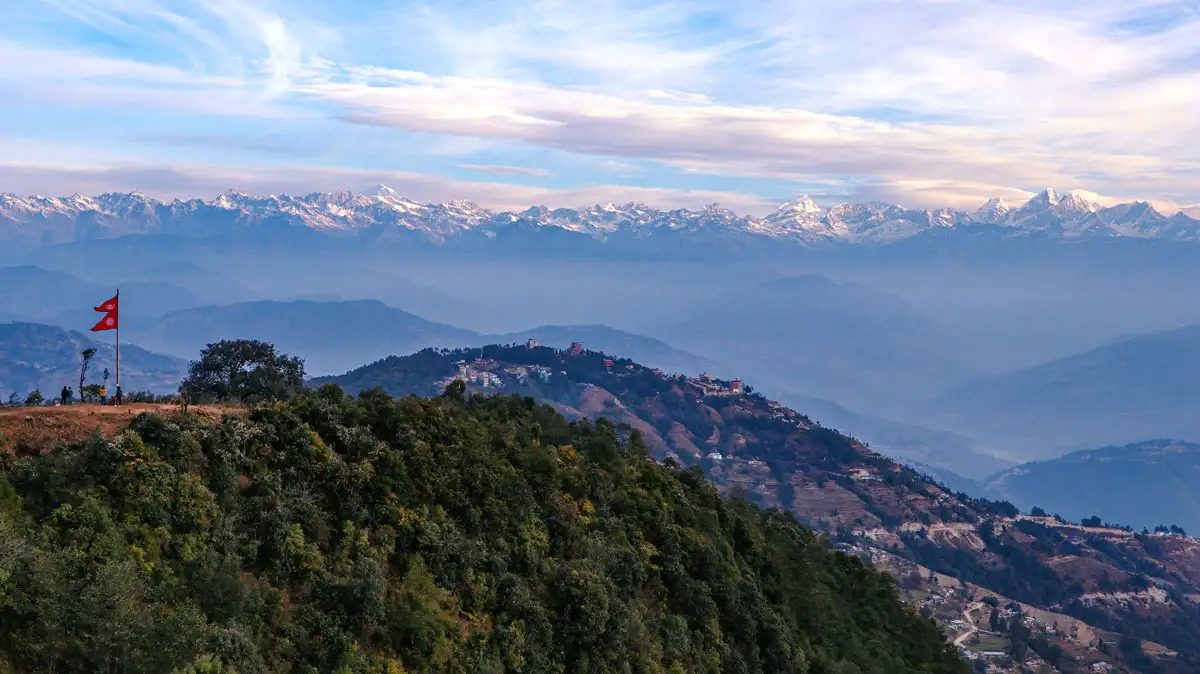
Every year, millions of Indian travelers look toward Nepal not just as a neighbor, but as a destination that holds spiritual depth, Himalayan grandeur, and rich cultural heritage. The draw is undeniable. Nepal is home to eight of the world’s ten highest peaks, ancient UNESCO-listed temples, and some of the most biodiverse landscapes on earth. For Indian passport holders, traveling to Nepal is uniquely accessible no visa is required, the Indian rupee is accepted, and direct connectivity by both train and flight makes it one of the most convenient international destinations available.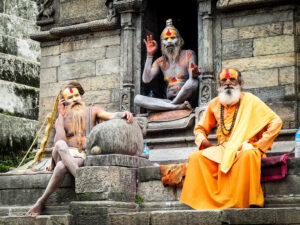
Yet despite this accessibility, many Indian travelers struggle to plan the journey efficiently. Questions about the best route from their city, whether to fly or take a train, what to see in Nepal, how long to stay, and how to book a reliable package often go unanswered in generic travel articles. This guide resolves all of that. It covers direct Nepal tour packages for Indian travelers in full detail from custom train and flight connections to curated itineraries, cost planning, and insider travel tips that experienced Nepal tour operators rely on.
Whether you are a first-time visitor from Delhi, a family traveling from Kolkata, a solo trekker from Mumbai, or a spiritual pilgrim from Varanasi this is your complete resource for planning a Nepal journey that actually works.
Nepal sits at a unique crossroads of culture, spirituality, and natural adventure that resonates deeply with Indian travelers. The cultural overlap is significant Hinduism and Buddhism are the dominant religions in both countries, making temples like Pashupatinath in Kathmandu deeply meaningful for Indian pilgrims. The shared history, similar food culture, and common linguistic threads make Nepal feel familiar yet distinctly different.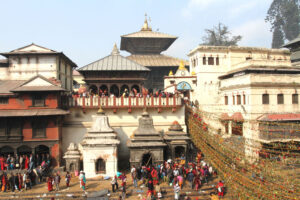
Beyond spirituality, Nepal offers experiences that are difficult to find anywhere else at this price point. Trekking routes like the Everest Base Camp Trail, Annapurna Circuit, and Langtang Valley deliver world-class Himalayan adventure. The ancient city of Bhaktapur transports visitors to a medieval world that has been remarkably preserved. Chitwan National Park offers wildlife safaris to see one-horned rhinos and Bengal tigers. Pokhara, resting beside Phewa Lake with Annapurna rising behind it, is among Asia’s most visually striking cities.
For Indian travelers specifically, Nepal offers one more compelling advantage: affordability. When compared to European, Southeast Asian, or long-haul destinations, Nepal delivers exceptional value luxury hotels, guided tours, and trekking experiences are all available at prices that make extended stays financially practical.
Indian citizens enjoy a uniquely privileged travel arrangement with Nepal. Here is what you need to know:
No Visa Required: Indian passport holders do not need a visa to enter Nepal. Entry is permitted on the basis of a valid Indian passport or voter ID card (Aadhaar alone is not sufficient at most entry points carry a passport for international flights).
Currency: The Indian Rupee (INR) is accepted widely in Nepal, though the Nepalese Rupee (NPR) is the official currency. The exchange rate is approximately 1 INR = 1.6 NPR. Indian currency notes of INR 500 and above are not accepted in Nepal, so carry smaller denominations or exchange money at the border or in Kathmandu.
No Currency Cap: Indian travelers can carry Indian rupees into Nepal without restriction, which simplifies trip financing considerably.
Travel Documents Needed:
These relaxed entry requirements make Nepal the most accessible international destination for Indian travelers and significantly reduce pre-trip administrative burden.
Train travel remains one of the most popular and cost-effective ways for Indian travelers to reach Nepal particularly for those from eastern and northern India. While there is no direct rail link running all the way to Kathmandu, India’s railway network connects to border towns from where Nepal is easily accessible by road.
1. Delhi to Gorakhpur → Sunauli Border → Pokhara/Kathmandu
This is the most commonly used train route for travelers from Delhi, Agra, Lucknow, and surrounding areas. Multiple express trains run between Delhi and Gorakhpur, including the Godan Express, Rapti Sagar Express, and Shatabdi-class services. From Gorakhpur, shared jeeps and buses operate to the Sunauli-Belahiya border crossing in under two hours. Beyond the border, direct buses and tourist coaches run to Pokhara (around 6–7 hours) and Kathmandu (around 9–10 hours).
2. Kolkata to Raxaul → Birgunj → Kathmandu
For travelers from West Bengal, Bihar, and the eastern states, the Kolkata–Raxaul route via Patna or directly through the Mithila Express is highly practical. From Raxaul, the Nepal border town of Birgunj is minutes away. Tourist buses and private transfers connect Birgunj to Kathmandu in approximately 6–8 hours via Hetauda.
3. Patna/Varanasi to Nautanwa → Bhairahawa → Lumbini/Pokhara
Travelers from Bihar and Uttar Pradesh can use the Nautanwa entry point, which is the closest land crossing to Lumbini the birthplace of Lord Buddha. This route is especially popular with spiritual pilgrims. From Bhairahawa, Lumbini is less than 30 minutes away.
4. Siliguri/NJP to Kakarbhitta → Biratnagar/Pokhara/Kathmandu
For travelers from the northeast Assam, Sikkim, Darjeeling, and beyond the Kakarbhitta border crossing near Siliguri is the primary entry point. From here, buses and jeeps connect to Biratnagar, Pokhara, and Kathmandu.
When booking a Nepal tour package from India by train, most reliable tour operators will arrange:
Opting for a package that handles the train-to-Nepal transition is strongly recommended. The border zones, though manageable, are unfamiliar territory for first-time visitors. Experienced operators navigate these transitions efficiently, including currency exchange, local transportation, and customs formalities.
For travelers prioritizing speed and comfort, direct flights from Indian cities to Kathmandu’s Tribhuvan International Airport are the preferred option. Kathmandu is Nepal’s only international airport and serves as the gateway for all air arrivals.
| Departure City | pe=”col”>Airlines | Average Flight Duration | Approx. Airfare (One Way) |
|---|---|---|---|
| Delhi (DEL) | IndiGo, Air India, Nepal Airlines | 1h 30min | ₹4,000 – ₹10,000 |
| Mumbai (BOM) | IndiGo, Air India, Nepal Airlines | 2h 30min | ₹5,500 – ₹13,000 |
| Kolkata (CCU) | IndiGo, Air India, Vistara | 1h 10min | ₹3,500 – ₹8,000 |
| Bangalore (BLR) | IndiGo, Air India | 3h 00min | ₹6,000 – ₹14,000 |
| Chennai (MAA) | IndiGo, Air India | 3h 15min | ₹6,500 – ₹14,500 |
| Hyderabad (HYD) | IndiGo, Air India | 2h 45min | ₹6,000 – ₹13,500 |
| Varanasi (VNS) | IndiGo, Nepal Airlines | 45min | ₹3,000 – ₹7,000 |
| Lucknow (LKO) | IndiGo | 1h 00min | ₹3,500 – ₹8,000 |
Flights from Kolkata and Varanasi are the shortest and most affordable, making cities in eastern India ideal for Nepal air travel. Delhi remains the highest-traffic corridor with the most flight frequency.
Since 2023, Pokhara International Airport has been operational and is expected to receive more international flights in the coming years. Indian carriers are progressively expanding routes to Pokhara, which eliminates the need to transit through Kathmandu for travelers focused on the Annapurna region and lakeside relaxation. Check current availability with your tour operator, as routes are actively being developed.
Flight-inclusive Nepal tour packages from India typically include:
Choosing the right route depends heavily on your starting point in India. Here is a destination-based breakdown:
From Delhi NCR:
From Mumbai:
From Kolkata:
From Varanasi:
From Chennai / Bangalore / Hyderabad:
Custom Nepal tour packages are designed around your specific travel needs your departure city, preferred travel mode, budget, interests, travel dates, and group composition. Unlike fixed packages, custom packages are built itinerary-first, then layered with transportation, accommodation, and activity options that align with what you want.
Here is how reputable Nepal tour operators structure custom packages for Indian travelers:
By Travel Mode:
By Group Type:
By Interest:
By Duration:
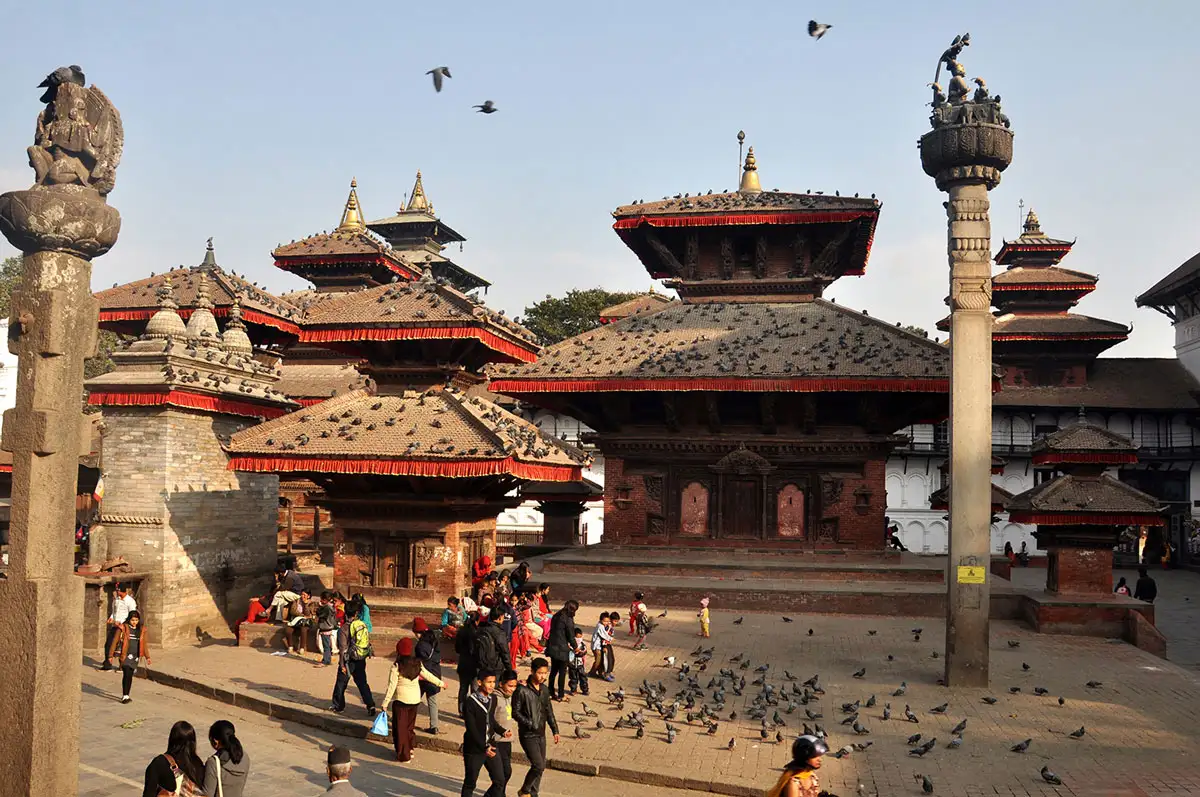
Nepal’s capital is the inevitable starting point for most tours. It houses seven UNESCO World Heritage Sites within the Kathmandu Valley alone. Key attractions include Pashupatinath Temple one of the holiest Hindu shrines in the world Boudhanath Stupa, Swayambhunath (the Monkey Temple), Durbar Squares in Kathmandu, Patan, and Bhaktapur, and the historic Thamel district for shopping and dining.
For Indian travelers, Pashupatinath holds special religious significance. The evening aarti here is deeply moving, drawing pilgrims and tourists alike. Explore Kathmandu tour packages for curated city itineraries.
Pokhara is Nepal’s second city and its adventure capital. Set beside the calm waters of Phewa Lake with the Annapurna massif as its backdrop, it is one of the most visually dramatic cities in Asia. Activities here include: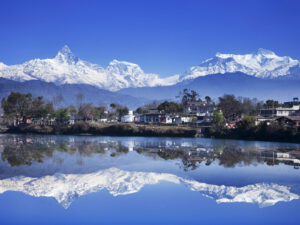
Pokhara is essential in any 5-day or longer Nepal itinerary for Indian travelers. Browse Pokhara tour packages to find the right fit.
A UNESCO World Heritage Site and one of Asia’s finest wildlife reserves, Chitwan offers jungle safaris, elephant-back rides, canoe rides on the Rapti River, and naturalist-guided walks through dense sal forests. Visitors can encounter one-horned rhinoceroses, gharial crocodiles, Bengal tigers, and over 500 bird species.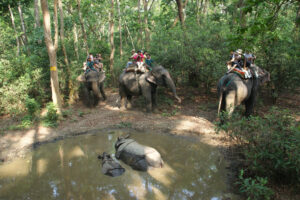
The park sits in the Terai lowlands and is about 5–6 hours by road from Kathmandu. Most 7-day Nepal packages include a 2-night Chitwan extension. Check our Chitwan wildlife safari packages for details.
The birthplace of Siddhartha Gautama Lord Buddha Lumbini is one of the most significant pilgrimage sites in the world. The Maya Devi Temple marks the exact birth spot, and the surrounding sacred garden contains the Ashoka Pillar erected by Emperor Ashoka in 249 BCE. The Lumbini Development Zone houses monasteries built by Buddhist nations from around the world.
For Indian spiritual travelers, Lumbini connects directly to the Buddhist circuit that includes Bodh Gaya, Sarnath, and Kushinagar. It is best visited via the Bhairahawa/Nautanwa border crossing from Varanasi or Gorakhpur. See our Lumbini pilgrimage packages.
Even for non-trekkers, the Everest region is accessible via short mountain flights from Kathmandu to Lukla, or via the thrilling Everest scenic flight that provides aerial views of the world’s highest peak. Serious trekkers can attempt routes from Everest Base Camp trekking a 12–14 day commitment or shorter alternatives like Gokyo Lakes or Namche Bazaar.
The Annapurna Circuit and Annapurna Base Camp trek are among the world’s most celebrated trekking routes. Shorter versions are available for travelers with 6–8 days. The region also includes Jomsom, Muktinath Temple (sacred to both Hindus and Buddhists), and the Mustang Valley. Browse Annapurna trekking packages for all difficulty levels.
A hilltop village east of Kathmandu, Nagarkot is famous for panoramic Himalayan sunrise views on clear days, visitors can see from Dhaulagiri in the west to Kanchenjunga in the east. It is commonly added as a one-night extension to Kathmandu-based itineraries.
Nepal’s seasons align somewhat with India’s, but with important differences due to altitude variation.
This is universally considered the best time to visit Nepal. The monsoon has cleared, skies are crystal-clear, and mountain views are at their finest. Temperatures are pleasant across all elevations. Trekking conditions are ideal. Festivals including Dashain and Tihar fill the country with color and celebration a particularly meaningful experience for Indian Hindu travelers. Book well in advance for this period.
Spring is the second-best window for Nepal travel. Rhododendron forests bloom at altitude, creating vivid red-and-pink hillsides. Trekking remains excellent, and Everest Base Camp sees its highest summit activity. Temperatures rise toward May, and some pre-monsoon haze begins appearing in late April.
Winter offers lower prices and fewer crowds. Kathmandu and Pokhara are comfortable, though mountain trails above 3,000m can be snow-covered and challenging. Wildlife viewing at Chitwan is excellent in winter. Budget travelers and experienced trekkers who can handle cold conditions find December–February excellent value.
The monsoon is generally not recommended for Nepal tours, especially trekking. Heavy rainfall causes landslides, leeches appear on forest trails, and cloud cover blocks mountain views. However, the Mustang Valley (rain-shadow region) remains dry and is a specialist destination during this period. Cultural tours of Kathmandu and Pokhara can still work if travelers accept some rain.
Day 1: Arrive in Kathmandu (flight or border transfer). Hotel check-in. Evening visit to Thamel.
Day 2: Kathmandu sightseeing, Pashupatinath Temple, Boudhanath Stupa, Swayambhunath. Overnight in Kathmandu.
Day 3: Drive to Pokhara (6–7 hrs) or fly (25 min). Afternoon: Phewa Lake boat ride. Sunset at Peace Pagoda.
Day 4: Sunrise at Sarangkot. Paragliding (optional). Davis Falls, Gupteswar Cave, International Mountain Museum.
Day 5: Return to Kathmandu. UNESCO heritage walk in Patan Durbar Square. Evening at leisure.
Day 6: Departure from Kathmandu airport or transfer to border for train.
Day 1: Arrive Kathmandu. Check-in. Welcome dinner.
Day 2: Kathmandu full-day heritage tour, Pashupatinath, Boudhanath, Swayambhunath, Durbar Square.
Day 3: Drive to Chitwan (4–5 hrs). Afternoon elephant bathing. Evening jungle campfire.
Day 4: Chitwan jungle activities, jeep safari, bird watching, canoe ride. Tharu cultural show.
Day 5: Transfer to Pokhara (3–4 hrs). Phewa Lake. Lakeside dinner.
Day 6: Sarangkot sunrise. Paragliding or boating. Free afternoon.
Day 7: Drive or fly back to Kathmandu. Bhaktapur Durbar Square. Farewell dinner.
Day 8: Departure.
/>
Extended Tour (Heritage + Wildlife + Trekking)
This itinerary adds a 3-night trekking extension in the Annapurna foothills (Ghandruk or Poon Hill) between Pokhara and Kathmandu suitable for fit walkers without extreme trekking experience. It also includes Nagarkot for Himalayan sunrise, and covers all major cultural and spiritual sites. Ideal for travelers who want a complete Nepal experience on a single trip.
Detailed day-by-day itinerary is available on our 10-day Nepal tour package page.
Prices vary based on group size, accommodation level, travel mode, and season. Here is a general framework:
| Duration | Cost Per Person (INR) |
|---|---|
| 5 Nights / 6 Days | ₹18,000 – ₹28,000 |
| 7 Nights / 8 Days | ₹25,000 – ₹38,000 |
| 10 Nights / 11 Days | ₹38,000 – ₹55,000 |
Note: Excludes airfare from India. Add ₹6,000–₹15,000 for return flights depending on departure city.
| Duration | Cost Per Person (INR) |
|---|---|
| 5 Nights / 6 Days | ₹32,000 – ₹48,000 |
| 7 Nights / 8 Days | ₹45,000 – ₹65,000 |
| 10 Nights / 11 Days | ₹60,000 – ₹90,000 |
| Duration | Cost Per Person (INR) |
|---|---|
| 5 Nights / 6 Days | ₹65,000 – ₹1,20,000 |
| 7 Nights / 8 Days | ₹90,000 – ₹1,60,000 |
| 10 Nights / 11 Days | ₹1,30,000 – ₹2,50,000 |
Group discounts typically begin at 6+ travelers and increase significantly for groups of 15 or more. Family packages (2 adults + 2 children) are often priced at 10–15% lower than four individual rates.
Reputable Nepal tour packages for Indian travelers typically include the following components:
Transportation:
Accommodation:
Meals:
Sightseeing:
Other Inclusions:
Typically Excluded:
Always read the inclusion/exclusion list carefully before booking. A transparent tour operator will clearly spell out what is and is not covered.
Currency Matters: Exchange INR 100 and INR 200 notes for NPR at border money changers or Kathmandu banks. INR 500 and INR 2000 notes are not accepted in Nepal.
SIM Cards: Indian mobile SIMs work in Nepal on roaming, but it can be expensive. Purchasing a local Ncell or Nepal Telecom SIM in Kathmandu costs very little and offers excellent 4G coverage.
Altitude Awareness: Kathmandu sits at 1,400m, Pokhara at 827m both are fine for most travelers. If you plan to trek above 3,000m, take at least one day to acclimatize before ascending further. Drink plenty of water and avoid alcohol for the first 24 hours.
Bargaining Culture: In markets and with tuk-tuks and non-metered taxis, bargaining is expected. In established restaurants and hotels, prices are fixed.
Religious Etiquette: Nepal is a deeply religious country. Remove shoes before entering temples. Dress modestly at religious sites shoulders and knees covered. Always walk clockwise around stupas and prayer wheels.
Food Safety: Stick to cooked food and avoid raw vegetables and unfiltered water. Reputable restaurants in Thamel, Lakeside Pokhara, and tourist areas maintain good hygiene standards.
Weather Preparation: Even in October–November, evenings can be cold in Kathmandu. Pack a light jacket. If trekking, full warm layers are essential regardless of season.
Travel Insurance: While entry is visa-free, medical emergencies in Nepal, especially at altitude can be expensive. Travel insurance covering emergency helicopter evacuation is strongly advised for trekkers.
Nepal is not just a destination for Indian travelers, it is an extension of shared heritage, spiritual connection, and Himalayan wonder that few places in the world can replicate. The combination of visa-free travel, direct train and flight connectivity, shared cultural values, and exceptional natural beauty makes Nepal the most natural international choice for Indian tourists across every travel profile.
Whether you are drawn by the sacred flames of Pashupatinath, the mirror-still waters of Phewa Lake, the roar of white-water rapids on the Trishuli River, the silence of a high-altitude trail, or the rare and powerful sight of Everest above the clouds Nepal delivers it all with authenticity and accessibility.
Planning matters. The difference between a frustrating Nepal trip and an unforgettable one lies in choosing the right route, the right timing, and the right partners on the ground. A well-crafted Nepal tour package designed specifically for Indian travelers eliminates guesswork, handles logistics seamlessly, and lets you focus entirely on the experience.
Ready to begin? Explore our range of ref=”https://nepaltourpackage.com/”>direct Nepal tour packages for Indian travelers custom-built by experts who know every trail, temple, and hidden gem this remarkable country holds. Whether you prefer the flexibility of a custom itinerary or the ease of a fixed package, our team is ready to make your Nepal journey exactly what you have been dreaming of.