📧 Quick Questions? Email Us
nepaltourpackage@outlook.com

📞 Talk to a Travel Expert (Bimalendra)
+977-9841620757

Top Mountains in Nepal: The Ultimate Guide to the Himalayas

Nepal Tour Package > Blog > Top Mountains in Nepal: The Ultimate Guide to the Himalayas

Nepal is home to eight of the world’s fourteen 8,000-meter mountains, including Mount Everest (Sagarmatha), the highest point on Earth at 8,848.86 meters. Beyond these giants, the country protects an extraordinary catalogue of peaks — from the granite spire of Ama Dablam to lesser-known 6,000-meter trekking peaks like Mera Peak and Island Peak that ordinary fit travelers can climb with a guide. Officially, Nepal’s Ministry of Tourism and the Nepal Mountaineering Association (NMA) have opened hundreds of peaks for expedition and trekking, spread across ranges such as Khumbu, Annapurna, Dhaulagiri, Kanchenjunga, Manaslu (Mansiri), Langtang, and Rolwaling.

Whether you’re a seasoned mountaineer chasing an 8,000er, a trekker hoping to stand at Everest Base Camp, a family wanting mountain views without technical difficulty, or a spiritual traveler drawn to sacred peaks like Machapuchare and Kailash-adjacent ranges, Nepal has a mountain experience matched to your ability and time. This guide breaks down the country’s most important peaks, how to reach them, permits and costs, the best seasons, and practical planning advice from people who actually work in these mountains — so you can choose the right trip and avoid the common mistakes first-time visitors make.


Why Nepal Is the World’s Mountain Capital

Nepal packs eight of the planet’s 8,000m peaks and thousands of lesser summits into a country roughly the size of England. This geological concentration exists because Nepal sits on the collision zone between the Indian and Eurasian tectonic plates — the same slow-motion crash that continues to push Everest a few millimeters higher every year. For travelers, that means a two-week trip can move you from subtropical jungle in Chitwan to glaciated 6,000m passes in the Khumbu, often within a single itinerary.

Quick Answer: Nepal has 8 of the world’s 14 “eight-thousanders” (peaks above 8,000m) and roughly 468 mountains officially opened for climbing by the Nepali government, ranging from technical 8,000m expeditions to beginner-friendly trekking peaks under 6,500m.


Nepal’s Eight-Thousanders: The World’s Highest Mountains

These are the eight peaks in Nepal that exceed 8,000 meters — the most sought-after summits in mountaineering, all requiring expedition-level permits, experienced Sherpa support, and serious acclimatization.

Mountain Elevation (m) Range World Rank Status
Sagarmatha (Mount Everest) 8,848.86 Khumbu 1st Opened
Kanchenjunga Main 8,586 Kanchenjunga 3rd Opened
Lhotse 8,516 Khumbu 4th Opened
Makalu I 8,463 Mahalangur 5th Opened
Cho Oyu 8,201 Khumbu 6th Opened
Dhaulagiri I 8,167 Dhaulagiri 7th Opened
Manaslu 8,163 Mansiri 8th Opened
Annapurna I 8,091 Annapurna 10th Opened

Pro tip: Everest and Annapurna I are the most climbed, but Annapurna I has a historically higher fatality-to-summit ratio, while Manaslu has become the more “accessible” 8,000er for climbers building toward Everest.


Iconic Peaks Trekkers Actually See (Non-Technical Viewing)

You don’t need to be a mountaineer to stand near giants. These are the peaks most trekkers photograph, even without climbing them:

  • Ama Dablam (6,814m) – Khumbu region; widely called the most beautiful mountain in the world, visible on the Everest Base Camp trek.
  • Machapuchare (Fishtail, ~6,993m) – Annapurna region; sacred to Hindus and legally closed to climbers, so it remains permanently unsummited.
  • Nuptse (7,855m) and Thamserku (6,623m) – frame the classic Khumbu skyline seen from Namche Bazaar and Tengboche.
  • Langtang Lirung (7,234m) – the highest peak in the Langtang range, reachable on a shorter 7–10 day trek from Kathmandu.
  • Gaurishankar (7,135m) – considered sacred, near the Rolwaling valley.

Popular Trekking Peaks (NMA-Classified): For Ambitious Non-Climbers

Nepal’s Mountaineering Association classifies a set of peaks (mostly 5,800–6,600m) as “trekking peaks” — they need a simplified permit and basic mountaineering skills rather than full expedition experience. This is the entry point for travelers who want a real summit without years of technical training.

Trekking Peak Elevation (m) Range Best For
Island Peak (Imja Tse) 6,165 Khumbu Most popular first climb, EBC add-on
Mera Peak 6,470 Khumbu Nepal’s highest trekking peak, big views
Lobuche East 6,090 Khumbu Technical practice near EBC
Chulu East 6,584 Damodar/Annapurna Combine with Annapurna Circuit
Pisang Peak 6,091 Damodar Annapurna Circuit add-on
Singu Chuli 6,501 Annapurna Annapurna Sanctuary trekkers
Yala Peak ~5,500 Langtang Beginner-friendly, short approach

Note: Elevation figures for trekking peaks vary slightly between the NMA and other survey sources; always confirm current figures with your permit-issuing body before booking.


Mountain Ranges of Nepal at a Glance

Nepal’s peaks are grouped into ranges (himal), each with its own trekking culture, access route, and permit system.

Range Signature Peak Known For
Khumbu (Everest region) Sagarmatha (Everest) EBC trekking, Sherpa culture, busiest region
Annapurna Annapurna I Annapurna Circuit, Annapurna Base Camp, Poon Hill
Kanchenjunga Kanchenjunga Main Remote, low-traffic, wilder trekking
Dhaulagiri Dhaulagiri I Deep gorges, challenging circuit trek
Mansiri (Manaslu) Manaslu Restricted-area trekking, growing in popularity
Langtang Langtang Lirung Closest Himalayan trekking to Kathmandu
Rolwaling Gaurishankar Off-the-beaten-path, technical trekking
Ganesh Ganesh I Quiet, less-visited alternative near Kathmandu

Across these ranges, Nepal has opened roughly 468 mountains for mountaineering to date, according to Nepal’s Department of Tourism peak-opening records, with a mix marked “Opened,” “Proposed to open,” and a small number “Not open for expedition.”
 

Mountains in Nepal — Filterable Table
Showing 468 of 468 peaks
Opened Proposed to open Not open for expedition
#
Elevation and range data reflect Nepal's official peak-opening records. Figures for closely related sub-peaks within one massif may be reported slightly differently across surveys — always confirm exact elevation and permit status with Nepal's Department of Tourism or the Nepal Mountaineering Association before booking an expedition.

Frequently Asked Questions (FAQs)

What is the highest mountain in Nepal?

Sagarmatha (Mount Everest) is Nepal’s and the world’s highest mountain at 8,848.86 meters, located in the Khumbu region of the Mahalangur Himal.

How many 8,000m mountains does Nepal have?

Nepal has eight of the world’s fourteen 8,000-meter peaks: Everest, Kanchenjunga, Lhotse, Makalu, Cho Oyu, Dhaulagiri I, Manaslu, and Annapurna I.

Do I need mountaineering experience to see Everest?

No. Trekkers with good fitness can reach Everest Base Camp (5,364m) or Kala Patthar without technical climbing skills, though it does require several days of acclimatization.

What is the best time of year to see Nepal's mountains?

Spring (March–May) and autumn (September–November) offer the clearest skies and most stable weather for both trekking and climbing.

What is a "trekking peak" in Nepal?

A trekking peak is one of roughly 33 mountains (mostly 5,800–6,600m) classified by the Nepal Mountaineering Association as accessible with a simplified permit and basic mountaineering skills, rather than a full expedition permit.

How much does it cost to trek in the Everest or Annapurna region?

Budget roughly $1,200–$2,500 per person for a 12–16 day guided teahouse trek, including permits, guide, porter, and basic accommodation, excluding international flights.

Is Mount Everest open for regular tourists to climb?

Yes, but only through a paid expedition permit, professional guiding support, and significant prior high-altitude experience; it is not suitable for casual trekkers.

What permits do I need to trek in Nepal?

Most routes require a TIMS card and a relevant National Park or Conservation Area permit; restricted regions like Manaslu and Upper Mustang need an additional special permit arranged through a licensed agency.

Which mountain in Nepal is best for beginners?

Short routes near Poon Hill or Ghorepani in the Annapurna region offer strong mountain views with relatively gentle trekking, making them ideal for first-timers.

Why is Machapuchare (Fishtail Mountain) never climbed?

Machapuchare is considered sacred by local communities, and Nepal’s government has kept it legally closed to climbing since a 1957 near-summit attempt.

What is the safest way to avoid altitude sickness?

Ascend gradually, limit sleeping-altitude gain to 300–500m per day above 3,000m, stay hydrated, and descend immediately if symptoms like severe headache or confusion appear.

Can families with kids do a Nepal mountain trek?

Yes — shorter, lower-altitude routes like parts of Langtang or Poon Hill are manageable for older children and reasonably fit families, though high-altitude routes like EBC are better suited to teens and adults.

How many mountains are officially open for climbing in Nepal?

Nepal’s Department of Tourism has opened approximately 468 mountains for expedition and trekking climbing, spanning ranges from Kanchenjunga in the east to Api and Saipal in the far west.

Do you have any feedback.

Fell free to send message to us

Leave a Reply

🙋 Need Help Planning Your Trip?

Our travel experts are online now — get instant answers to your questions!
📞 +977 9841620757


💬 Chat with Us Now

⚡ Avg. response time: under 10 minutes

🔥 LIMITED-TIME LOW FARES

✈️ Search Cheap Flights

🔒 Secure Booking
💰 Best Price Guarantee
⚡ Instant Results
🌍 500+ Airlines

An aerial drone perspective looking down at the newly reconstructed white Dharahara Tower and its modern landscaped public park grounds in downtown Kathmandu, Nepal.
Dharahara Tower Kathmandu: Best Time & Full Guide
July 3, 2026
International travelers with luggage carts standing at the official Ncell and Nepal Telecom Namaste 4G tourist SIM card activation booths inside Tribhuvan International Airport arrivals terminal in Kathmandu.
Tourist SIM Card at Kathmandu Airport: 10-Min Guide
July 3, 2026
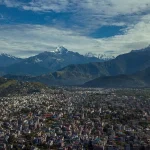
An aerial panoramic view of the sprawling Pokhara cityscape nestled beneath the massive peaks of the Annapurna mountain range.
Pokhara Tour Package – Complete Nepal Travel Guide
June 28, 2026
We are using cookies to give you the best experience. You can find out more about which cookies we are using or switch them off in privacy settings.
AcceptPrivacy Settings

GDPR

We value your privacy. Our website uses cookies and similar technologies to enhance your browsing experience, provide personalized content, and analyze site traffic. You can manage your consent settings below.

Need Help?