If you’re checking the Kathmandu to Chitwan road condition before booking your jungle safari, here’s the honest, current picture: the 150–165 km route via the Prithvi Highway and Narayangadh–Mugling road is fully paved, but it’s a mountain highway, not a motorway, and monsoon-season landslides (roughly June to September) remain the biggest wildcard. As of July 2026, the Nagdhunga Tunnel — a 2.7 km bypass that will eventually cut the Kathmandu entry/exit bottleneck from over 30 minutes to under 10 — is in its final testing phase and expected to open within days to weeks, so most travelers are still using the old Nagdhunga pass for now. The Narayangadh–Mugling stretch has 43 officially mapped landslide-risk points, and short closures of a few hours to a couple of days do happen during heavy rain, though the road is cleared quickly and reopens the same day in the vast majority of cases.
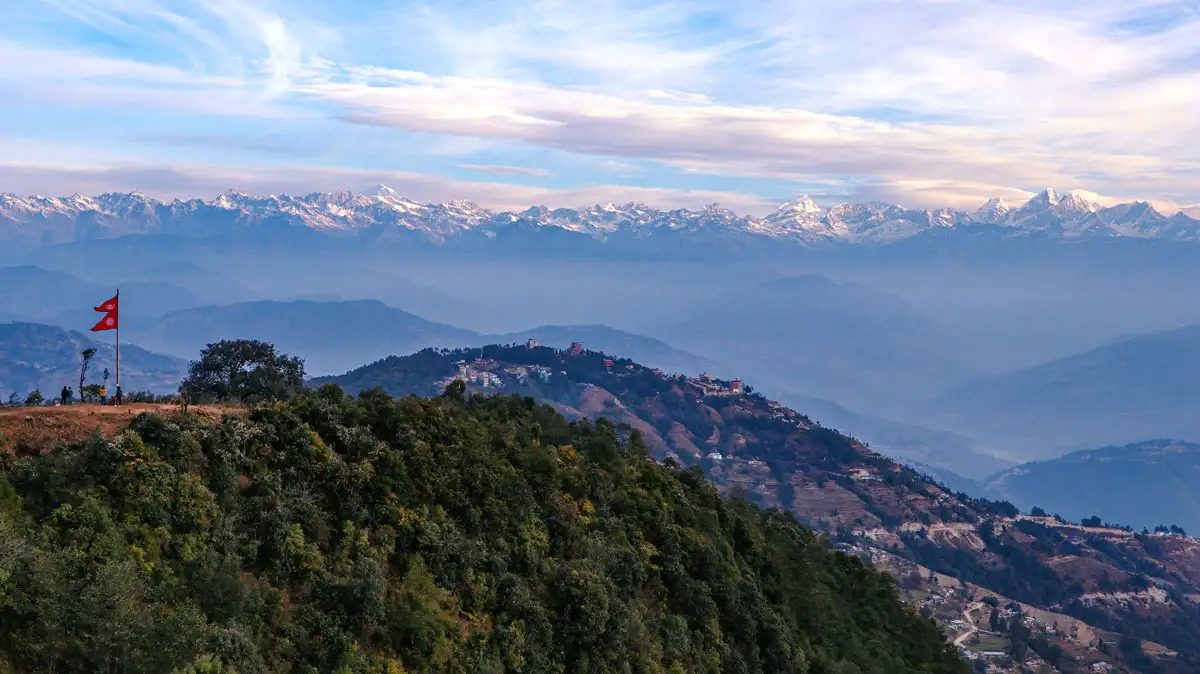
Realistically, budget 5 to 7 hours by private car or jeep, and 6 to 8 hours by tourist bus, for the roughly 150 km journey from Thamel to Sauraha. That’s slower than the distance suggests, and that’s normal here — the road winds through the Mahesh Khola and Trishuli River gorges, climbs over the Kathmandu rim, and shares space with trucks, buses, and roadside construction. The good news: it’s also one of the most scenic drives in Nepal, with river-valley views, terraced hillsides, and genuinely good lunch stops at Malekhu and Mugling. This guide breaks down the real road conditions, the smartest departure times, transport options and costs, alternative routes, and what to actually expect — not the sanitized version most travel sites give you.
Short answer: Yes, the entire Kathmandu–Chitwan route is paved, but it’s a two-lane mountain highway with sharp curves, occasional monsoon landslides, and heavy truck traffic. Expect 5–8 hours of travel time for roughly 150–165 km, depending on your vehicle, departure time, and weather. It is not a road you want to drive fast on, and it’s not one to worry about avoiding either — thousands of tourists and locals use it safely every single day.
The Kathmandu–Chitwan corridor is Nepal’s busiest tourist and commercial highway. It’s the only realistic overland route connecting the capital to Chitwan National Park, Nepal’s oldest national park and a UNESCO World Heritage Site, and it also feeds onward routes to Pokhara, Lumbini, and the Terai border towns. If you’re planning a jungle safari, a Nepal itinerary that mixes trekking with wildlife, or a family holiday that includes both Kathmandu’s temples and Chitwan’s rhinos and Bengal tigers, this highway is almost unavoidable — which is exactly why so many travelers search for its current condition before booking.
| Detail | Information |
|---|---|
| Route name | Prithvi Highway (Kathmandu–Mugling) + Narayangadh–Mugling road |
| Total distance (Thamel to Sauraha) | ~150–165 km |
| Driving time (private car/jeep) | 5–7 hours |
| Driving time (tourist bus) | 6–8 hours |
| Road surface | Fully paved (blacktop), two lanes each way in most sections |
| Key landmark stops | Nagdhunga, Malekhu, Mugling, Narayangadh (Bharatpur) |
| Main risk factor | Monsoon landslides (June–September) near Tuin Khola |
| Major infrastructure update (2026) | Nagdhunga Tunnel nearing operational launch |
Note: driving time is calculated from central Kathmandu (Thamel), not the Kathmandu Valley rim — add or subtract 20–30 minutes depending on your hotel’s location.
This is the most searched question, so here’s the direct, current answer.
The Kathmandu–Mugling stretch (part of the Prithvi Highway) is fully paved for its entire length. Road quality is generally good to moderate: smooth blacktop through most of the route, with some potholed and narrower sections around Naubise, Galchi, and the approach to Mugling where trucks queue during peak hours. The road follows the Mahesh Khola and then the Trishuli River, so it’s curvy by nature — this isn’t a flaw, it’s just mountain geography.
What changes seasonally:
Pro tip: If you’re traveling June through September, check the current status the morning of travel rather than relying on information from even a few days earlier. Road conditions on this stretch can change quickly after a single night of heavy rain.
This is a genuinely important update for anyone Googling this route right now.
For years, the Nagdhunga pass — the steep, congested stretch where the highway climbs out of the Kathmandu Valley — has been the single worst bottleneck on this entire journey, sometimes adding 30–60+ minutes of stop-and-go traffic during peak hours or festival travel. Nepal has been building its first road tunnel, the Nagdhunga–Sisnekhola Tunnel, a 2.7 km bypass designed to cut that crawl down to about 7 minutes.
As of July 2026, the tunnel is in its final pre-operational phase: construction is complete, the operating contract has been signed with a joint-venture operator, toll rates have been fixed by the Cabinet, and final safety-system testing (ventilation, CCTV, fire suppression) is underway. Government sources have targeted a mid-July 2026 opening, though this project has already seen several delayed timelines since 2019, so treat any specific date as provisional until it’s confirmed on the ground.
What this means for your trip:
Important: Because this is a live infrastructure rollout, ask your hotel, driver, or tour operator for a same-day update on tunnel status before departure — this is one detail that’s genuinely worth a two-minute phone call rather than trusting a blog post’s publish date.
The Narayangadh–Mugling road (the stretch between Mugling and Chitwan’s Narayangadh/Bharatpur area) is the section most prone to landslides on this entire route. A 2026 government survey identified 43 landslide-risk locations along this roughly 33 km stretch — 8 classified high-risk, 22 moderate-risk, and 13 low-risk. The highest-risk points cluster around Tuin Khola, Kali Khola, and Namsi Khola, where slope-cutting during past road expansion left exposed hillsides vulnerable to slippage during heavy rain.
Realistic expectations:
Bottom line: this isn’t a reason to cancel a Chitwan trip, but if you’re traveling in July, August, or early September, build a buffer day into your itinerary rather than scheduling a same-day flight connection right after your drive.
Yes. The entire route — Kathmandu to Naubise, Naubise to Mugling along the Trishuli River, and Mugling to Narayangadh/Bharatpur — is asphalt-paved. There are no unpaved or gravel sections on the main highway itself. What travelers sometimes mistake for “unpaved road” is actually:
Once you turn off the highway toward Sauraha (Chitwan’s main tourist hub), the final few kilometers are also paved, though narrower and passing through village areas where you’ll want to slow down for pedestrians, cattle, and cyclists.
For drivers heading out of Kathmandu toward Chitwan, the tunnel’s Kathmandu-side entry sits near Dahachok/Chandragiri, just past the existing Nagdhunga checkpoint, and exits at Sisne Khola in Dhading district — shortening the effective distance by about 2.5 km and replacing the steep switchback climb with a flat, lit, ventilated tunnel drive.
What to expect once it’s operational:
If you’re driving yourself or your rental company mentions “Nagdhunga,” ask specifically whether they mean the new tunnel or the old surface road — during the transition period, both may be referenced interchangeably in casual conversation.
Short answer: 5 to 6.5 hours by private car under normal conditions, door to door from a central Kathmandu hotel to Sauraha.
| Vehicle Type | Typical Drive Time | Notes |
|---|---|---|
| Private car (sedan/hatchback) | 5–6.5 hours | Fastest option; flexible stops |
| Private jeep/SUV | 5.5–7 hours | Slightly slower on curves but more comfortable on rough patches |
| Tourist bus (direct) | 6–8 hours | Includes one lunch stop, more traffic-sensitive |
| Local/public bus | 7–9+ hours | Frequent stops, crowded, slowest option |
| Domestic flight (KTM–Bharatpur) | 20 min flight + transfers | Fastest overall, but weather-dependent and pricier |
Add 30–60 minutes if you’re traveling on a Friday afternoon, during a festival, or in peak monsoon rain.
The road distance from Thamel, Kathmandu to Sauraha, Chitwan is approximately 150–160 km, depending on the exact route taken through the valley and which entrance to Sauraha you use. Straight-line distance is far shorter, but the mountainous terrain means actual driving distance is roughly 1.6–1.8 times the direct distance — this is completely normal for Himalayan foothill routes and is one reason travel time feels longer than the kilometer count suggests.
Short answer: Leave between 6:00 AM and 7:30 AM. This is, hands down, the single best piece of practical advice for this route.
Here’s why timing matters so much on this specific highway:
Pro tip: If your hotel or resort in Sauraha has a check-in cutoff for jungle activities (many schedule afternoon canoe rides or nature walks), an early departure protects that plan even if the highway has minor delays.
| Time | Activity |
|---|---|
| 6:00 AM | Depart Thamel/central Kathmandu |
| 6:30–7:15 AM | Clear Nagdhunga (tunnel or pass, traffic-dependent) |
| 8:30–9:00 AM | Breakfast/tea stop near Malekhu |
| 9:00–11:00 AM | Drive through Trishuli River valley to Mugling |
| 11:00 AM–12:00 PM | Lunch stop at Mugling |
| 12:00–1:30 PM | Narayangadh–Mugling section to Bharatpur |
| 1:30–2:15 PM | Transfer from Bharatpur/Narayangadh to Sauraha |
| 2:30 PM | Arrive Sauraha, check in, afternoon jungle activity |
This itinerary keeps you well within daylight hours and avoids arriving too late for same-day safari or canoe activities.
If your destination is specifically Sauraha (the main tourist gateway to Chitwan National Park), the distance from Kathmandu is roughly 150–160 km, and from Bharatpur/Narayangadh it’s a further 20–25 km southeast. Some travelers instead base themselves in Meghauli or Kasara (western park entrances, popular with luxury lodges), which adds roughly 30–45 extra minutes of driving beyond Sauraha’s distance, mostly on unpaved farm-adjacent roads inside the buffer zone.
Nepal’s highways don’t function like Western motorways, and understanding that mentally before you go is half the safety preparation.
Speed reality, not just the posted limit:
Practical safety tips:
Food stops along this route are genuinely part of the experience, not just a bathroom break.
Malekhu — Nepal’s roadside fish town Famous nationwide for fresh fish from the Trishuli River, Malekhu has dozens of roadside eateries grilling and frying fish to order, alongside standard dal bhat and momo options. It’s roughly 1.5–2 hours from Kathmandu, making it the natural mid-morning or early-lunch stop.
Mugling — the highway’s main junction town Mugling sits at the intersection of the routes to Pokhara and Chitwan, so it has the widest range of restaurants, from basic dal bhat houses to cleaner, tourist-oriented cafés with attached restrooms. Most private drivers use Mugling as the primary lunch stop since it splits the journey roughly in half.
Practical tip on hygiene: Choose busier restaurants with high table turnover — food safety and cleanliness correlate strongly with volume on this route, since ingredients don’t sit around as long.
Specifically for restroom planning: Malekhu and Mugling both have restaurant chains that maintain reasonably clean, Western-style or squat-style attached restrooms for paying customers. Smaller roadside stalls between these two towns are far less reliable for restroom quality, so it’s worth timing bathroom breaks around meal stops rather than random pull-offs.
The Kathmandu–Mugling stretch runs directly alongside the Trishuli River for much of its length, and several informal pull-off points offer strong photo opportunities:
Photography tip: Early morning departures reward you with soft light through the gorge and less haze; midday light tends to be flat and hazy in the valley, especially in pre-monsoon months.
The standard route follows this sequence:
Kathmandu (Thamel) → Nagdhunga → Naubise → Galchi → Malekhu → Benighat (river viewpoint) → Mugling → Narayangadh/Bharatpur → Sauraha
This is the only paved, tourist-standard route connecting Kathmandu directly to Chitwan by road. There is no shorter paved alternative, though some traffic-avoidance detours exist within the Kathmandu Valley itself (see below).
There is no realistic full alternative to the Prithvi Highway corridor for reaching Chitwan by road — it’s genuinely the only paved route. However, there are a few tactical options to reduce delay:
Short answer: Expect to pay roughly USD 80–150 (or equivalent NPR) for a one-way private car with driver from Kathmandu to Chitwan/Sauraha, depending on vehicle type, season, and whether it’s booked through a hotel, tour operator, or independent driver.
| Vehicle Type | Approx. One-Way Cost (USD) | Best For |
|---|---|---|
| Small hatchback/sedan | $80–110 | Solo travelers, couples, budget-conscious families |
| SUV/jeep (4–5 pax) | $110–150 | Families, groups with luggage |
| Tourist van (7–9 pax) | $150–220 | Small groups, mixed luggage needs |
| Luxury SUV | $180–280+ | Honeymooners, luxury travelers wanting comfort and AC reliability |
Cost-saving tip: Round-trip bookings (Kathmandu–Chitwan–Kathmandu) are often 10–15% cheaper per leg than booking two separate one-way trips, since drivers avoid an empty return leg.
Yes. A standard hatchback or small sedan can comfortably complete this route — the road is fully paved and doesn’t require 4WD or high ground clearance under normal dry-season conditions. The main considerations aren’t the vehicle’s size but its condition: reliable brakes for the descents, decent tires for wet curves, and a well-maintained engine for the sustained climbs near Nagdhunga. During monsoon, a vehicle with slightly higher ground clearance (a compact SUV rather than a low sedan) is a sensible precaution if there’s any standing water or minor debris near landslide-prone sections, but it isn’t a strict requirement.
Kalanki, on Kathmandu’s western edge near the Ring Road, is the main departure point for tourist buses heading to Chitwan, since it sits directly on the Prithvi Highway and avoids adding inner-city Kathmandu traffic to the journey.
What to know about tourist bus travel on this route:
This is technically possible and popular with independent overland travelers and digital nomads, but it comes with real caveats worth being honest about.
What makes it manageable:
What makes it genuinely risky:
Practical recommendation: Experienced riders with prior mountain-road experience can do this safely with proper gear (helmet, riding jacket, daylight-only travel). First-time riders in Nepal, or anyone traveling in monsoon months, are better served by a car, jeep, or bus for this particular route.
Self-drive car rentals are far less common in Nepal than in many other countries, and most visitors — even experienced drivers — opt for a hired car with a local driver instead, largely because Nepali traffic norms, horn-based signaling conventions, and mountain-road habits take real local familiarity to navigate safely.
If you do pursue self-drive:
Realistic recommendation: For this specific Kathmandu–Chitwan route, a hired private car with an experienced local driver is both safer and, once you factor in insurance and unfamiliarity costs, not meaningfully more expensive than self-driving.
| Season | Months | Road Condition | Wildlife Viewing |
|---|---|---|---|
| Peak dry season | October–February | Best road conditions, cool weather | Excellent — dry grass, animals near water sources |
| Hot pre-monsoon | March–May | Good roads, hot daytime temps | Good, but midday heat limits activity |
| Monsoon | June–September | Highest landslide risk, occasional delays | Lush but harder wildlife spotting; some park areas may close |
| Post-monsoon | Late September–October | Roads recovering, greenery lush | Very good, fewer crowds than peak season |
Sauraha offers everything from budget guesthouses (USD 10–25/night) to mid-range resorts (USD 40–90/night) to luxury jungle lodges inside or bordering the park’s buffer zone (USD 150–400+/night, often all-inclusive with safari activities). Travelers heading to Meghauli or Kasara for high-end eco-lodges should factor the extra 30–45 minutes of onward transfer time into their arrival schedule.
| Expense Category | Approx. Cost (USD) |
|---|---|
| Chitwan National Park entry permit | $10–20/day (foreigners) |
| Guided jungle activities (canoe, walk, jeep safari) | $15–40 per activity |
| Meals (local eateries) | $3–8 per meal |
| Meals (resort/tourist restaurants) | $8–20 per meal |
| Private car Kathmandu–Chitwan | $80–150 one-way |
| Tourist bus Kathmandu–Chitwan | $10–20 one-way |
| Domestic flight KTM–Bharatpur | $90–130 one-way |
Unlike high-altitude trekking regions, the Kathmandu–Chitwan road journey itself requires no special transit permit. However, once you arrive, you will need a Chitwan National Park entry permit, purchased at the park entrance or through your lodge/tour operator, along with a separate fee if you take a guided jungle activity inside the core park area. Carry your passport, as it’s typically required for permit issuance.
The Terai region around Chitwan has a distinct cultural identity from hill and mountain Nepal, shaped significantly by Tharu indigenous communities. Modest dress is appreciated in villages along the route and in Sauraha itself. If your itinerary includes a Tharu cultural program, it’s a genuine, locally-run experience worth supporting rather than a staged tourist add-on, and tipping guides and drivers modestly at the end of a multi-day arrangement is customary and appreciated.
If planning this independently feels like a lot to coordinate around monsoon timing, tunnel status, and seasonal road conditions, a customized Kathmandu-to-Chitwan itinerary — arranged through a licensed local operator — can bundle your private transport, park permits, jungle activities, and accommodation into a single, weather-adjusted plan. This is particularly worth considering for family trips, honeymooners, and travelers visiting during the monsoon shoulder season, when having a local operator monitor road conditions on your behalf removes a genuine layer of stress. If you’d like, a local Nepal-based travel planner can build a day-by-day itinerary around your dates, budget, and the current highway conditions.
The Kathmandu to Chitwan road condition in 2026 is, in plain terms: fully paved, generally reliable, seasonally sensitive, and undergoing a genuinely significant upgrade with the Nagdhunga Tunnel nearing operation. Most travelers complete the roughly 150–160 km journey in 5 to 8 hours depending on transport choice, with an early morning departure being the single biggest lever for a smooth trip. Monsoon-season travelers should build in a buffer day and check same-day road status, while dry-season travelers can expect a scenic, manageable drive along the Trishuli River corridor with good food stops at Malekhu and Mugling along the way. Whether you’re arriving for a jungle safari, a cultural stopover en route to Lumbini, or a family holiday combining mountains and wildlife, this highway — despite its quirks — remains one of Nepal’s most rewarding overland routes.