The Annapurna Circuit Trek is one of the world’s most celebrated long-distance mountain walks. This 11-day guided adventure takes you from the subtropical lowlands of Besisahar through ancient Gurung and Tibetan villages, across the legendary Thorong La Pass at 5,416m, and down to the sacred Muktinath Temple. You finish in Pokhara, Nepal’s lakeside adventure capital.
Covering diverse terrain from rice paddies to alpine tundra, the trek suits fit adults with previous hiking experience. It combines stunning Himalayan panoramas, living culture, wildlife habitats, and spiritual landmarks into a single unforgettable journey. Whether you are an adventure trekker, a cultural explorer, or a solo traveler seeking transformation, the Annapurna Circuit delivers an experience unlike any other.
Few trekking routes in the world offer the sheer variety of landscapes, cultures, and elevations that the Annapurna Circuit Trek does. Starting from subtropical valleys and ending at high alpine passes, this route crosses multiple ecological zones in a single journey.
The Annapurna Circuit passes through terraced farmlands, dense rhododendron forests, semi-arid high desert, and glacier-edged ridgelines. Each day brings a completely different environment. Consequently, trekkers experience a full spectrum of Nepal’s natural world without needing multiple separate trips.
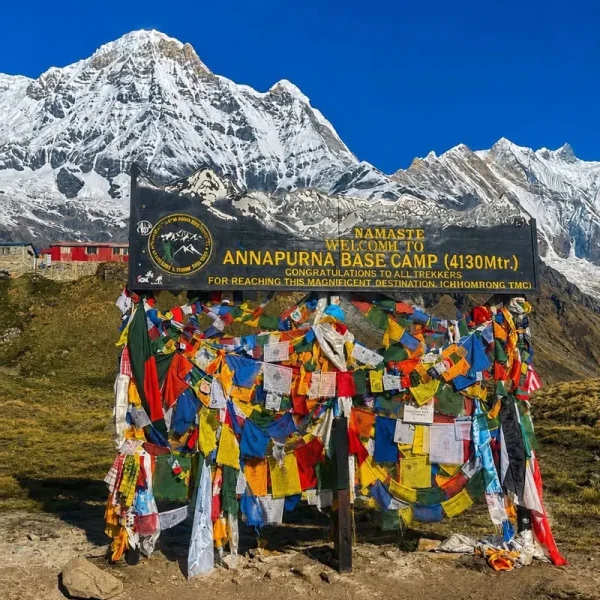
Along the route, you pass through Gurung, Manangi, and Tibetan Buddhist communities. Villages like Chame, Pisang, and Manang have preserved traditional lifestyles for centuries. Monasteries, mani walls, prayer flags, and chortens are constant reminders of the living Himalayan culture surrounding you.
Crossing Thorong La at 5,416m is the defining moment of the trek. The high-altitude crossing rewards trekkers with panoramic views of the Annapurna and Mustang ranges. Furthermore, the descent to Muktinath adds deep spiritual significance to an already extraordinary day.
Nepal Tour Package provides certified, English-speaking mountain guides with in-depth knowledge of the route, altitude management, and local culture. Your safety and comfort remain our top priorities throughout the journey.
Kathmandu is Nepal’s capital and the departure point for virtually all Himalayan trekking expeditions. At 1,400m, it offers a manageable altitude introduction before ascending.
The city blends ancient temples, vibrant street markets, and a thriving trekking industry. Thamel district provides every travel necessity — gear shops, currency exchange, restaurants, and booking agents. Key sights include Boudhanath Stupa, Pashupatinath Temple, and Swayambhunath. Even one night here enriches the overall Nepal experience.
Besisahar serves as the administrative center of Lamjung District and the traditional start of the Annapurna Circuit. It sits in the subtropical lowlands at around 760m. The town marks the beginning of the Marsyangdi River valley corridor that the trek follows northward.
Trekkers collect permits here if not already arranged in Kathmandu. The transition from bus or jeep to foot begins at Besisahar, making it a psychologically important landmark.
Chame is the first significant settlement with proper services on the circuit. Hot springs near Chame offer welcome muscle relief after the long drive and initial walking sections.
At 2,670m, many trekkers feel the first hints of altitude here. The surrounding scenery — pine forests, rushing river, and early Himalayan peaks — signals the genuine mountain journey has begun.
Upper Pisang marks the transition into genuinely high-altitude Himalayan scenery. The ancient monastery perched above the village has been a spiritual centre for local Manangi communities for centuries.
Views of Annapurna II and the broader range are spectacular from here. Upper Pisang is also culturally significant as one of the clearest examples of traditional Tibetan-influenced Himalayan village architecture in the Annapurna region.
Manang is the largest and most developed village on the high section of the circuit. At 3,540m, it sits in a wide glacial valley framed by towering peaks. The Himalayan Rescue Association operates a medical clinic here, providing altitude consultations and emergency care.
The village has teahouses, bakeries, gear shops, and satellite internet. Acclimatization hikes to Ice Lake and Gangapurna Glacier viewpoint are among the best day hikes on the entire circuit.
Standing at 5,416m, Thorong La is the highest point on the Annapurna Circuit and one of the highest trekking passes in the world regularly crossed on foot. Crossing this pass is a rite of passage for serious trekkers.
The views from the summit encompass the Annapurna massif, Dhaulagiri, and the vast Mustang plateau. Weather windows matter — clear mornings are essential, as afternoon clouds and wind regularly reduce visibility.
Muktinath Temple is revered by both Hindus and Tibetan Buddhists, making it one of the most spiritually significant sites in the entire Himalayan region. The sacred flame — fueled by natural gas seeping through the ground — burns continuously inside the temple.
The 108 stone water spouts surrounding the main temple are believed to grant moksha (liberation) to pilgrims who wash beneath them. The combination of pilgrimage and trekking significance makes Muktinath a uniquely powerful destination.
Jomsom sits at the confluence of the Kali Gandaki and Panda Khola rivers in the rain shadow of the Himalayas. Its semi-arid landscape differs dramatically from any other section of the trek.
The town has a small airport with flights to Pokhara, a bustling bazaar, and some of Nepal’s finest apple brandy and dried fruit products. Jomsom is also the gateway to Upper Mustang, a restricted region with extraordinary Tibetan cultural heritage.
Pokhara needs no introduction to serious trekkers. This lakeside city at 820m is Nepal’s premier adventure and relaxation destination. The Fishtail (Machhapuchhre) and Annapurna South tower directly above the lake on clear days.
Lakeside restaurants, rooftop cafes, massage centers, and boat rides on Phewa Lake make Pokhara the ideal place to decompress after 11 days of demanding trekking. Most travelers spend at least two extra nights here before returning to Kathmandu.
Your journey begins with arrival at Tribhuvan International Airport in Kathmandu. A representative from Nepal Tour Package will greet you and transfer you to your hotel in the Thamel district.
Use this first day to rest, acclimatize, and explore Thamel’s lively streets. Your guide will conduct a pre-trek briefing covering route details, permit arrangements, altitude safety, and packing essentials. Gather any last-minute trekking gear at Thamel’s well-stocked outdoor shops. Overnight in Kathmandu.
Depart early by private jeep or tourist bus for Besisahar, the traditional gateway to the Annapurna Circuit. The drive covers roughly 175km and takes 6–8 hours through hilly roads and river valleys.
From Besisahar, continue driving along the Marsyangdi River valley to Chame, the administrative headquarters of Manang District. Along the way, notice the dramatic shift from lowland farmland to pine-forested mountain terrain. The first views of the Himalayan ridgeline begin to appear. Overnight in a tea house in Chame.
Today’s trek follows the Marsyangdi River valley through thick pine and fir forests. The trail passes several apple orchards, local villages, and the impressive curved rock face known locally as a natural wall beside the trail near Chame.
As you gain altitude, the first clear views of Annapurna II (7,937m) and Lamjung Himal dominate the skyline. Upper Pisang sits at a higher elevation than Lower Pisang and offers significantly better mountain views. An ancient monastery above the village is worth a short detour. Overnight in Upper Pisang.
Two trail options exist from Pisang. The high route via Ghyaru and Ngawal is strongly recommended. It traverses a ridge above 3,500m and delivers continuous close-range views of Annapurna III, Gangapurna, and Pisang Peak.
Ghyaru village has well-preserved traditional Tibetan-style architecture and a gompa worth visiting. Afterward, continue along the high ridge to Ngawal, a quieter village with fewer trekkers. The relative solitude here enhances the sense of mountain wilderness. Overnight in Ngawal.
The trail descends slightly from Ngawal and crosses into the broad, open Manang Valley. The landscape changes noticeably here — vegetation becomes sparse, and the terrain begins resembling the high Tibetan plateau.
Manang is the largest settlement on the circuit before Thorong La and serves as the primary acclimatization base. Spend the afternoon exploring the market area, visiting the local monastery, or attending a free altitude medicine lecture hosted by the Himalayan Rescue Association (HRA) clinic. Overnight in Manang.
This rest day is not optional — it is essential. Proper acclimatization dramatically reduces the risk of altitude sickness on the challenging days ahead.
Rather than resting completely, take a gradual acclimatization hike to Ice Lake (4,600m) or Gangapurna Lake. Both offer stunning glacier and peak views, and the exertion helps your body adapt. Return to Manang to sleep at the lower altitude. Use this day to rehydrate thoroughly, eat well, and review your gear. Overnight in Manang.
Leaving Manang, the trail climbs steadily into true high-altitude terrain. The vegetation thins to scrub grasses and dwarf juniper. Yak Kharka — which literally means “yak pasture” — sits at 4,050m amid open grazing lands.
Keep an eye out for blue sheep (bharal) on the rocky slopes above the trail. The pace must stay slow and deliberate at this altitude. Drink at least 3–4 liters of water daily from this point onward. Overnight in basic but comfortable tea house accommodation at Yak Kharka.
Today’s stage is short in distance but significant in elevation gain. The trail climbs steeply above the treeline into a barren, windswept landscape. Thorong High Camp sits just below the final ascent to the pass.
Arrive early in the afternoon to allow maximum rest before the crucial summit day. Eat a high-carbohydrate dinner, drink plenty of water, and prepare all gear for an early morning departure. Set alarms for 3:00–4:00 AM. Wind and temperature drop sharply at night here. Overnight at Thorong High Camp.
This is the most demanding and most rewarding day of the entire Annapurna Circuit Trek. Depart before dawn to avoid afternoon wind and whiteout conditions at the pass.
The ascent to Thorong La (5,416m) takes 3–4 hours of steep, rocky climbing in cold, thin air. Trekkers often report the last 200 meters as particularly grueling. However, the summit rewards every step — 360-degree views span the Annapurna range, Dhaulagiri, and the Mustang plateau.
The descent to Muktinath covers 1,600 meters and takes 3–4 additional hours. Muktinath Temple awaits at the bottom — one of the most sacred sites in both Hindu and Buddhist traditions. The temple complex includes 108 sacred water spouts and the famous flame fed by natural gas. Overnight in Muktinath.
After the intensity of Day 9, today’s walk feels like a genuine reward. The trail descends through the arid Mustang landscape — dramatic, Mars-like terrain of eroded ochre cliffs and dry river canyons.
Jomsom is the regional hub of Upper Mustang and connects to Pokhara by daily flights. The town has good restaurants, reliable internet, and a range of accommodation. Celebrate the near-completion of the trek with a proper meal. Overnight in Jomsom.
The final leg brings you back to civilization. Travel from Jomsom to Pokhara either by jeep along the scenic Kali Gandaki valley road or, if available and preferred, by a short mountain flight.
Pokhara lies beside the stunning Phewa Lake with direct Annapurna and Machhapuchhre views. Use the afternoon to rest, enjoy lakeside dining, or reflect on the extraordinary journey you have completed. The trek concludes here, with onward connections available to Kathmandu.
| Season | Months | Weather | Trekking Suitability | Experience Notes |
|---|---|---|---|---|
| Spring | March–May | Clear skies, warming temps, rhododendron bloom | ★★★★★ Excellent | Best visibility, colorful flora, moderate temperatures |
| Summer/Monsoon | June–August | Heavy rain, leeches below 3,000m, cloud cover | ★★ Difficult | Trail erosion, poor views, some higher sections remain passable |
| Autumn | September–November | Crystal clear skies, dry trails, cool nights | ★★★★★ Excellent | The most popular season; best overall conditions |
| Winter | December–February | Cold at altitude, possible snow on pass | ★★★ Moderate | Thorong La may close; quiet trails, low tea house prices |
Recommendation: October and November offer the most reliable pass conditions, the clearest mountain views, and the best overall trekking experience. March and April are close second choices, with the added bonus of rhododendron forests in full bloom below 3,500m.
The journey from Kathmandu to Chame involves a long overland transfer of 7–9 hours. Nepal Tour Package arranges a private jeep for this section, ensuring more comfort and flexibility than public buses.
Road conditions improve steadily but still include rough sections, especially after the monsoon season. The scenery along the Marsyangdi River valley is dramatic and worth the long drive.
The trekking route follows well-established trails through the Annapurna Conservation Area. Trail markings are generally reliable, though a guide remains essential for navigation, safety, and cultural connection.
Total trekking distance across the 8 walking days is approximately 95–110km, depending on route variations taken.
The return from Jomsom to Pokhara offers two choices:
Nepal Tour Package can arrange either option based on your preference and budget.
In Kathmandu and Pokhara, trekkers stay in clean, comfortable standard hotels with private bathrooms, hot showers, Wi-Fi, and daily breakfast service. Room quality is reliable and consistent with international two to three-star standards.
Tea house accommodation on the Annapurna Circuit varies by altitude and location. Lower and more popular sections (Pisang, Manang) offer well-developed lodges with attached bathrooms, electricity, and charging facilities.
Higher sections (Yak Kharka, Thorong High Camp) offer more basic rooms with shared squat toilets and limited electricity. At these altitudes, hot showers may be bucket-based or solar-heated.
Blankets are provided at all tea houses, but a quality sleeping bag rated to at least -10°C is strongly recommended for nights above 4,000m. Wi-Fi and phone signal are available at most settlements up to Manang but become unreliable above that point.
The Annapurna Circuit is well-served by tea house restaurants serving a mix of Nepali, Tibetan, and international dishes. The standard menu across tea houses is relatively consistent and is sometimes called the “trekkers’ menu.”
Common trekking meals include:
Vegetarian options are plentiful throughout the circuit. Most tea house menus offer entirely plant-based meals by default. Vegan trekkers should note that dairy (yak butter tea, cheese) features heavily in the local diet and is often used in cooking.
Breakfast is included in the package cost daily. Lunch and dinner are at your own expense. Budget approximately USD 5–10 per meal at most tea houses, with prices rising slightly at higher altitudes.
The Annapurna Circuit Trek is classified as challenging. However, it is entirely achievable for fit adults without prior technical climbing experience. The challenge comes primarily from sustained altitude gain, cumulative daily distance, and the demands of the Thorong La crossing.
Trekkers should begin cardiovascular training (running, cycling, hiking) at least 8–12 weeks before departure. Practice stair climbing with a loaded pack for the closest simulation of trekking demands. Yoga or stretching for flexibility helps with joint management on descents.
The Annapurna Circuit Trek is classified as challenging. However, it is entirely achievable for fit adults without prior technical climbing experience. The challenge comes primarily from sustained altitude gain, cumulative daily distance, and the demands of the Thorong La crossing.
Trekkers should begin cardiovascular training (running, cycling, hiking) at least 8–12 weeks before departure. Practice stair climbing with a loaded pack for the closest simulation of trekking demands. Yoga or stretching for flexibility helps with joint management on descents.
The Annapurna Circuit is a bucket-list objective for serious trekkers worldwide. Crossing Thorong La, spending nights at 4,850m, and navigating the Mustang plateau are all deeply rewarding achievements. This trek delivers exactly the depth and challenge that experienced mountain walkers seek.
The Annapurna Circuit is well-suited for solo trekkers. The well-marked trail, the social atmosphere of tea houses, and the consistent flow of fellow trekkers make it one of the friendliest solo routes in the Himalayas. A guide from Nepal Tour Package adds both safety and local cultural connection.
For travelers drawn to living Himalayan culture, this route is extraordinary. Gurung villages in the lower valleys, Tibetan Buddhist communities around Manang, and Hindu pilgrimage at Muktinath represent three distinct traditions within a single journey.
The photographic opportunities on this route are exceptional. The high-route above Pisang, sunrise over Annapurna III from Manang, the pre-dawn ascent of Thorong La, and the surreal Mustang landscape near Jomsom are among Nepal’s most photographed trekking scenes.
Muktinath Temple is one of the most sacred Hindu and Buddhist sites in the world. Reaching it on foot after crossing the Himalayas amplifies its spiritual resonance dramatically. Many trekkers report the final descent into Muktinath as one of the most moving experiences of their lives.
Age is not a barrier on the Annapurna Circuit, but fitness is. Trekkers in their 50s, 60s, and even 70s complete this route regularly. Proper preparation, a good guide, porter support, and respect for acclimatization protocols make it manageable for older, fit adults.
Two permits are mandatory for all trekkers on the Annapurna Circuit:
1. Annapurna Conservation Area Permit (ACAP) Cost: NPR 3,000 per person (~USD 22) This permit funds conservation and infrastructure within the Annapurna Conservation Area. It is issued by the National Trust for Nature Conservation (NTNC).
2. Trekkers’ Information Management System Card (TIMS) Cost: NPR 2,000 per person (~USD 15) for organized trekkers The TIMS card registers your trekking details for safety purposes and is managed by the Trekking Agencies’ Association of Nepal (TAAN).
Both permits are arranged by Nepal Tour Package before the trek begins. Always carry original permits — checkpoints verify them at multiple points along the route.
There may be occasions when you find yourself needing to cancel your trip due to an emergency or other unforeseen circumstances. In such cases,

1-3 Person

4-6 Person

3-5 Person

7-12 Person

13-18 Person

19-30 Person

Crossing Thorong La at sunrise was the most powerful moment of my life. Nepal Tour Package handled everything perfectly — permits, accommodation, and an outstanding guide named Bimalendra who went above and beyond throughout the trek. The pacing was ideal, and the acclimatization day in Manang made all the difference on pass day. Tea houses were simple but warm and welcoming. Muktinath left me speechless. Truly a life-changing experience. I will absolutely book with Nepal Tour Package again.